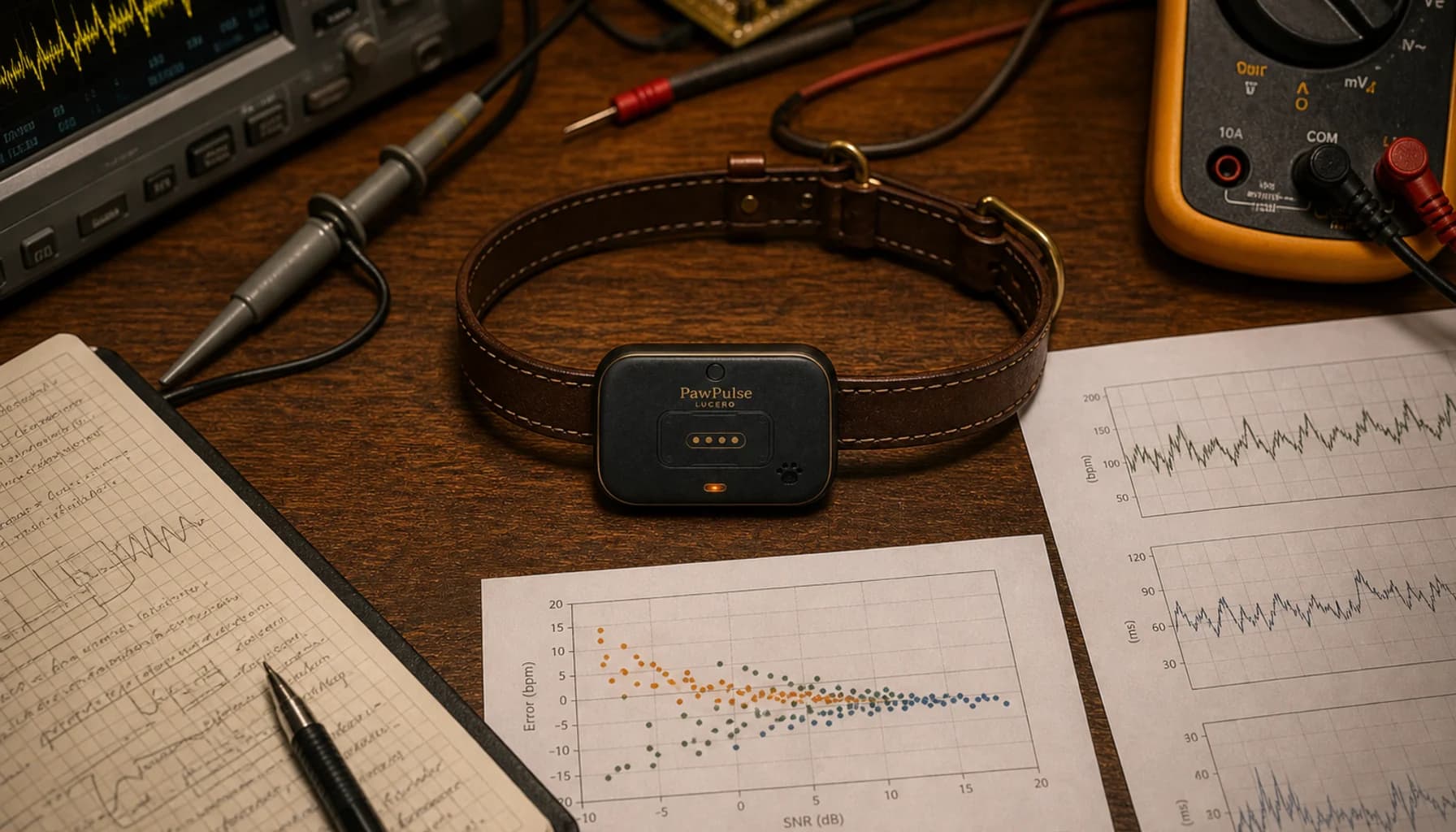
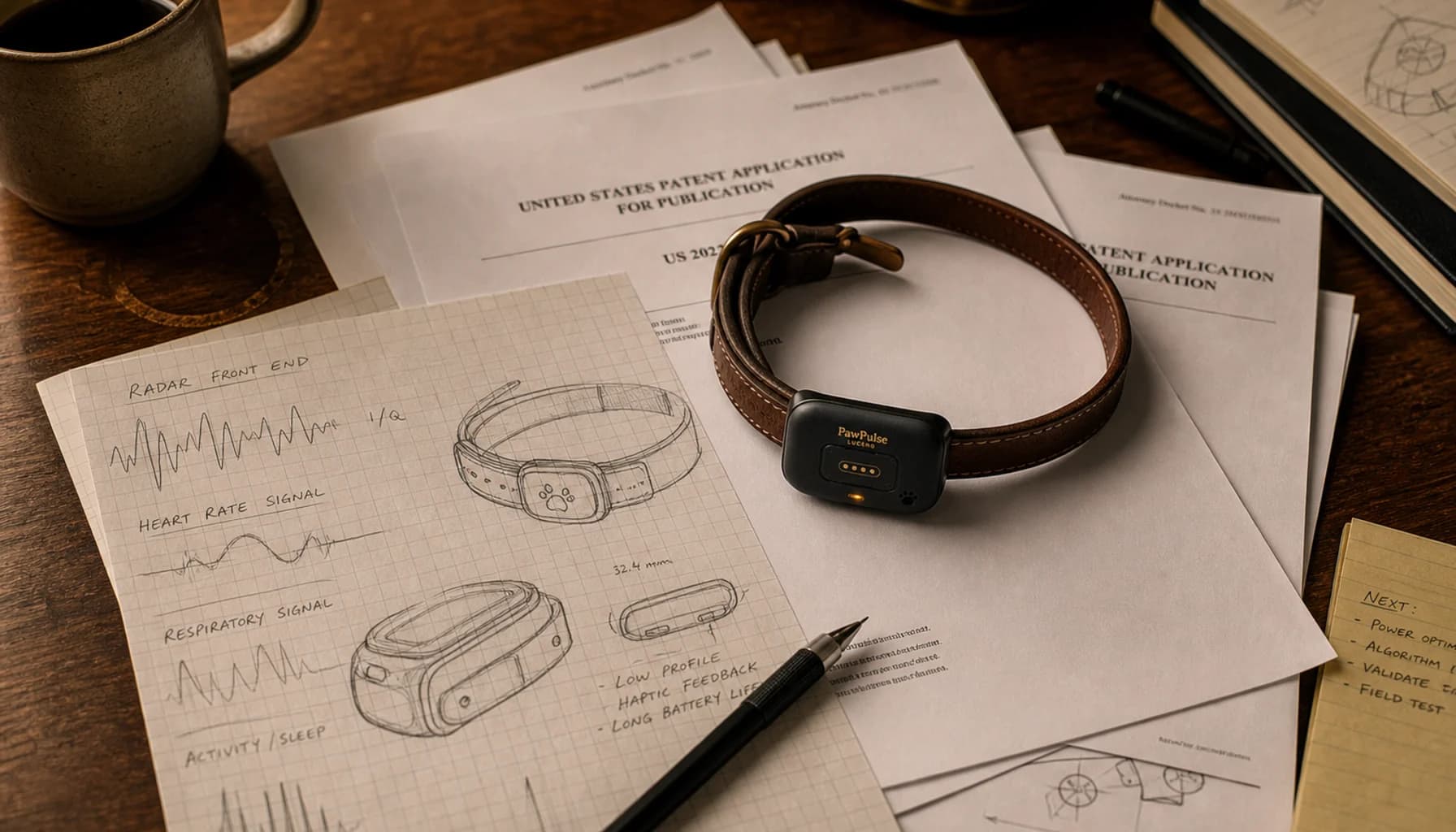
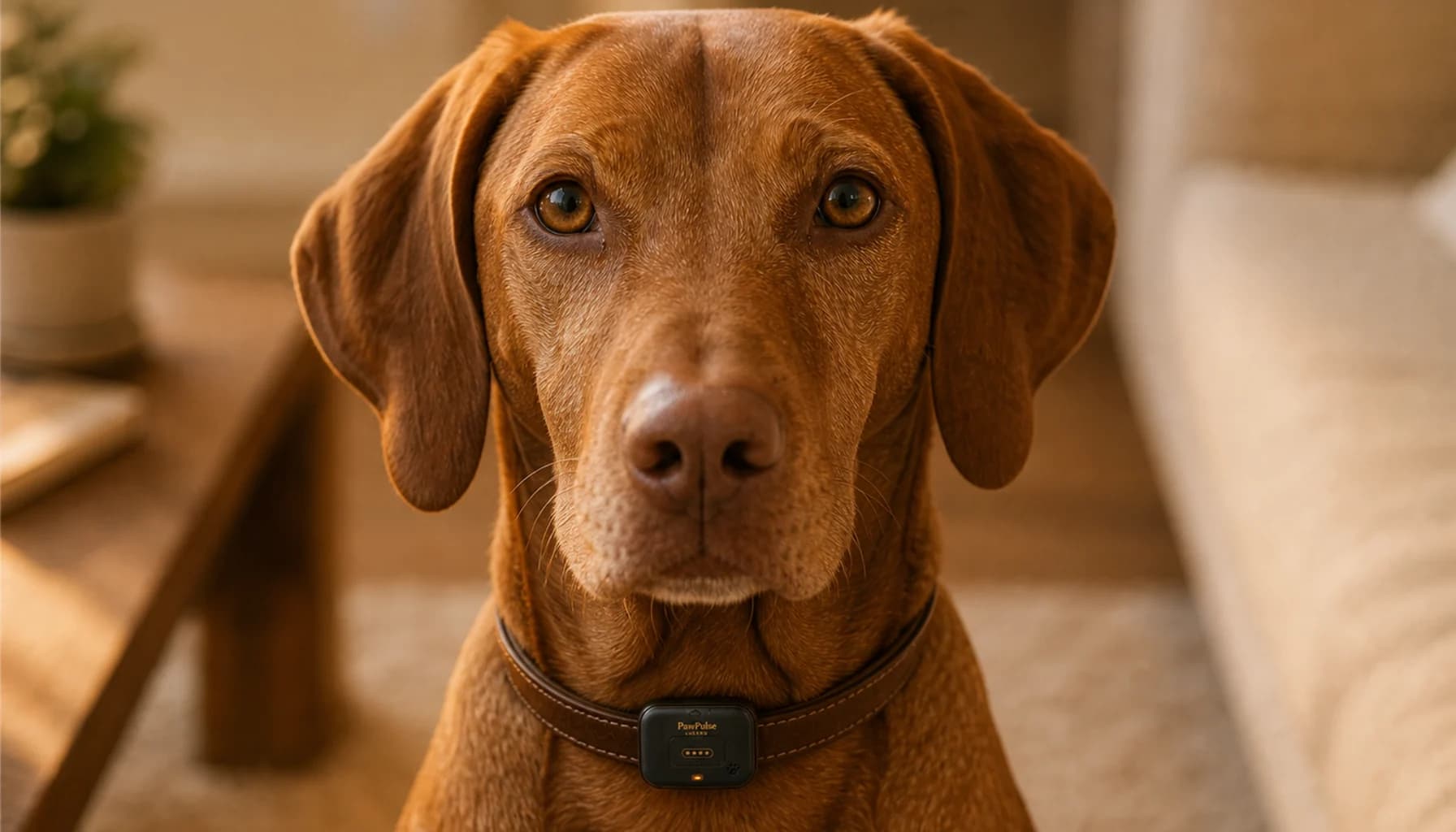
This archive collects everything PawPulse has written about the technology inside the Lucero collar and the software that reads it. Contactless radar sensing picks up heart rate, heart rate variability, and respiration through fur without shaving, gel, or a chest strap. A six-axis inertial unit watches activity, gait, and posture. An electronic nose samples volatile organic compounds and temperature, an air-quality sensor adds environmental context, and an audio channel listens for vocalization patterns. None of that matters on its own; what matters is what the model does with it.
Prism Insights is the layer that turns those raw streams into something an owner can read. It learns what normal looks like for one specific dog, adjusted for breed, size, and age, then surfaces the moments that sit outside that pattern. The posts below cover how baselines are learned, why transparency about sensor accuracy matters more than a spec sheet, what satellite-ready backup actually changes when LTE drops out, and where the honest limits of a wearable sit. PawPulse writes about insights and patterns, never diagnosis.
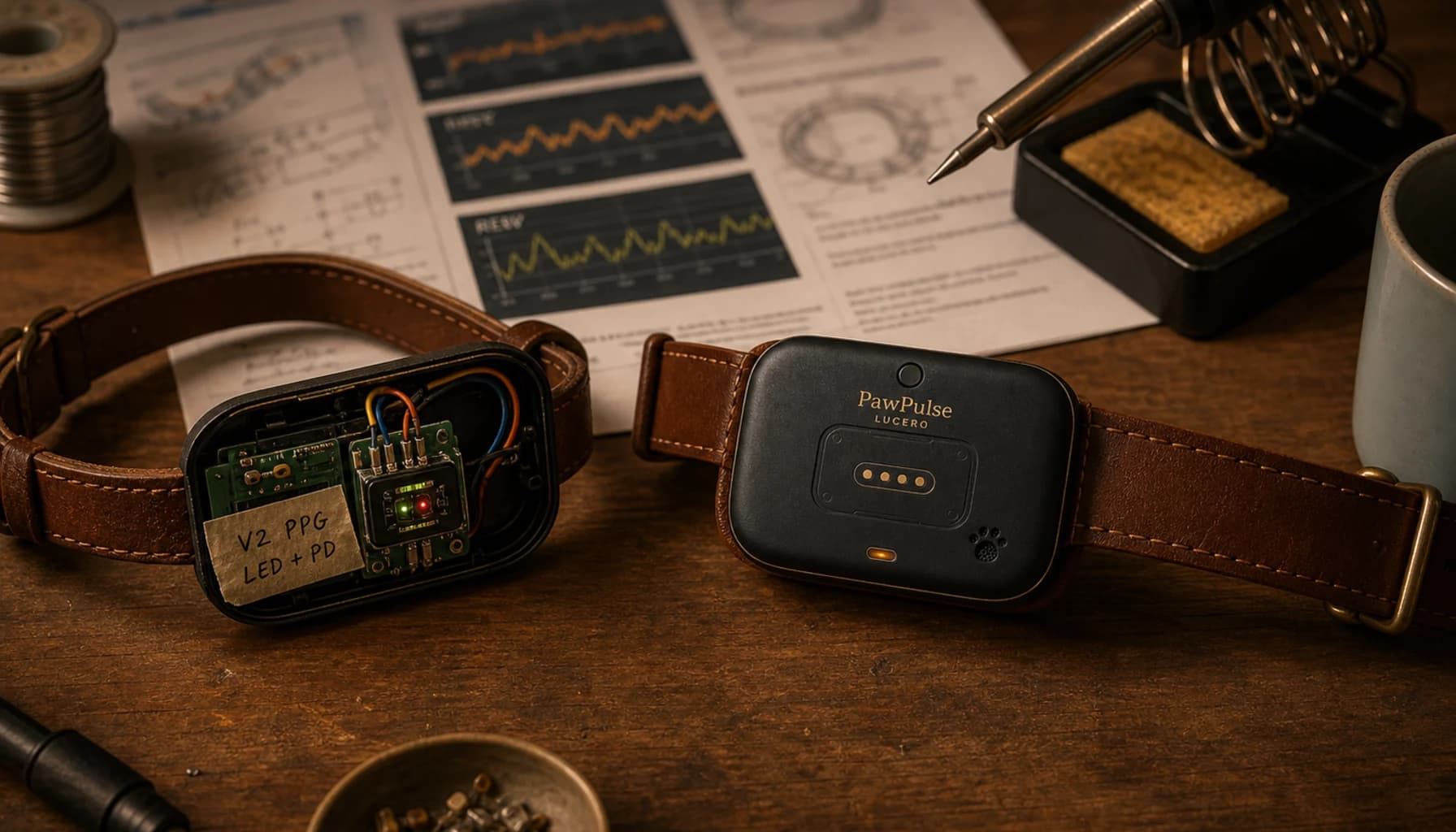
We tested PPG optical sensors for months. They failed on 70% of dogs and nearly all cats. Here is why we scrapped them and built a radar-based collar instead.
Short answers to the questions readers ask most about this topic. PawPulse is a consumer wellness product and does not diagnose, treat, or predict illness.
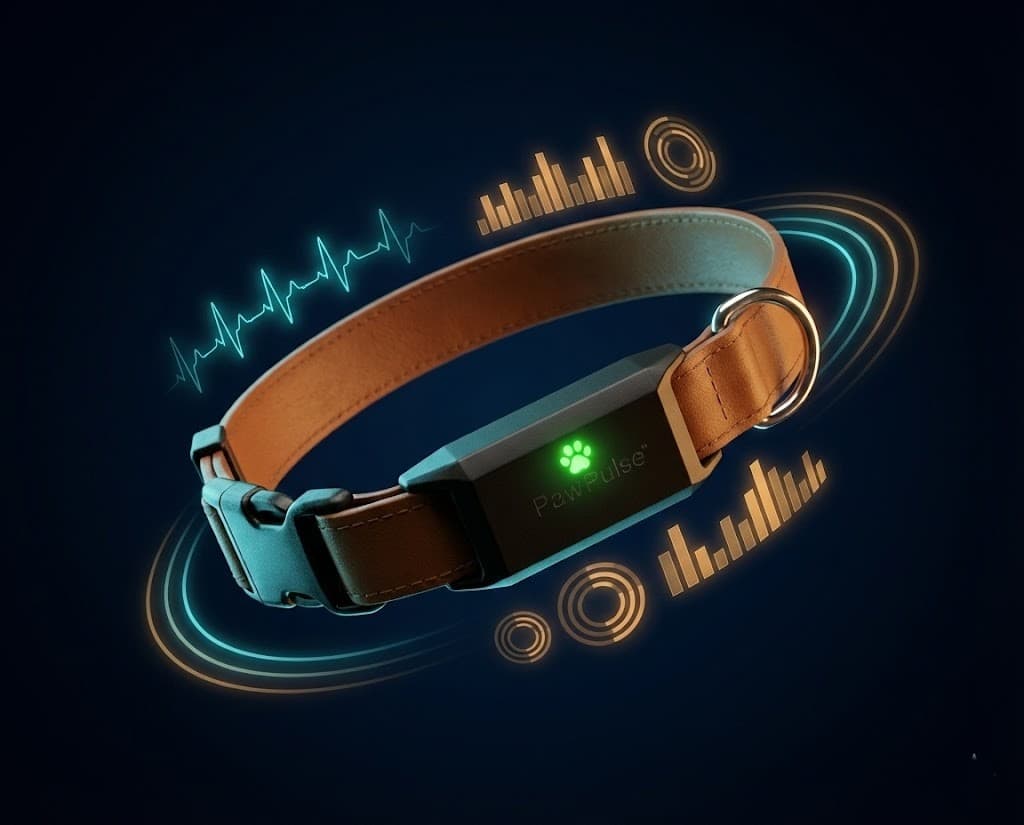
Lucero pairs contactless radar sensing, which reads heart rate, heart rate variability, and respiration through fur, with a six-axis inertial measurement unit for activity, gait, and posture, an electronic nose for volatile organic compounds and temperature, an air-quality sensor, an audio channel for vocalization analysis, and GPS with LTE plus satellite-ready backup.
Prism Insights learns a breed-aware baseline for each individual dog, then compares live sensor readings against that baseline. Rather than firing on a single high reading, it looks for patterns that persist across hours and days, which is what makes a change worth telling an owner about instead of noise.
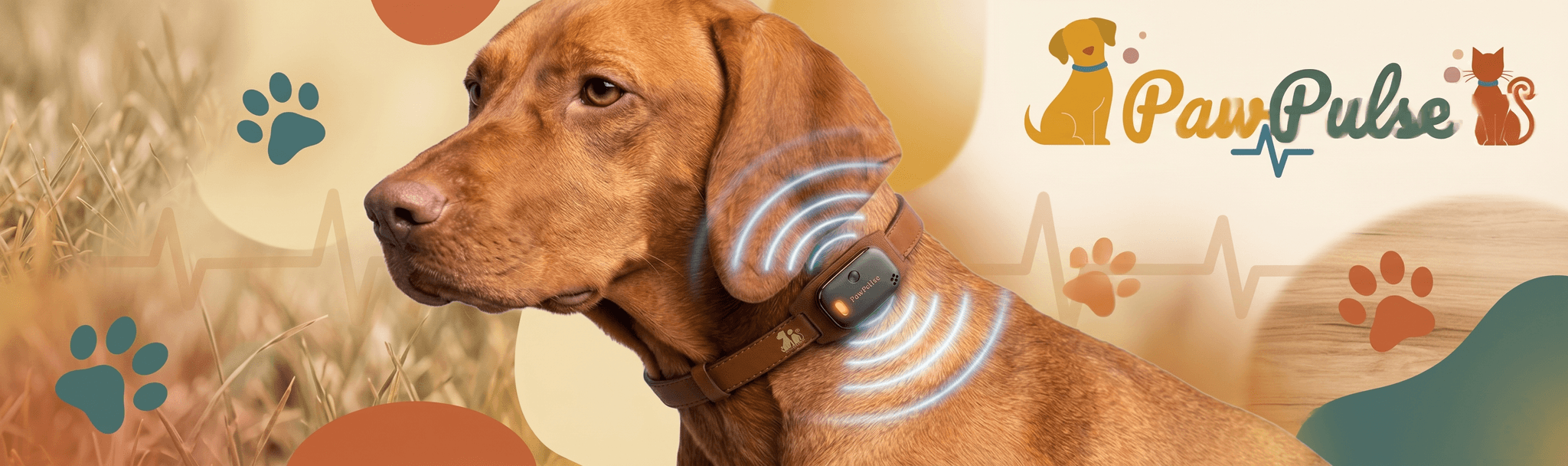
Yes. Radar is a contactless technique, so it does not depend on skin contact the way an optical sensor does. That is the reason PawPulse chose it as the sole biometric sensor: dense double coats defeat most light-based approaches, and shaving a patch of fur is not something owners should have to do.
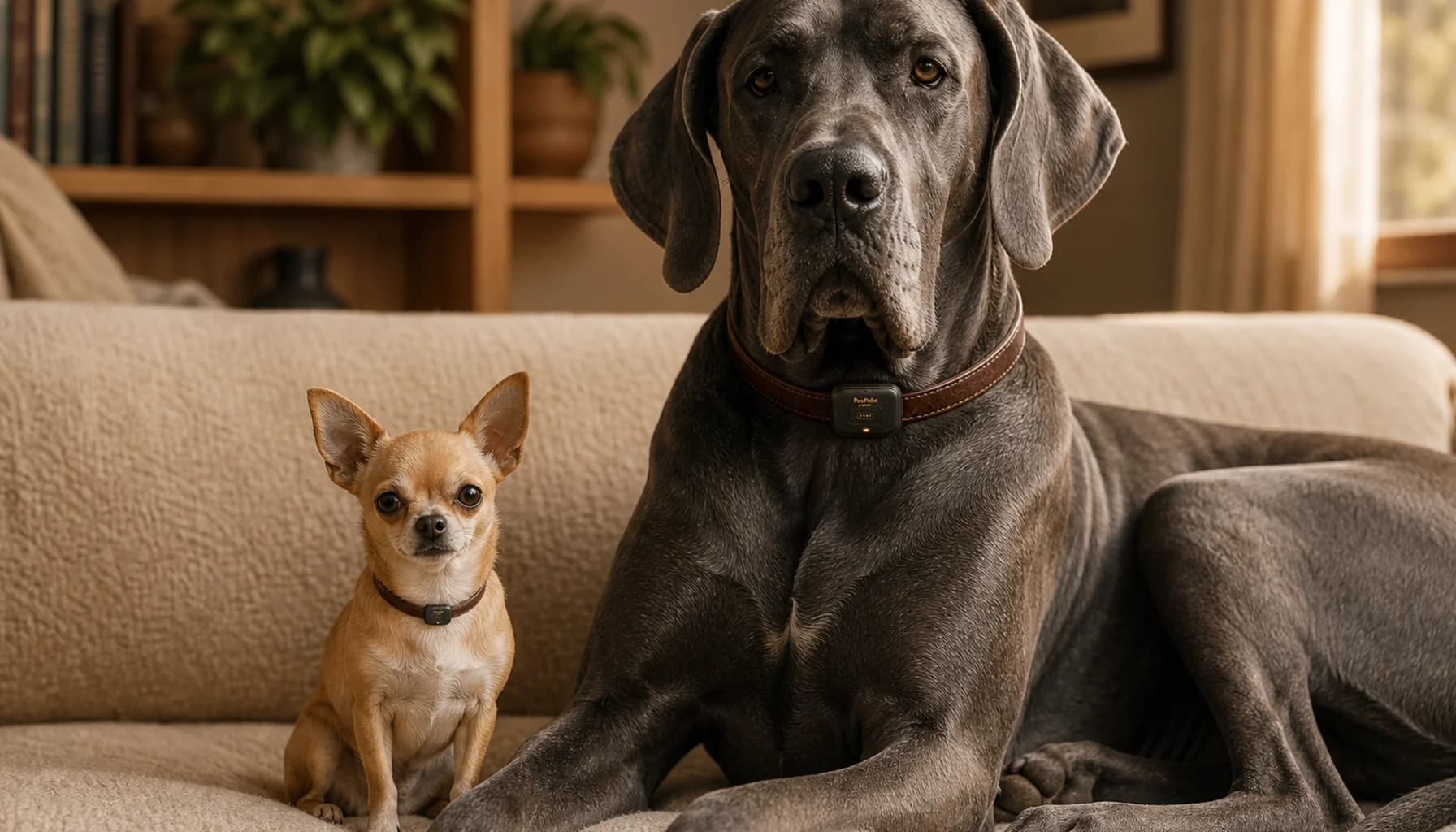
It is. A resting respiration figure that is ordinary for a greyhound can be unusual for a bulldog, and a puppy sits nowhere near an eleven-year-old. A baseline built around breed, size, and age gives a far more useful comparison than a single population average applied to every dog on the market.
No. PawPulse is a consumer wellness product. It surfaces patterns and changes in everyday signals so owners can notice something sooner and bring real data to a conversation with their veterinarian. It does not diagnose, treat, or predict illness, and it is not a substitute for professional care.