
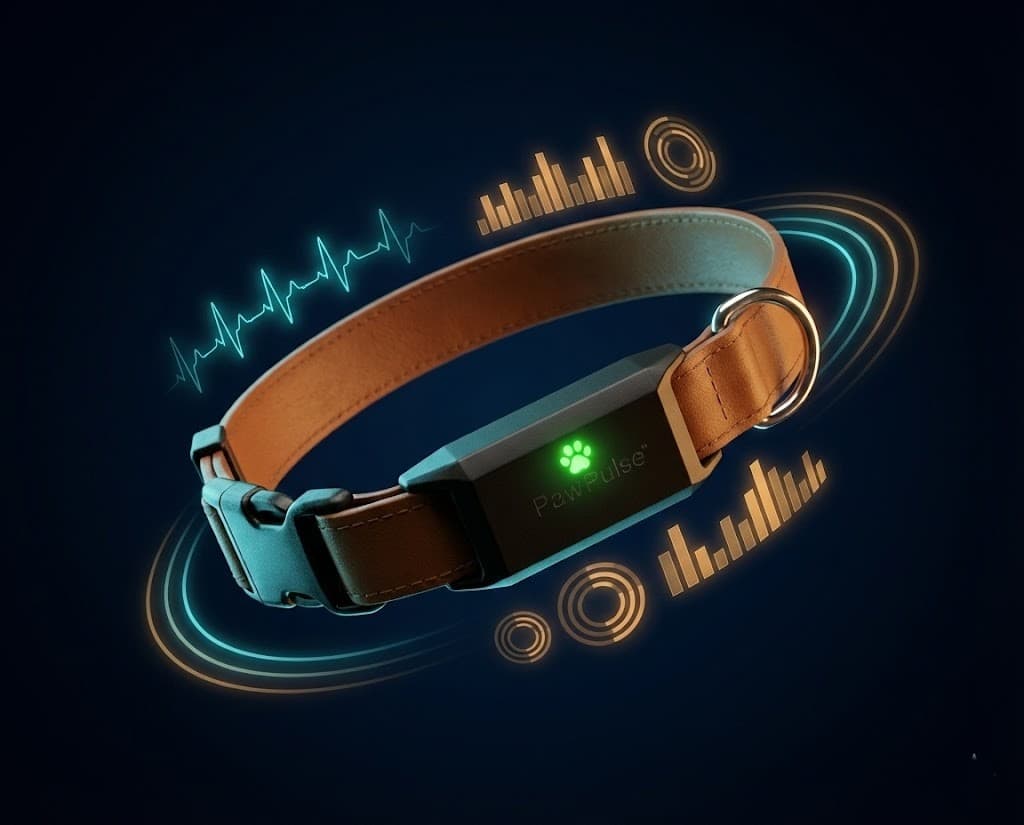
Key takeaway: CES 2026 confirmed smart collars are becoming core to pet health, but most devices still count steps rather than understand physiology. The next generation of pet wearables will be judged on three criteria: sensing that works through fur, AI that interprets context, and intervention that treats problems instead of just reporting them.
CES 2026 marked a turning point for the pet technology industry. Smart collars, AI pet tracking, and health-focused wearables were no longer fringe ideas. They were front and center. The message was clear: pet tech is growing up.
For owners, this is encouraging. Dogs are family, and the demand for better tools to understand their health and wellbeing has never been stronger.
But CES also revealed something else. While smart dog collars are getting more sophisticated on the surface, most pet health technology still struggles to deliver what matters most: meaningful, early insight into a dog's health, and the ability to actually do something about it.
The industry is moving fast. But it is not always moving deep.
CES 2026 Confirmed Smart Dog Collars Are Here to Stay
Across CES 2026, pet technology companies showcased a familiar set of promises:
- More accurate GPS tracking
- AI-driven activity summaries
- Improved battery life
- Sleeker smart collar designs
- Broader health monitoring claims
This wave of innovation validates what owners already believe. Technology can and should play a role in preventative dog care.
According to the American Pet Products Association, U.S. owners spent over $147 billion on their pets in 2023, with health-related products and services representing the fastest-growing category. Wearables are leading that charge.
CES confirmed demand. But demand alone does not equal readiness.
The Core Problem With Most Smart Collars
Despite the buzz, many smart dog collars showcased at CES 2026 share the same foundational weaknesses.
Data Without Context
Most collars collect large volumes of data but lack the intelligence to interpret it properly. Daily step counts, generic activity scores, or average heart rate values may look impressive, but they often fail to answer the most important question: is something wrong?
Here is the problem. A heart rate of 150 beats per minute could mean your dog is happily chasing a ball at the park. Or it could mean your dog is lying on the couch, trembling with anxiety while you are at work.
Without understanding what the dog is doing when that heart rate was recorded, the number is meaningless. Dogs vary widely by breed, age, size, and temperament. Without a personalized baseline and real-time context, data becomes noise.
Reactive Instead of Preventative
Many pet tech products are designed to summarize the past rather than protect the future. They tell owners what happened yesterday, not what might happen tomorrow.
Veterinary research consistently shows that early physiological changes precede visible symptoms by days or even weeks. A systematic review in Frontiers in Veterinary Science documented that altered heart rate variability, disrupted rest cycles, and immune-system shifts appear well before clinical symptoms are visible. A separate review published in Animals (MDPI) found that behavioral changes precede visible pain in roughly one-third of referred canine cases.
Smart collars that only react after behavior changes miss the most critical intervention window.
Why "AI" in Pet Tech Often Falls Short
CES 2026 leaned heavily on artificial intelligence branding. Nearly every booth used the term. But AI is only as good as the signals it analyzes. When input data is shallow, outputs are limited.
True AI-driven pet health monitoring requires more than pattern recognition across steps and sleep. It requires deep biometric sensing, long-term trend learning, and the ability to distinguish between normal variation and genuine warning signs.
Here is something most pet tech companies do not talk about: fur defeats most health sensors.
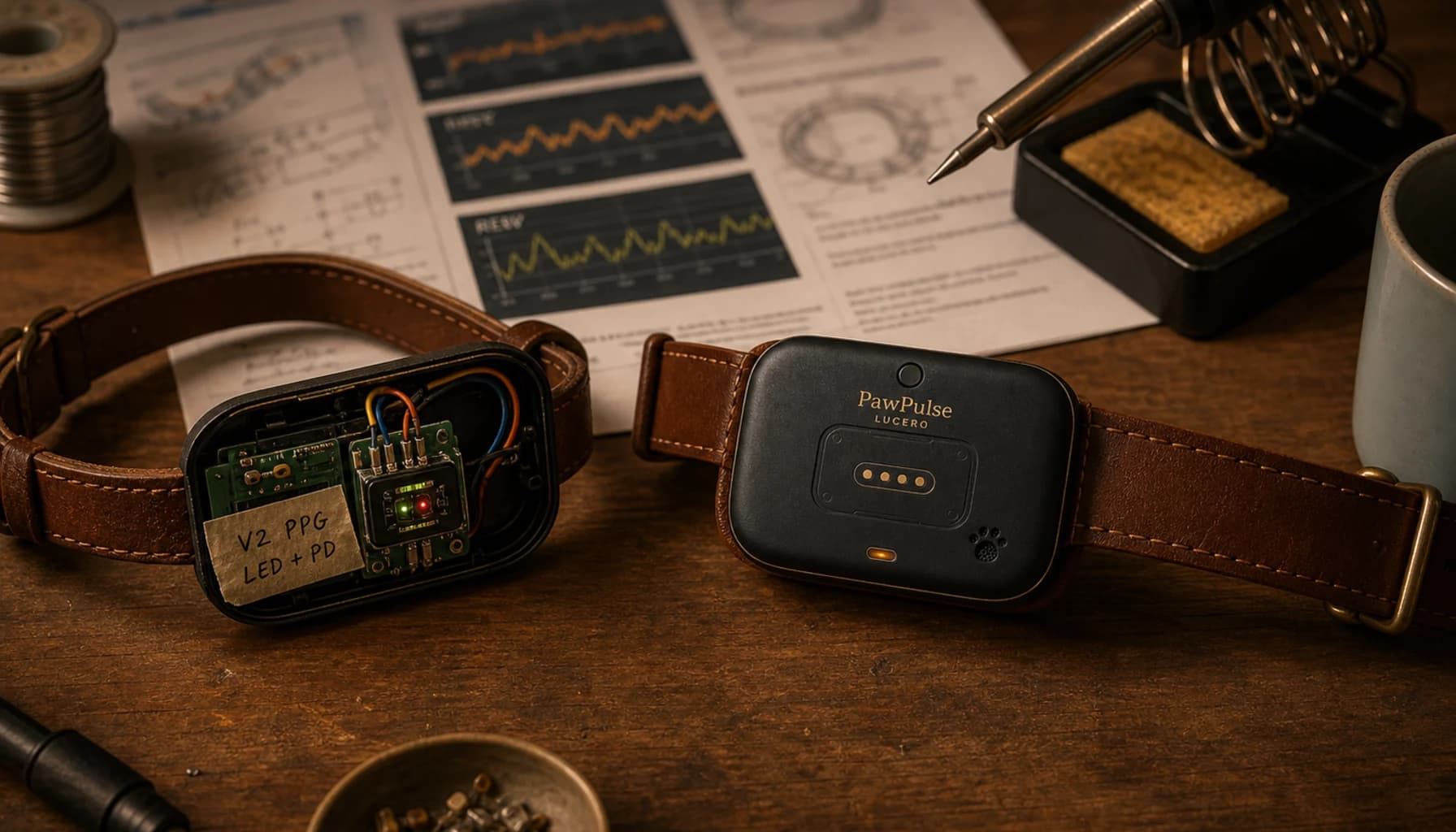
If you wear a smartwatch, you are likely familiar with the little green lights on the back. These are optical sensors, called photoplethysmography or PPG, that shine light into your skin to measure blood flow and heart rate. They work great on humans because we have relatively hairless wrists.
But for dogs? Fur is a barrier. Those green lights cannot penetrate a thick double coat to get an accurate reading. This is why so many "health" collars on the market act more like glorified pedometers. They count steps, but they cannot tell you how the dog is actually feeling inside.
At PawPulse, we recognized this fundamental limitation early. Instead of fighting fur with light, we are building with radar.
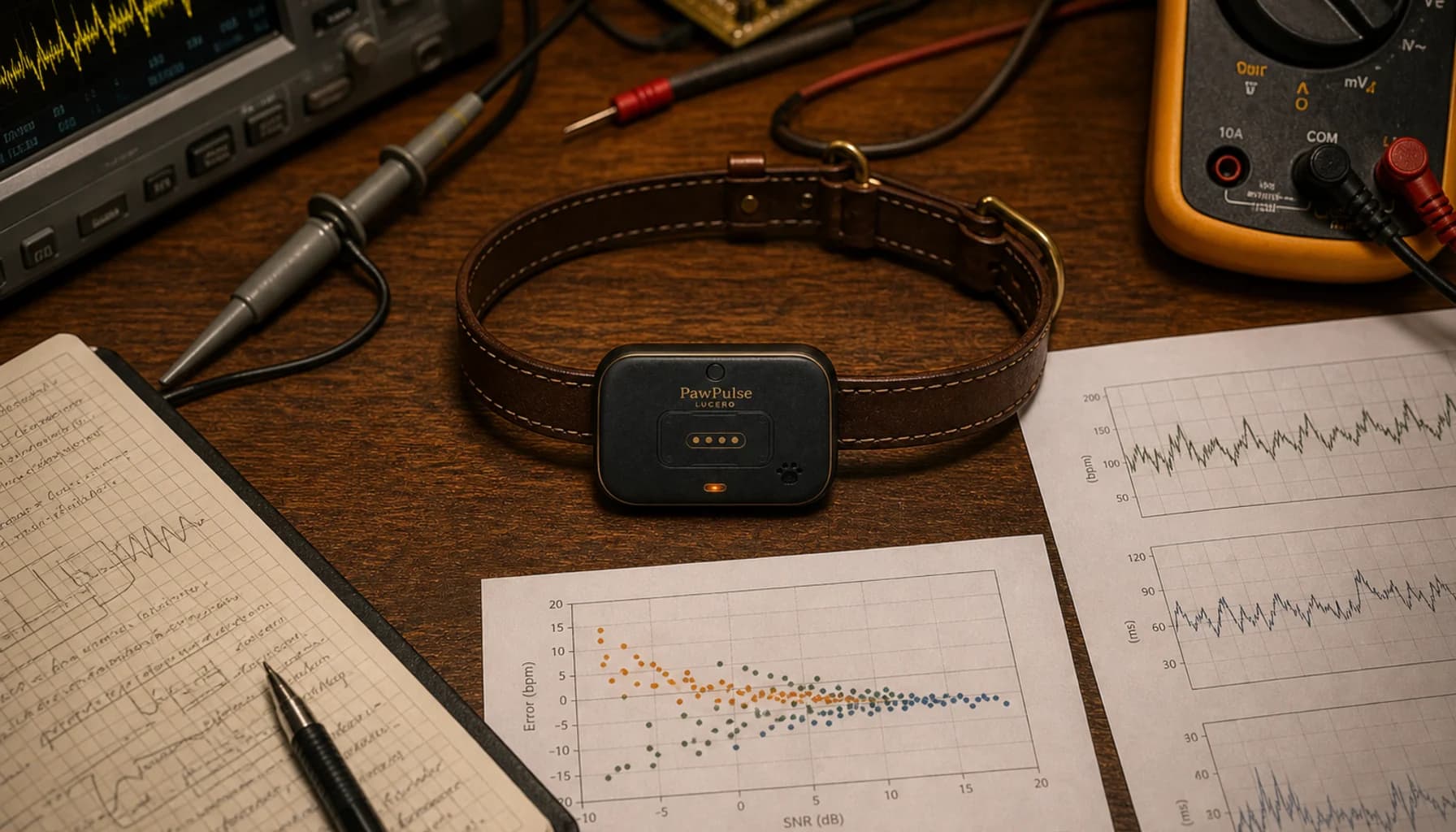
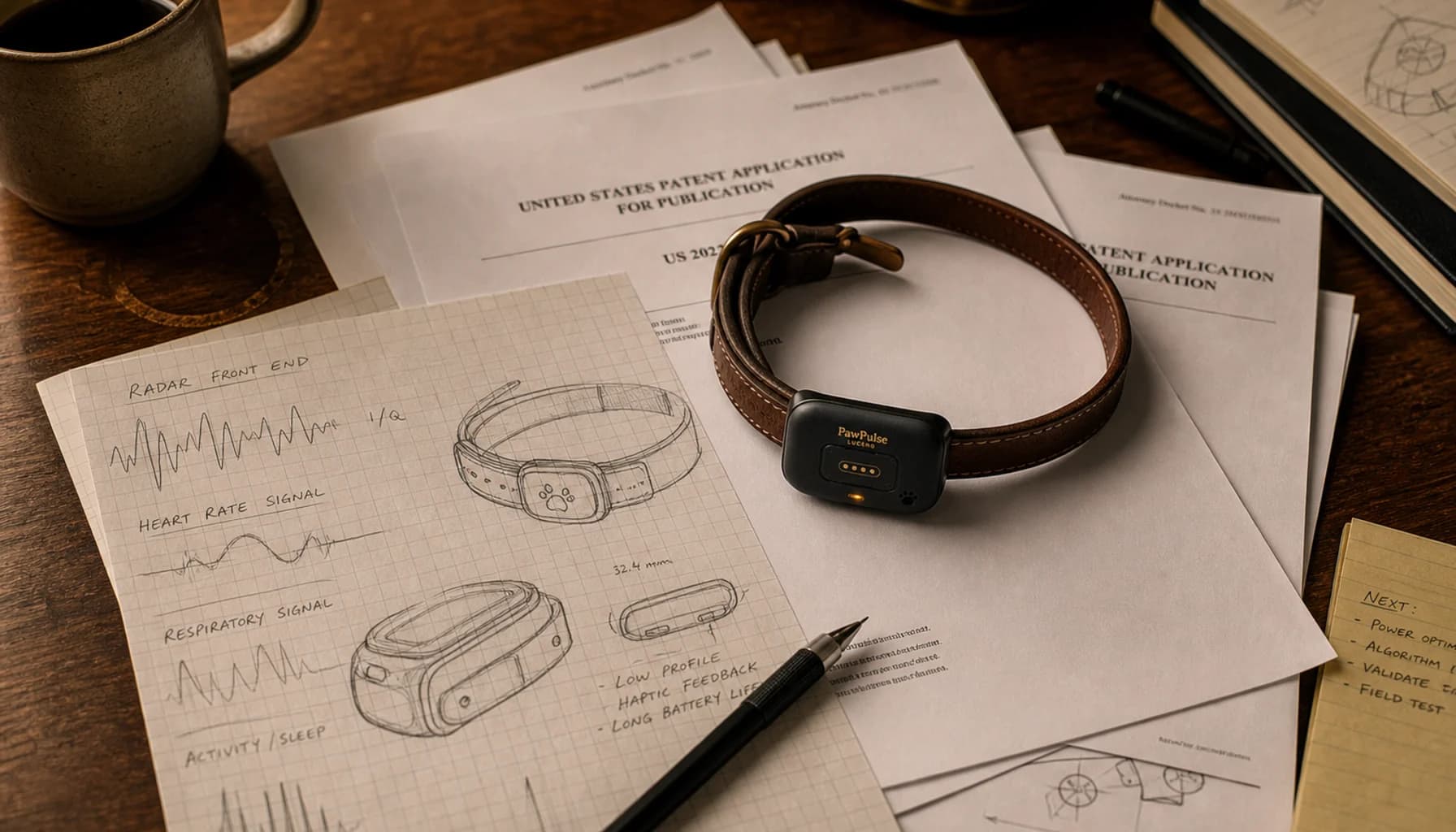
Our device uses advanced radar health technology to read the tiny chest movements created by each heartbeat and breath. When your dog's heart beats or their lungs expand, their chest wall moves by minute fractions of a millimeter, sometimes as little as 0.1mm. While that is invisible to the naked eye, radar sees these micro-movements clearly. It passes through fur, skin, and even the thickest double coat as if they were not there.
This will allow PawPulse to capture professional-grade biometrics, specifically heart rate and respiration, without ever needing to shave a patch of fur or make the collar uncomfortably tight.
What CES 2026 Still Missed About Dog Health
Beyond the technical limitations, CES 2026 revealed deeper gaps in how the industry thinks about dog health monitoring.
Emotional and Physiological Stress
One of the most important gaps in pet tech today is the ability to detect stress and internal strain.
Dogs are exceptionally good at hiding discomfort. Anxiety, inflammation, illness, and overexertion often begin silently. By the time symptoms become obvious, the problem may already be advanced.
A 2020 study in Frontiers in Veterinary Science emphasized that chronic stress has measurable physiological effects, including altered heart rate variability, disrupted rest cycles, and compromised immune response. Separation anxiety alone affects an estimated 20-40% of dogs, yet most owners never know their dog spent eight hours in a state of high cortisol stress while they were at work.
Most smart collars are not designed to recognize these subtle signals early or consistently.
Why Anxiety and Chronic Stress Go Undetected
At PawPulse, we are building what we call "sensor fusion" to solve this exact problem. Our collar will not just measure heart rate. It will simultaneously ask two questions:
- What is the body doing? (Is the dog running, sleeping, or pacing?)
- What is the heart doing? (Is the rate high, low, or erratic?)
When the collar detects that movement is zero, the dog is lying still, but the heart rate is climbing rapidly, the system will flag it as a potential anxiety event or pain response. Conversely, if movement is high and the heart rate matches, the system logs it as healthy exercise.
By filtering out the noise, PawPulse will transform raw data into actionable intelligence. You will not get a confusing graph. You will get a notification saying "Loki seems anxious," allowing you to intervene before chronic stress takes a toll.
This is the difference between AI pet tracking that counts steps and AI that actually understands your dog.
Treatment Versus Tracking
Here is the question nobody at CES 2026 was asking: What happens after you detect a problem?
Most pet technology stops at monitoring. You get a notification that your dog is stressed, and then... nothing. You are 20 miles away at work. A thunderstorm just rolled in. Your dog is panicking. What exactly are you supposed to do with that information?
Detection without intervention is just expensive guilt. You know your dog is suffering, but you are powerless to help.
This is the gap we obsessed over at PawPulse. That is why we are building Pulse Rhythm, science-based calming support built directly into the smart collar. It is not an add-on or an accessory. It is a fundamental shift in what pet technology can do: detect the stress, then soothe the response automatically.
Pulse Rhythm is built on decades of peer-reviewed research about how mammals respond to specific sensory inputs:
-
Low-Frequency Vibration: Low-frequency tactile input in the sub-60Hz range has been studied for measurable physiological changes across mammalian species.
-
Heartbeat Rhythm (60 BPM): Research in Applied Animal Behaviour Science shows that rhythmic patterns mimicking a resting heartbeat help regulate stress responses in mammals. Puppies fall asleep to their mother's heartbeat. That primal comfort does not disappear in adulthood.
-
Deep Pressure Activation: The principle behind compression vests and weighted blankets is discussed across animal behavior research, including work published in the Journal of Veterinary Behavior: deep pressure stimulation can support a calming response.
Not all anxiety is the same, so we developed three distinct therapy modes:
-
Deep Calm (55Hz Continuous): Gentle sustained vibration for general nervousness and everyday stress.
-
Heartbeat Mode (60 BPM Rhythm): Recreates a soothing maternal heartbeat. Purpose-built for separation anxiety when your dog is home alone.
-
Storm Mode (Variable Pattern): An anxiety-interruption pattern for acute stress. Specifically designed for thunderstorms, fireworks, and sudden loud noises.
The system will work automatically. When PawPulse's Emotion AI detects the early signatures of an anxiety event, it can trigger the appropriate therapy mode before a full panic episode begins. You are at work. A thunderstorm rolls through. Your dog's heart rate spikes. Within seconds, Storm Mode activates, interrupting the anxiety response with calming vibrations.
By the time you check the app, you see a notification: "Anxiety event detected and treated. Luna is now calm." No destroyed furniture. No hours of suffering. No guilt.

We dive deeper into the science of canine anxiety and how Pulse Rhythm works in our previous post: Beyond the Bark: How AI Is Finally Helping Us Understand Our Dogs' Emotions.
No smart collar at CES 2026 offered anything like this. They can tell you your dog is stressed. PawPulse will actually help them.
Why Preventative Pet Health Technology Matters
Preventative care is not new in human health. Wearables that monitor trends over time have transformed how people manage sleep, stress, and chronic conditions.
Pet health technology is just beginning that transition.
The challenge is that dogs cannot tell us when something feels wrong. They hide pain instinctively, a survival mechanism inherited from their wolf ancestors. By the time a dog limps, stops eating, or acts lethargic, the underlying condition has often progressed significantly.
The future of smart dog collars lies in:
- Continuous monitoring rather than spot checks
- Personalized baselines instead of population averages
- Long-term trend analysis instead of daily summaries
- Actionable alerts instead of raw dashboards
- Predictive insights instead of reactive reports
CES showcased innovation, but it also showed how early this transition still is.
How PawPulse Moves Beyond CES 2026 Smart Collars
While CES 2026 pet tech focused on tracking what already happened, PawPulse is focused on predicting what comes next, and actually helping when problems arise.
Predictive Health AI and Personalized Baselines
Our proprietary health engine, called Prism Insights, will do something no other smart collar can: learn your individual dog.
During the first 30 days of use, Prism Insights will build a comprehensive digital twin of your dog's normal patterns. Not breed averages. Not population statistics. Your dog's unique baseline.
Once that baseline is established, the system will continuously analyze health features including heart rate variability, respiratory patterns, sleep quality, activity deviations, and subtle behavioral shifts. When something begins to drift from normal, even by a small margin, you will be alerted.
This is what preventative pet health actually looks like. Not waiting for your dog to show obvious symptoms, but knowing something is changing beneath the surface while there is still time to act.
Beyond Heart Rate: Deeper Dog Health Monitoring
The smart collars at CES 2026 generally tracked three to four metrics: GPS location, activity/steps, sleep duration, and sometimes a basic heart rate estimate.
PawPulse will monitor multiple vital signs with professional-grade accuracy:
- Heart Rate & Variability (HRV): Not just beats per minute, but the subtle variations that indicate stress, recovery, and autonomic health
- Respiratory Rate: Continuous breathing monitoring, not periodic estimates
- Body Temperature: Continuous fever detection for early illness warning
- Sleep Staging: Not just "asleep or awake" but actual REM, deep, and light sleep cycles
- Pain Scoring: A 0-10 pain scale based on gait analysis and behavioral patterns
- Anxiety Detection & Treatment: Real-time stress monitoring paired with automatic Pulse Rhythm intervention
- Vocalization Analysis: Detection of coughs, wheezes, and distress sounds that indicate respiratory issues
This is not feature creep. Each metric was chosen because it provides meaningful insight into your dog's health. Together, they will create a comprehensive picture that no other consumer pet tech device can match.
Connectivity When It Matters: Satellite Backup

Most GPS smart collars rely on cellular networks. That works fine in cities. But for owners who hike, camp, live rurally, or have working dogs on large properties, "No Service" is a daily reality.
If your dog chases a deer into deep woods or wanders past the property line in a cellular dead zone, most smart collars become useless pieces of plastic. They know where your dog is, but they cannot tell you.
PawPulse is engineering a hybrid connectivity system that will use both cellular networks and satellite communication.
Under normal conditions, the collar will use standard LTE-M cellular data for efficiency. But if your dog breaches a geofence or goes missing in an area with zero cell coverage, a remote trail, a dense forest, a mountain ravine, the device will automatically switch to satellite transmission. It will beam GPS coordinates directly overhead, ensuring you can track your dog no matter how far off-grid they roam.
This will be the difference between finding your lost dog and spending days searching.
Battery Life and Real-World Wearability
CES 2026 smart collars boasted improved battery life. Seven days. Maybe fourteen. One premium model claimed thirty days.
Here is the problem: owners stop using devices they have to charge constantly. A collar that dies every week becomes another gadget gathering dust.
PawPulse is being engineered from the ground up for extended battery life. Through proprietary power architecture, adaptive sensor sampling, and intelligent data batching, we are targeting something unprecedented.
Target PawPulse battery life: 30+ days with full sensor suite active.
That would mean three months between charges. Quarterly charging instead of weekly. A device that stays on your dog and stays working, through every adventure, every season, every day.
This is the difference between a collar that integrates into your life and a collar that interrupts it.
CES 2026 Smart Collar Comparison: Why the Gap Still Exists
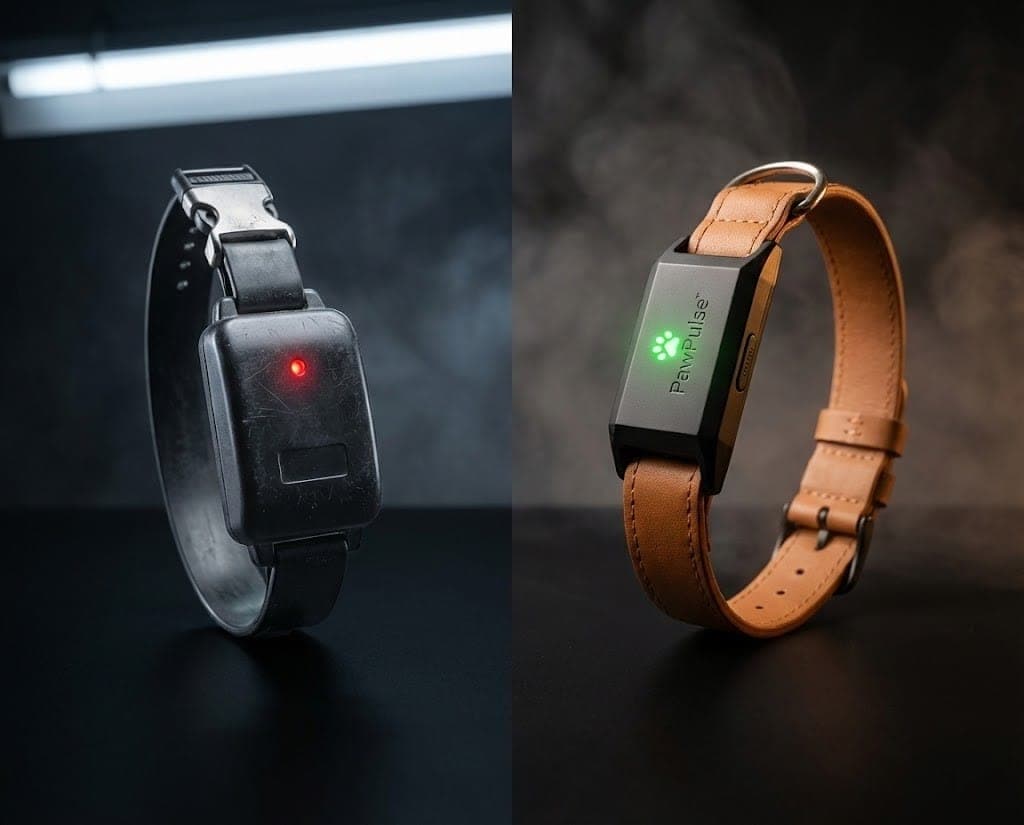
Let us be direct about where the industry stands versus where PawPulse is heading:
| Capability | Most Smart Collars at CES 2026 | PawPulse |
|---|---|---|
| Health metrics | 3-4 basic (steps, sleep, rough HR) | Multiple professional-grade vitals (HR, HRV, respiration, temperature, pain score) |
| Anxiety treatment | Not available | Automatic Pulse Rhythm |
| Predictive health AI | Not available | Personalized early-warning system |
| Works through fur | Limited or unreliable | Advanced radar sensing reads through any coat |
| Battery life | 7-30 days | 30+ days target |
| Satellite connectivity | Not available | Automatic failover when cellular drops |
| Personalized baselines | Population averages | Individual dog learning |
| Pain detection | Not available | Behavior-based 0-10 scale |
This is not about being slightly better. This will be a generational leap in what a smart dog collar can do.
The Future of Pet Wearable Technology Is Predictive
CES 2026 validated the idea that smart collars and pet tech are becoming essential. Owners want to understand their dogs better. They want earlier warning when something is wrong. They want technology that actually helps, not just monitors.
But CES also revealed how much work remains.
The industry is still catching up to:
- True preventative health monitoring
- Reliable emotional and stress detection
- Meaningful insights that drive action
- Sensors that work through fur
- Technology that treats problems, not just tracks them
As pet tech matures, the focus will shift away from flashy features and toward quiet reliability.
The smartest collars will not overwhelm owners with numbers. They will surface only what matters, when it matters. They will learn what "normal" looks like for each dog and alert owners when that normal begins to drift.
They will catch the silent anxiety. The subtle heart rhythm change. The gradual shift in sleep quality that precedes illness. And critically, they will do something about it, not just report it.
Shipping quickly is easy. Building a system that owners and veterinarians can rely on is harder.
That difference will define the next generation of pet health technology.
CES 2026 gave us a glimpse of what the industry wants to build.
PawPulse is building it right now, with estimated delivery in spring 2027, pending certification and production validation.
Where the Pet Wearable Market Stands Mid-2026
The months since CES have only sharpened the picture. Industry analysts now size the pet wearable market at roughly USD 3.56 billion in 2026, on track to nearly double to USD 7.23 billion by 2031, with smart collars making up about 64% of revenue. The money is clearly flowing, and early 2026 brought another wave of collars promising AI-driven health monitoring.
But more launches have not closed the gaps we flagged at CES. The same two problems persist across most of the field: data without context, and reactive alerts instead of preventative intelligence. A bigger market is not the same as a better one, and the louder the category gets, the more it matters to ask what a collar actually measures and what it does with that data.
Final Thoughts: Moving Beyond the CES Hype Cycle
CES is a powerful signal of industry momentum. But real innovation is measured over time, not on a showroom floor.
Smart dog collars have enormous potential to transform pet health. Unlocking that potential requires patience, precision, and a commitment to prevention rather than reaction, and treatment rather than just tracking.
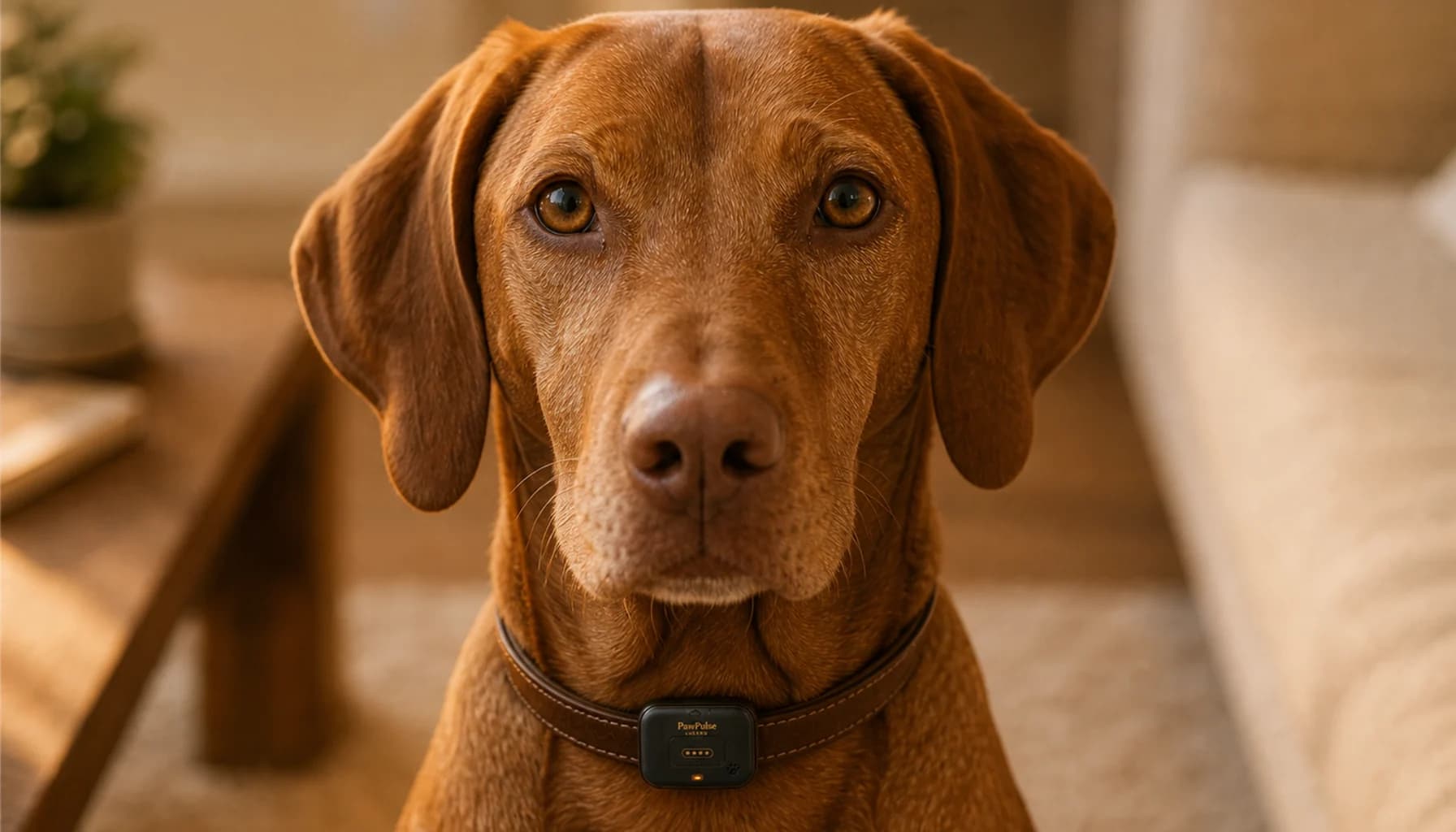
We are building PawPulse because we believe dogs deserve the same quality of health monitoring that humans enjoy. Not activity trackers dressed up as health devices. Not GPS collars with a heart rate estimate bolted on. Real, professional-grade, predictive health intelligence with built-in anxiety treatment.
The future of pet tech is not about more data. It is about better understanding, and better outcomes.
That future is coming. And we are building it.
Want to be first in line when PawPulse launches? Join our priority list to get early access and founding member pricing when we launch our Kickstarter campaign. Explore our technology, learn about Pulse Rhythm for anxiety relief, or read more about how AI is helping us understand our dogs' emotions.
Frequently Asked Questions
What was the biggest theme at CES 2026 for pet tech? CES 2026 confirmed that smart dog collars are mainstream. Nearly every major pet brand showed off AI-driven activity trackers, GPS collars, and health monitors. The theme was volume of features, but the consistent gap was depth: most devices still rely on optical sensors that struggle with fur and produce raw step counts rather than contextual health intelligence.
Why do most smart dog collars rely on optical sensors? Photoplethysmography (PPG) optical sensors are cheap, well-understood, and already used in human smartwatches. The problem is that those sensors were designed for hairless human wrists, not fur-covered canine necks. Light cannot reliably penetrate a thick coat, so the resulting heart rate estimates are either inaccurate or gathered only when the dog lies perfectly still against the skin.
How does PawPulse's radar sensing differ from optical sensing? Radar-based sensing detects mechanical movement from the chest wall rather than relying on light passing through fur and skin. Because it measures motion instead of optical absorption, fur is not the barrier it is for many traditional wearables. The same technology is used in medical research for non-contact vital sign monitoring and is described in the IEEE Transactions on Biomedical Engineering as a reliable path to unobtrusive physiological sensing.
What's the difference between predictive and reactive pet tech? Reactive systems summarize what already happened (steps taken, calories burned, sleep duration). Predictive systems learn an individual dog's baseline and alert owners when patterns drift-heart rate variability declining, sleep fragmenting, resting heart rate creeping up-often before any visible symptom appears. That shift is what separates a fitness tracker from a preventative health device.
How accurate are breed-average baselines for health monitoring? Breed averages are a poor proxy. A Greyhound's resting heart rate (around 50 BPM) is nothing like a Chihuahua's (around 80 BPM), and individual dogs within a breed can vary by 15-20%. Systems that rely on breed or population averages can create noisy alerts, causing owners to stop trusting the notifications. Personalized baselines help Prism look for repeatable changes before it notifies you.
Can a smart collar actually treat anxiety, or only detect it? Detection alone is incomplete. A collar that notifies you of anxiety while you're at work leaves the dog suffering with no intervention. Pulse Rhythm closes that loop by pairing detection with automatic haptic calming in Heartbeat Mode, Deep Calm, or Storm Mode based on the detected trigger. The therapy runs locally on the device without owner input.
When will PawPulse launch, and how do I get early access? PawPulse is planned for BackerKit launch access before fulfillment, with estimated delivery in spring 2027 pending certification and production validation. Priority-list members are the first to see final reward pricing and early production slots. Sign up on the homepage for updates.
Learn more about PawPulse Lucero, the smart dog collar designed to close every CES 2026 gap: continuous through-fur health monitoring, satellite-ready GPS, and built-in Pulse Rhythm in one device.
Related reading: the problem with collars that only track location and how advanced radar sensing will change pet wearables.
-- The PawPulse Team