Key takeaway: The real cost of waiting to take your dog to the vet is mostly lost time: a problem keeps progressing while you wait for clearer signs. In 2014 Veterinary Pet Insurance claims data, dental disease averaged $171.82 to treat when caught early versus $531.71 later. Home health trends cannot replace a vet, but they can show when a change began.
"Let's Just Wait and See"
We have all said it. Your dog seems a little off. Sleeping more, a bit flat on walks, slower to get up from the rug. It has been hot. He probably ate something weird. Let's just wait and see.
Sometimes that is the right call. Dogs have off days, the same way we do. But sometimes the off day is the first visible edge of something that started weeks earlier, and by the time it is obvious, the conversation at the vet is a harder one.
We build PawPulse, a smart dog collar with contactless heart rate and breathing monitoring, so we spend a lot of time thinking about that gap between "something started" and "someone noticed." This post is about what that gap tends to cost, using numbers we could actually trace to a named source and a year. Where we could not trace a number, we left it out.
What Does "Wait and See" Actually Cost?
The most widely quoted figures come from a 2014 Vetstreet article by Veterinary Pet Insurance (VPI) chief veterinary officer Dr. Carol McConnell, which compared VPI's average claim costs for conditions treated early versus at a later stage:
- Dental disease: $171.82 early versus $531.71 later.
- Internal parasites: $29.51 early versus $179.93 later.
- Infectious diseases: $73.52 to $85.14 early versus $687.24 later.
Read these as context, not a quote for your dog. They are averages from one insurer's claims, they are in 2014 dollars, and the article itself notes that real costs vary widely by region and by case. Veterinary prices have moved a lot since then.
What has not changed is the shape of the pattern. When a problem is found earlier, the options are usually simpler and the bill is usually smaller. When it is found later, there are more tests, more visits and sometimes a hospital stay. The dollar amounts drift with inflation. The direction does not.
Why Do Dogs Get to the Vet Late?
This is not about careless owners. It is mostly about two things working against you.
Dogs are stoic. Many dogs carry on with discomfort for a long time. They still greet you at the door, still eat most of dinner, still go for the walk, just a little slower. Small changes in effort and rest are easy to miss when you see your dog every day, because you are comparing today with yesterday, not with three months ago.
The calendar is sparse. If your dog sees the vet once a year, that is one well-examined day and 364 days where the only observer is you. Your vet is very good at what happens in that exam room. They just are not in your living room at 2 a.m. when your dog's breathing is faster than usual.
Neither of those is a character flaw. It is just a visibility problem. We wrote more about it in why annual checkups alone leave gaps.
What Happens in the 364 Days Between Checkups?
Here is a hypothetical that will sound familiar to a lot of owners.
Your dog's hips start bothering him in March. He compensates through the summer, shifting weight, lying down a little sooner, choosing the couch over the stairs. Nothing you would call a limp. By October he is clearly stiff getting up, and you book the visit. Your vet now has to reconstruct seven months of history from your memory, which is honest but fuzzy.
Or a quieter version: a slow climb in resting breathing rate during sleep. Two extra breaths per minute is invisible to a human watching a sleeping dog. Over weeks, it is a trend. Veterinary cardiologists already ask owners of dogs with heart disease to count sleeping breaths at home for exactly this reason: the trend at rest tells them more than a single reading in a stressful clinic.
Do Vital Signs Change Before Symptoms Show?
For heart disease, there is good evidence that they do.
The EPIC study (Boswood et al., Journal of Veterinary Internal Medicine, 2020), run by veterinary cardiologists at the Royal Veterinary College and dozens of university and specialty hospitals, followed dogs with mitral valve disease and an enlarged heart but no symptoms yet. In the 135 dogs that went on to develop congestive heart failure, heart rate, breathing rate in the clinic and resting breathing rate counted by owners at home all rose as heart failure approached. The breathing rates changed the most, right before onset. The authors concluded that these findings reinforce the value of resting breathing rate as an indicator of impending heart failure.
Two honest caveats. Those dogs were already known to have heart disease and were under a cardiologist's care, and the numbers came from clinic visits and owner counts, not from a collar. And noticing a trend earlier only helps if someone acts on it, which means a conversation with your vet. Still, it is a clear picture of the idea: the body often shifts before the behavior does.
A 2025 review in Animals (MDPI) on remote vital sensing in veterinary medicine reached a similar conclusion at a broader level, describing how remote monitoring can help veterinarians detect and track health issues earlier while keeping patients more comfortable.
Why Does Timing Matter So Much With Cancer?
According to the American Veterinary Medical Association (AVMA), approximately 1 in 4 dogs will develop neoplasia (abnormal growths, benign or malignant) at some stage in life, and almost half of dogs over the age of 10 will develop cancer.
Those are sobering numbers, and we are not going to pretend a collar finds tumors. It does not. What it can do is surface the indirect signs that often show up alongside illness in general: a resting heart rate that stays higher than your dog's normal, breathing that is faster during sleep, restless nights, less activity. None of those point to a specific cause. They are a reason to call your vet sooner rather than later, and with older dogs especially, sooner matters. Our post on continuous monitoring for senior dogs goes deeper on that.
The same timing logic applies to plenty of slow-moving conditions, including heart disease, kidney disease, arthritis and chronic pain. They tend to develop gradually and announce themselves late.
What Does a Prepared Vet Visit Look Like?
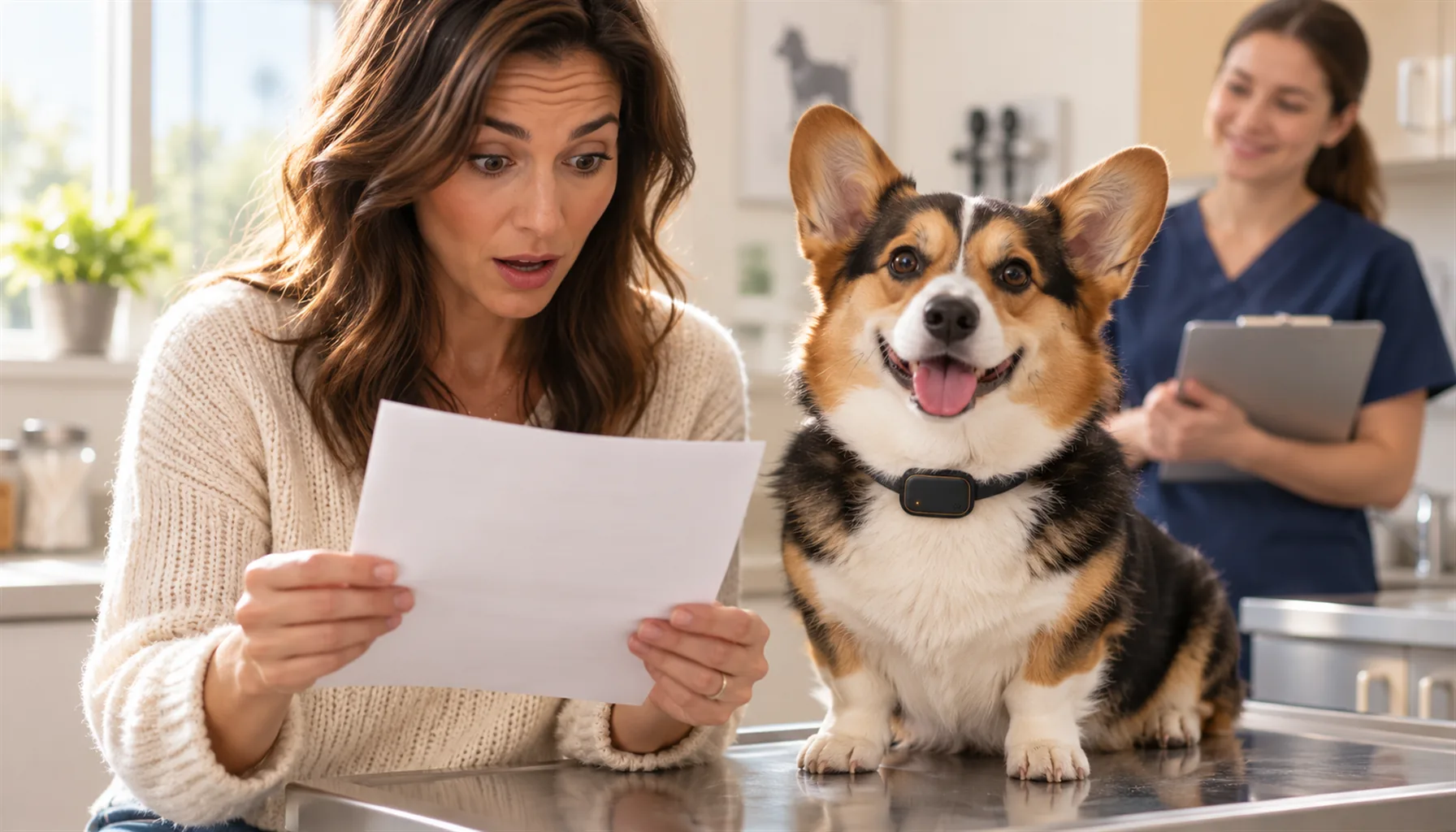
There are roughly two ways a vet visit starts. In one, you arrive with a specific concern and some history. In the other, you arrive worried and the vet starts from "so, what has been going on?"
| Prepared Visit | Reactive Visit |
|---|
| What prompted it | A sustained change in home trends | Obvious symptoms or an emergency |
| Owner's state | Informed, a bit concerned | Anxious, often guilty |
| Vet's starting point | Weeks of resting heart rate, breathing, sleep and activity | "Tell me what's been going on" |
| Testing path | Can start from what the trend suggests | Often a wide net to rule things out |
| Timing | Earlier in the course of a change | Later, once signs are obvious |
The difference is not luck. It is information. The PawPulse Vet Dashboard is designed to give your veterinarian that timeline, with your permission, so they spend the appointment on the problem instead of on reconstructing the history.
Where PawPulse Fits (and Where It Does Not)
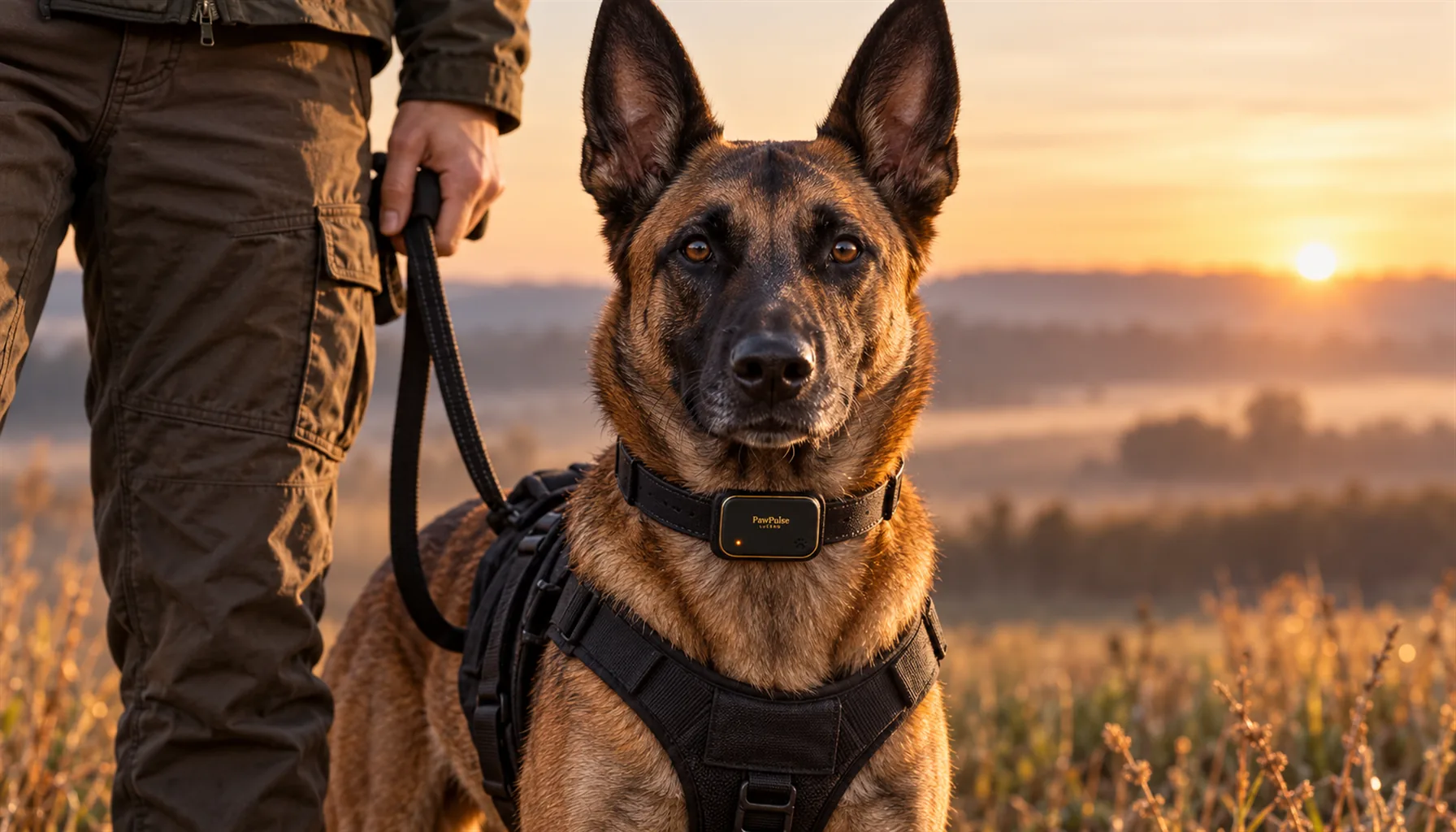
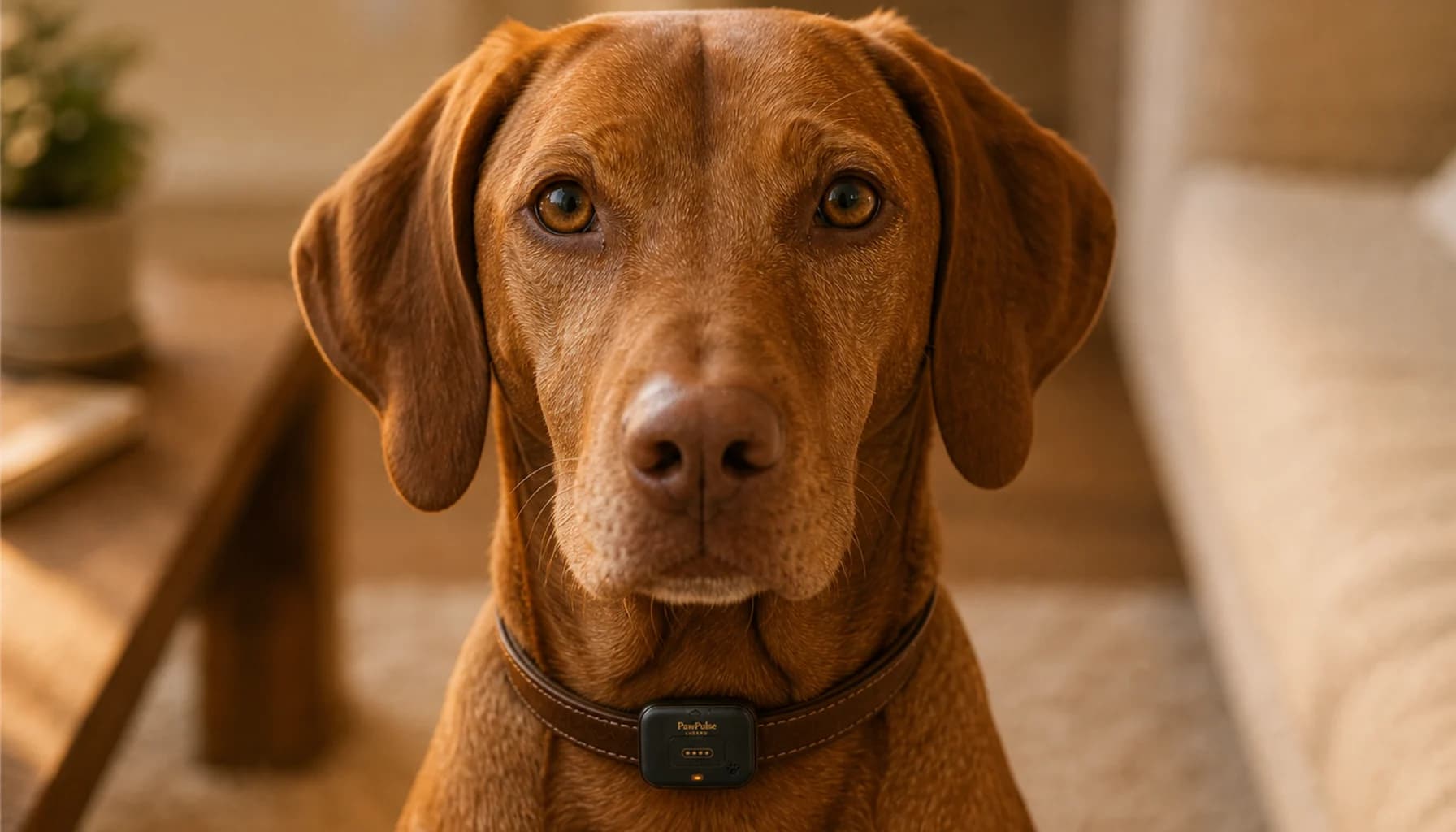
The PawPulse Lucero is a dog collar built around Kinetic sensing, our millimeter-wave radar approach that reads heart rate and breathing from tiny chest-wall movements without touching the skin, so it works through every coat. Alongside heart rate and respiratory rate, it tracks heart rate variability, activity and sleep.
Prism Insights learns what normal looks like for your specific dog and points out when something has drifted and stayed drifted. Not a single spiky reading after a squirrel. A sustained change, with the date it started.
What it is not: a medical device, or a replacement for your vet. It gives you insights, trends and patterns, and it gives your vet context. The thinking, the exam and the decisions stay with the person who went to veterinary school. You can see how the PawPulse Lucero puts this together on its product page.
My Dog Seems Healthy. Why Start Now?
Because healthy is exactly what the baseline is made of.
A trend is only meaningful against a known normal. If monitoring starts on a Tuesday and flags a higher heart rate on Thursday, that is noise. If it has been learning your dog for a few months and sees resting heart rate sit above normal for ten days running, that is worth a phone call.
The useful moment for health data is usually before you need it. Starting while your dog is well means that when something does change, you have the before picture to compare it with.
Frequently Asked Questions
How much more does it cost to wait on a sick dog?
It depends on the condition, but later usually costs more. In 2014 Veterinary Pet Insurance claims data, dental disease averaged $171.82 when treated early versus $531.71 later, and internal parasites $29.51 versus $179.93. Those are dated averages from one insurer, so treat them as context rather than an estimate for your dog.
Why do dogs often get to the vet late?
Dogs tend to carry on despite discomfort, and owners compare today with yesterday, so slow changes go unnoticed. Many dogs also see a vet only once a year. That combination means a condition can progress for weeks before anyone sees a clear sign, which is why sustained changes at home are worth mentioning early.
What home changes are worth calling the vet about?
Look for changes that last, not one-off moments. A resting or sleeping breathing rate that stays faster than usual, more sleep, less interest in walks, stiffness getting up, appetite changes or restless nights are all reasonable reasons to call. Your vet can tell you whether it needs a visit or can wait.
How does continuous monitoring help between vet visits?
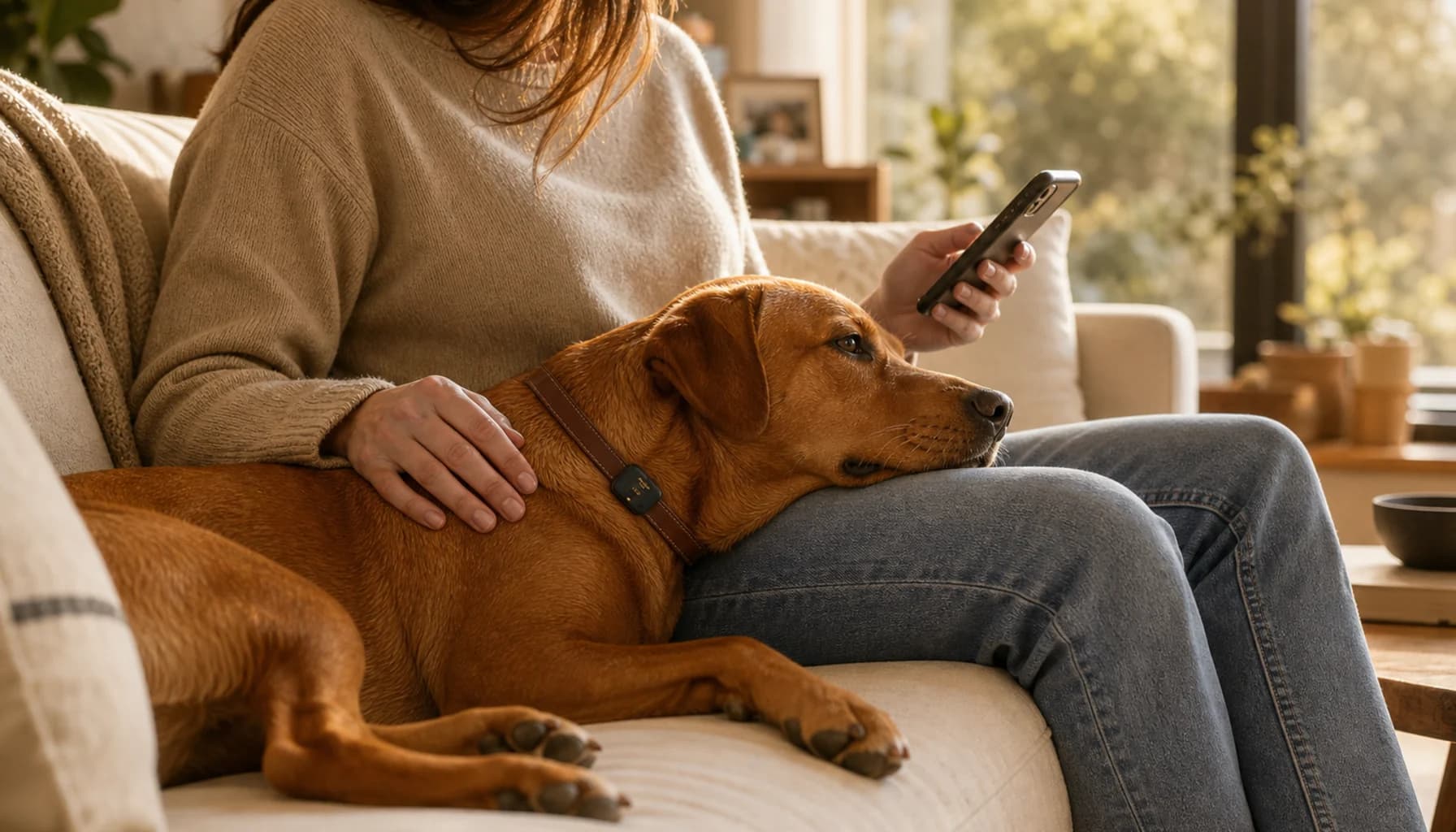
It records resting heart rate, breathing, activity and sleep every day and compares them with your dog's own normal. PawPulse Lucero uses contactless radar sensing for this, so it works through any coat. When a change persists, you get the start date and the trend to share with your vet.
Can a smart collar replace a vet exam?
No. A collar sees trends at home. A vet examines the whole dog, runs the right tests and makes the medical decisions. Home trends are most useful as context: they help you decide when to call and help your vet see how long a change has been going on before the appointment.
When should I start monitoring my dog's health?
While your dog is healthy. Trend-based monitoring needs a few weeks to learn what normal looks like for your specific dog. Starting during a healthy stretch means later changes stand out clearly against a real baseline, instead of being compared with readings taken after something had already begun.
Learn more about PawPulse Lucero and the PawPulse Vet Dashboard, built together to turn weeks of home health trends into earlier, better-informed conversations with your vet.
-- The PawPulse Team