Key takeaway: Pets are sentient beings that cannot communicate their pain, and they are wired by evolution to hide it. Continuous health monitoring is not a luxury - it gives animals a voice through data when biology denies them one through behavior.
The Most Important Thing Your Pet Will Never Tell You
Your dog cannot walk into the kitchen and say: "Hey, my joints have been killing me for about three weeks, mostly in the mornings, and it is getting worse." Your cat cannot text you: "Something feels off in my belly. Maybe schedule a vet visit?"
We all know pets cannot talk. But think about what that really means in day-to-day life: the only member of your household who cannot speak up about their own health is the one who depends on you the most to notice when something changes.
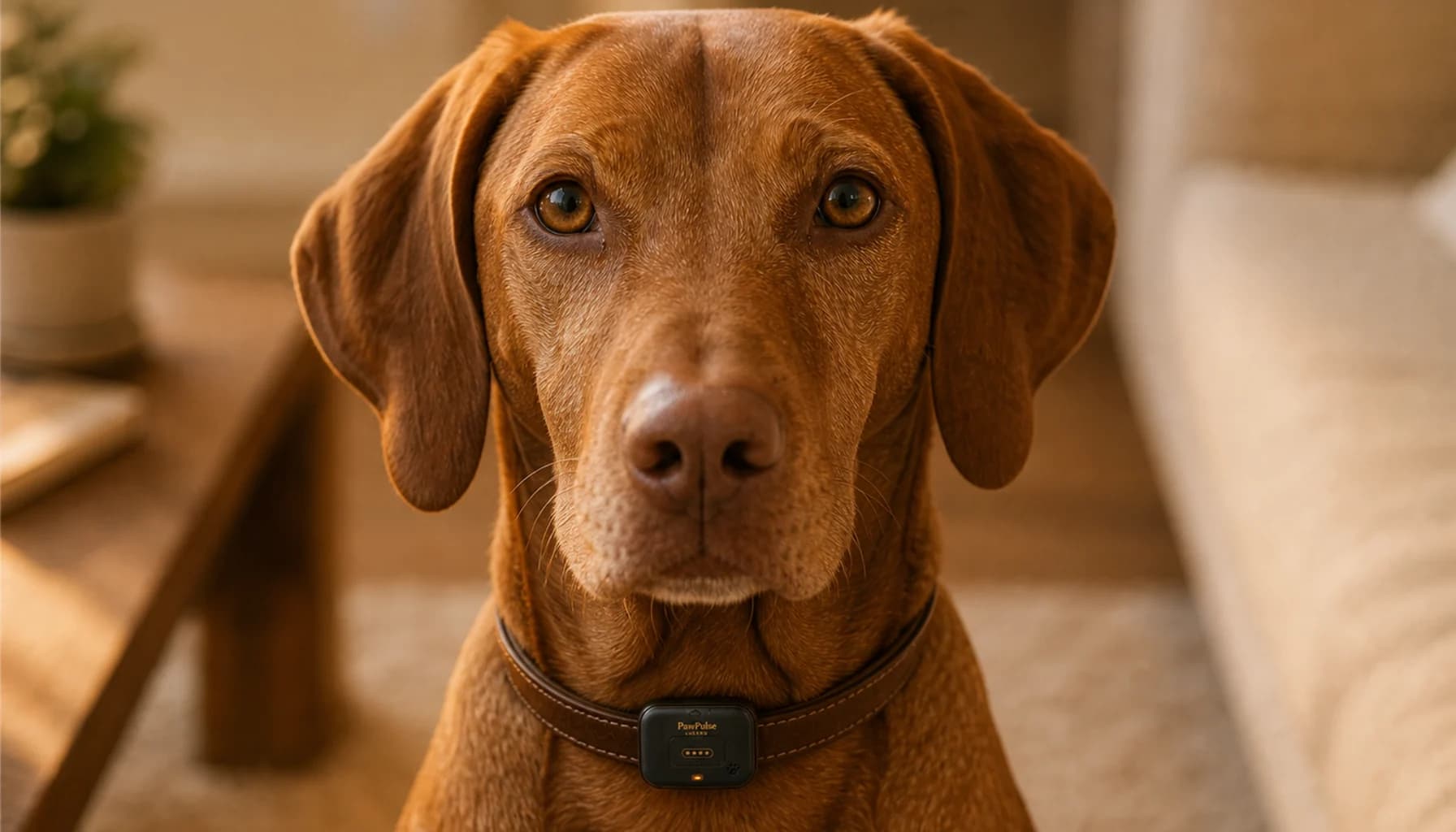
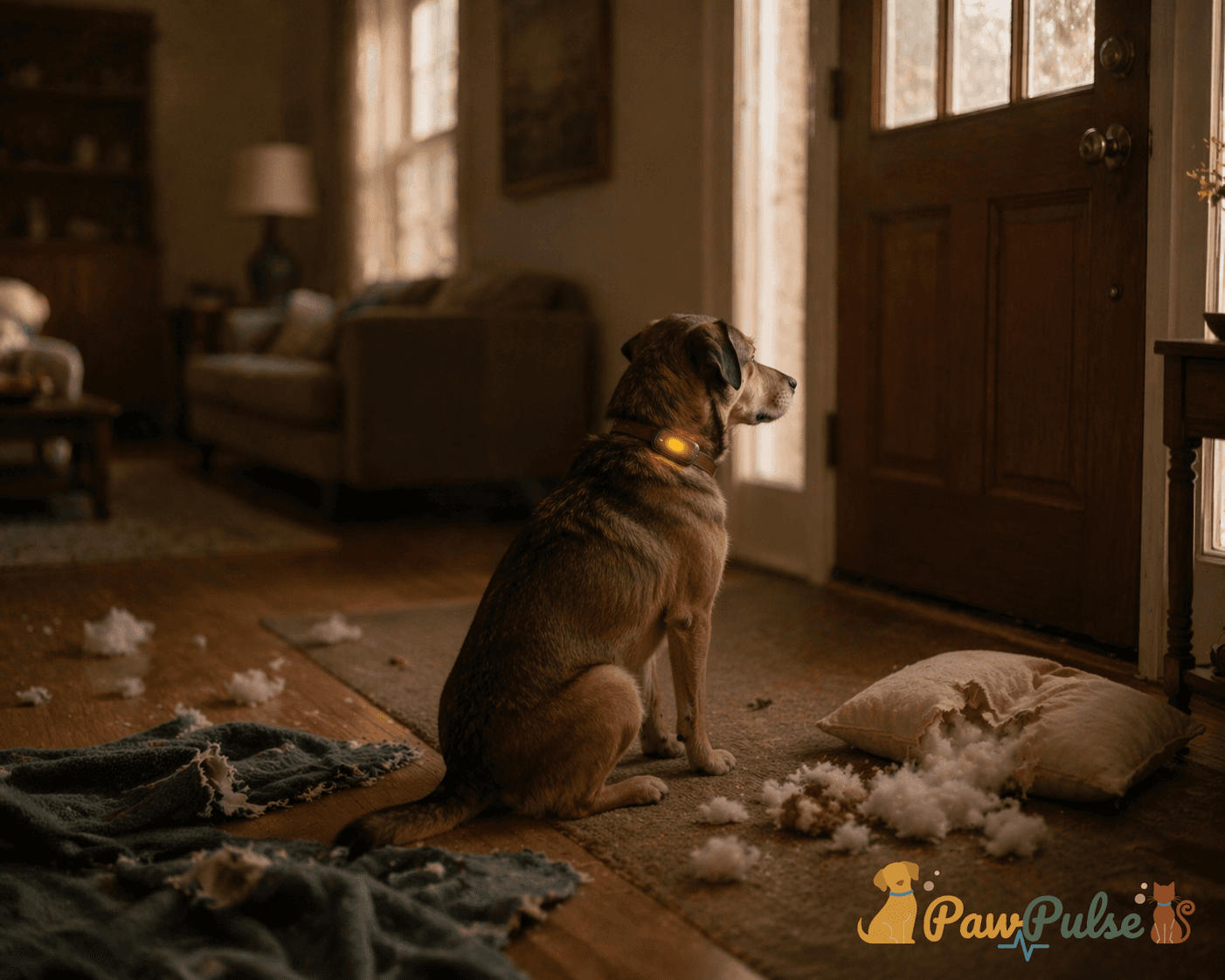
And here is the kicker - dogs and cats are not just silent about pain. They are actively hiding it. Thousands of years of evolution trained them to look healthy even when they are not. In the wild, showing weakness gets you eaten. So the animal that cannot tell you it hurts is also doing everything it can to make sure you do not see it either.
That is not a technology gap or a market gap. That is an ethical gap.

What "Good Care" Actually Means Now
Animal welfare science has come a long way. The old framework was pretty basic: is the animal fed, sheltered, and not visibly sick? Check, check, check - good enough.
Modern frameworks, as described in a review published in Animals (MDPI) on AI and animal welfare, have raised the bar. Welfare now includes positive emotional states, physical comfort, social needs, and the ability to express natural behaviors.
That shift matters because it changes what "good pet owner" means. It is no longer enough to make sure your pet is not visibly suffering. The standard is moving toward making sure they are genuinely thriving - and that takes visibility into their physical and emotional state that just watching them around the house cannot provide.
Pain Hiding Is a Bigger Deal Than Most People Realize
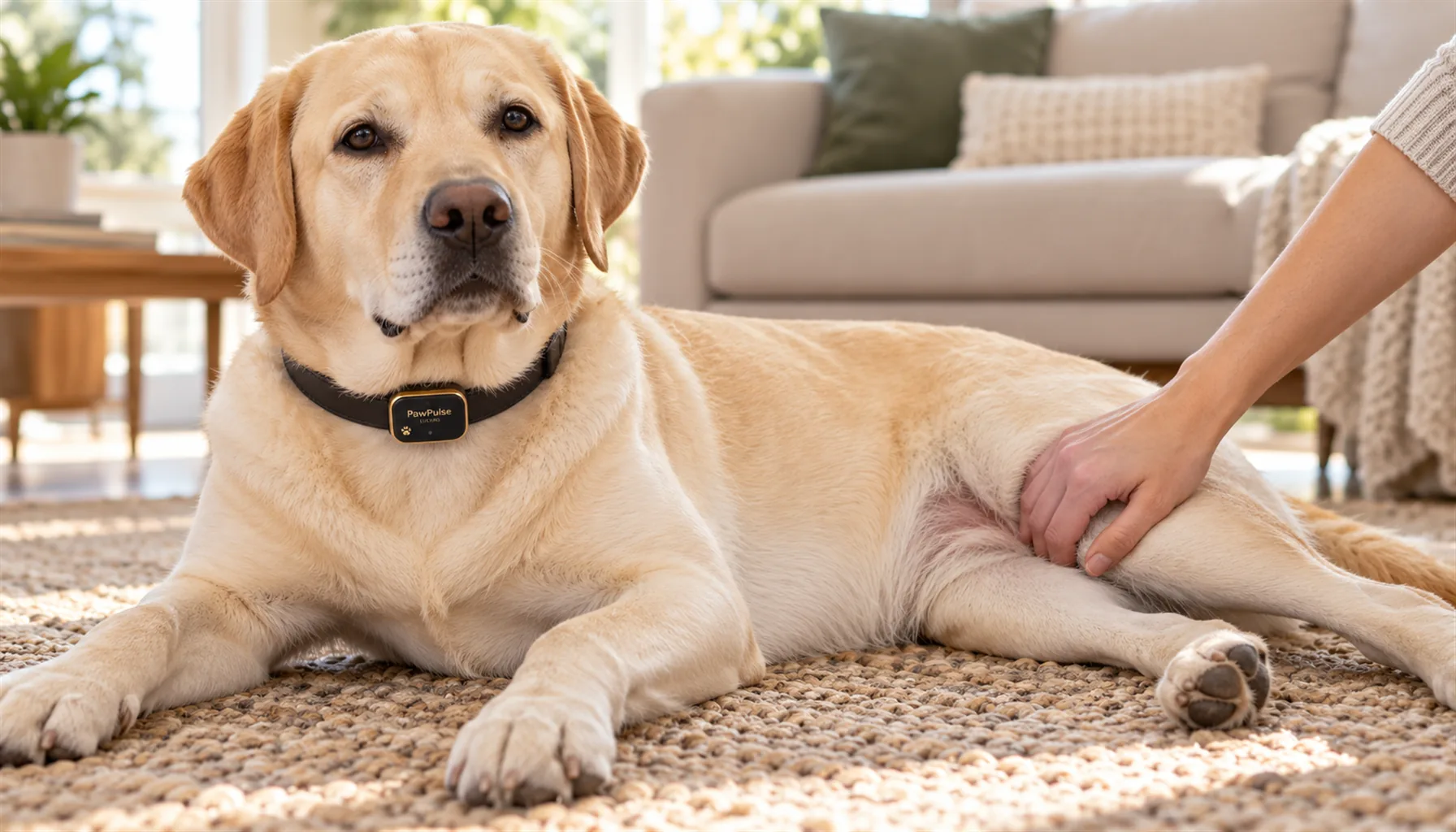
Study after study shows a gap between when pain actually starts and when owners notice it. By the time a dog is limping, the arthritis behind that limp has been building for weeks or months. By the time a cat stops eating, the condition causing it may already be advanced.
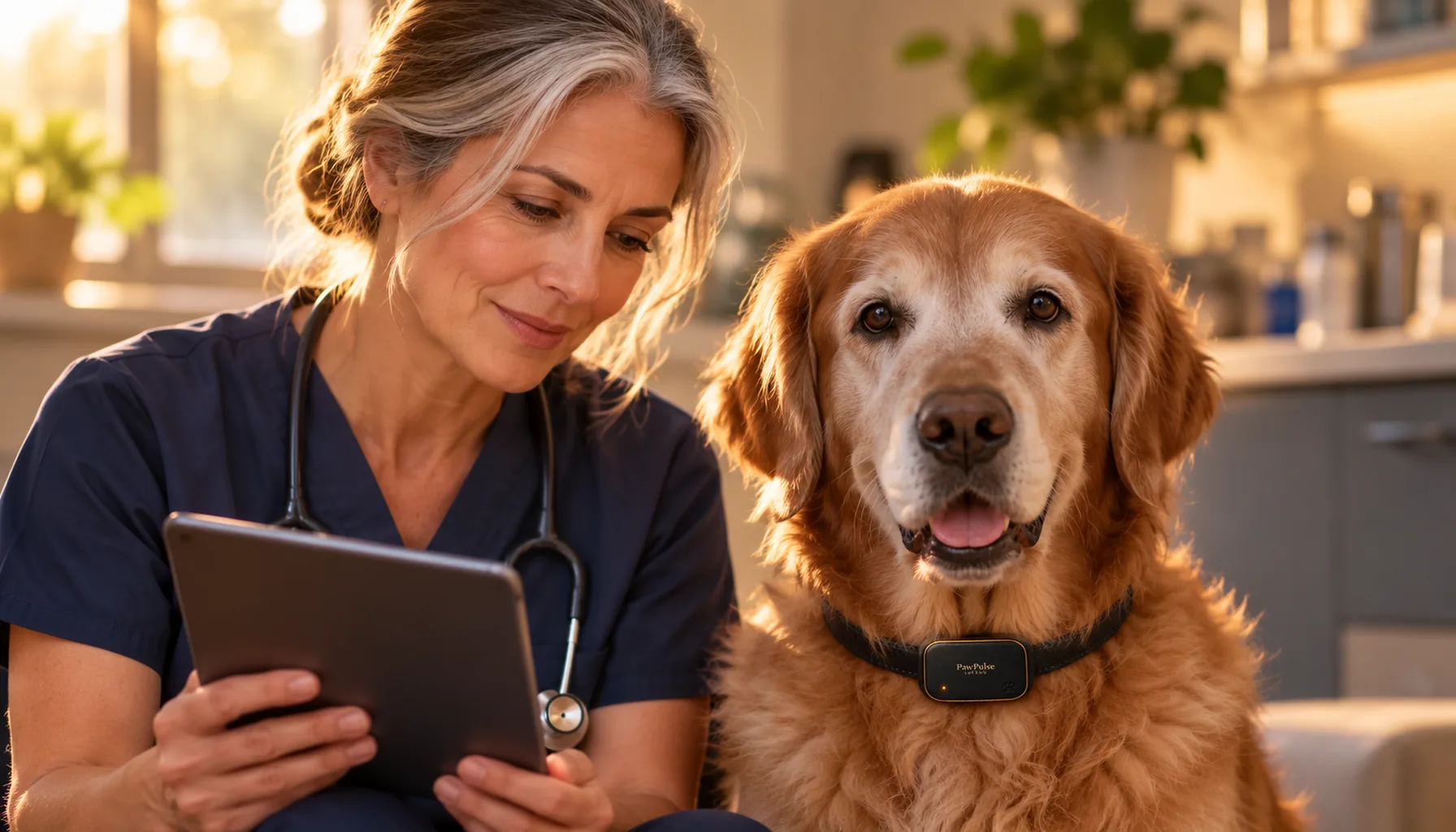
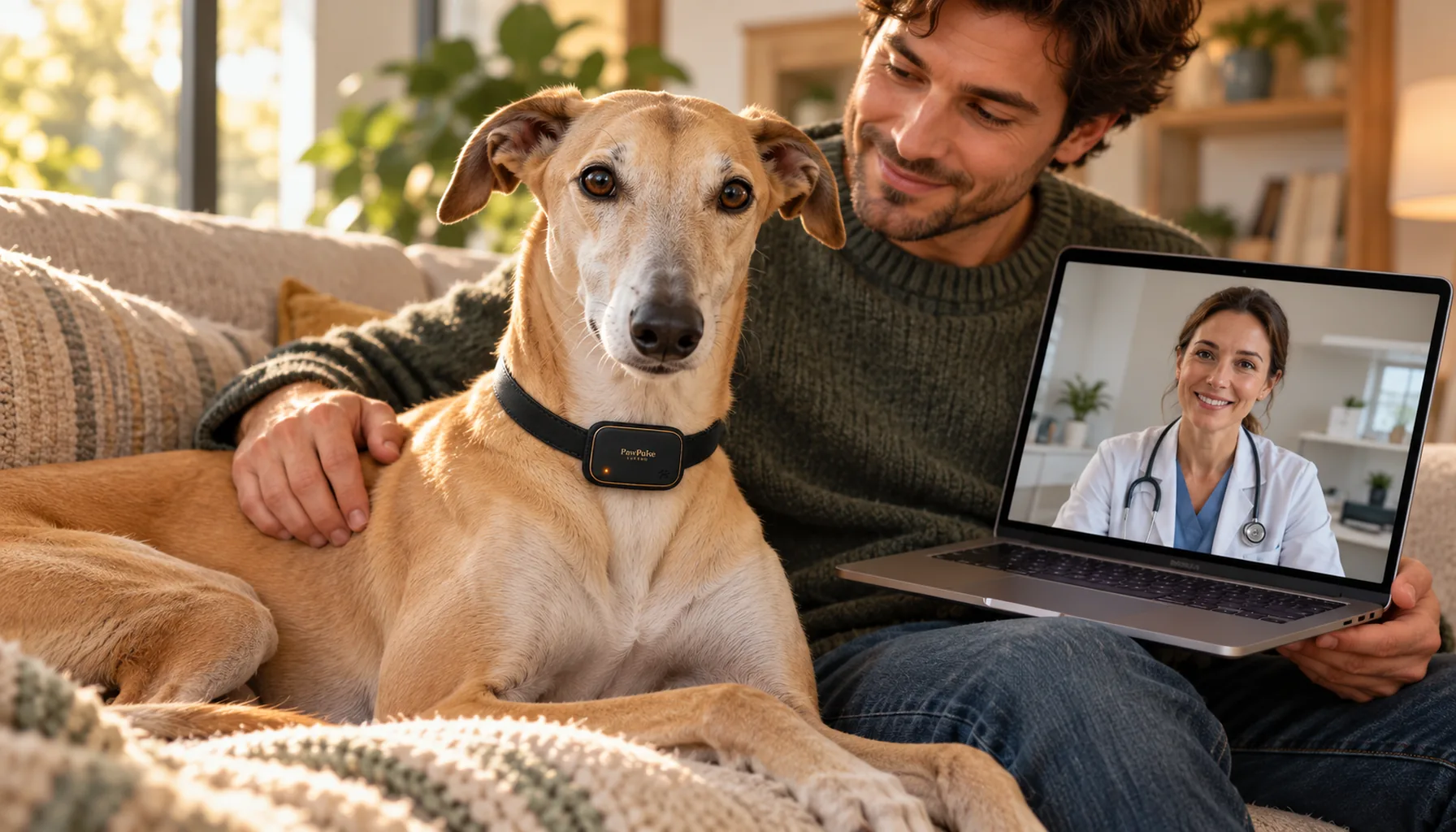
A study in PMC on veterinary ethics and welfare argued that veterinarians have an ethical responsibility to embrace monitoring technologies as part of their duty of care - not just treat disease after the fact but catch it earlier.
The same question extends to pet owners: if technology exists that could tell you your pet is off before you would ever notice it yourself, what do you do with that? We are not trying to guilt anyone. But it is a question worth sitting with.
Your Pet Depends on You to See What They Cannot Show You
Owning a pet is a custodial relationship at its core. You signed up to be responsible for a sentient being that depends entirely on you for food, shelter, medical care, and quality of life.
Most pet owners want to provide great care, not just the legal minimum. The challenge is that great care requires information - and your main source of health information (your pet's behavior) is unreliable because of that built-in pain-masking instinct.
This is where continuous monitoring becomes part of the conversation. Not as a product pitch, but as a capability that genuinely changes your ability to take care of your pet the way you want to.
| Real-World Scenario | Without Monitoring | With Monitoring |
|---|
| Dog develops early arthritis | You notice limping after weeks of silent joint wear | Activity decline and sleep changes surface the trend early |
| Cat develops early kidney disease | Cat hides symptoms until crisis - emergency vet visit | Gradual vital sign shifts flagged over weeks, you bring data to vet |
| Senior dog has cognitive decline | Night pacing becomes nightly before you connect the dots | Sleep disruption pattern surfaces when it happens 2-3 times per week |
| Dog recovering from surgery | "He seems fine" based on how he looks | Heart rate trend stays elevated from baseline longer than expected |
In every row, the difference is not the owner's intention. It is the owner's visibility. Good intentions without information produce the same outcome as not paying attention. That is not fair to you, and it is definitely not fair to your pet.
Stress Is Doing More Damage Than You Think
Pain is not the only thing pets suffer through quietly. As we covered in our post on how stress affects your dog's body, chronic stress triggers a cortisol cascade that suppresses the immune system, disrupts digestion, damages heart health, and has been linked to shorter lifespans.
A dog with chronic separation anxiety is not just "anxious." Their immune system is compromised. Their gut lining is breaking down. Their heart is working harder than it should be. Every day this goes unaddressed adds cumulative damage that you cannot see and your dog cannot report.
Pulse Rhythm is built to provide calming support on that front. But calming support requires awareness, and awareness requires data. Continuous monitoring gives you a heads-up when your dog is stressed so you can do something about it before the damage piles up.

The Tech Is Not the Ethics. The Choice Is.
Let us be clear about something: buying a smart collar does not automatically make you a better pet owner. And not buying one does not make you a worse one.
The ethical piece is not about the technology itself. It is about choosing to seek visibility into your pet's health when that visibility is available. It is recognizing that "he seems fine" is not really good enough when science tells us pets are actively hiding the opposite. And it is being willing to act when you learn something new about how your pet is actually doing.
Some owners achieve great visibility through careful observation, frequent vet visits, and detailed journaling. That works. What continuous monitoring adds is consistency - it does not have off days, it does not get busy at work, it does not forget to check.
What the Research World Is Saying
The overlap between animal welfare science and monitoring technology is getting a lot of attention.
A review in PMC on automated welfare monitoring found that continuous, automated monitoring can catch declining health while reducing the stress caused by frequent hands-on assessments. The researchers noted technology-based monitoring can be more objective, more consistent, and less disruptive than manual observation.
The livestock industry figured this out years ago - continuous monitoring at scale because the welfare benefits (and the savings from catching problems early) are well-documented. Companion animal welfare is on the same trajectory, with wearable health monitoring emerging as the most practical tool for continuous, non-invasive assessment.
Cats Need This the Most
If there is one species where the case for continuous monitoring is strongest, it is cats. They visit the vet less often than dogs. They hide symptoms better than almost any domestic animal. They get diagnosed at later stages of disease more often. According to the AVMA, the cost of prevention is consistently a fraction of treating advanced disease - making continuous data especially valuable for a species where conditions are routinely caught late.
A cat developing chronic kidney disease, hyperthyroidism, or heart disease may show zero behavioral changes until the condition is well advanced. The owner is not negligent. The cat is simply too good at hiding what is going on inside.
PawPulse's radar-based sensing platform is designed to give cat owners continuous health visibility as the product line expands. For cats, continuous monitoring is not a convenience. It bridges the widest information gap in companion animal care.
Where We Think This Is Heading
We believe continuous pet health monitoring will eventually be viewed the way microchipping is today: a baseline expectation of responsible pet ownership, not a premium add-on.
That future is not here yet. The technology is still young, the evidence base is growing, and adoption is early. But the argument is already clear: pets are sentient beings who cannot speak up for their own health, who are biologically wired to hide suffering, and who depend on their owners to bridge that information gap. Tools that help bridge it are not optional extras. They are the right thing to do.
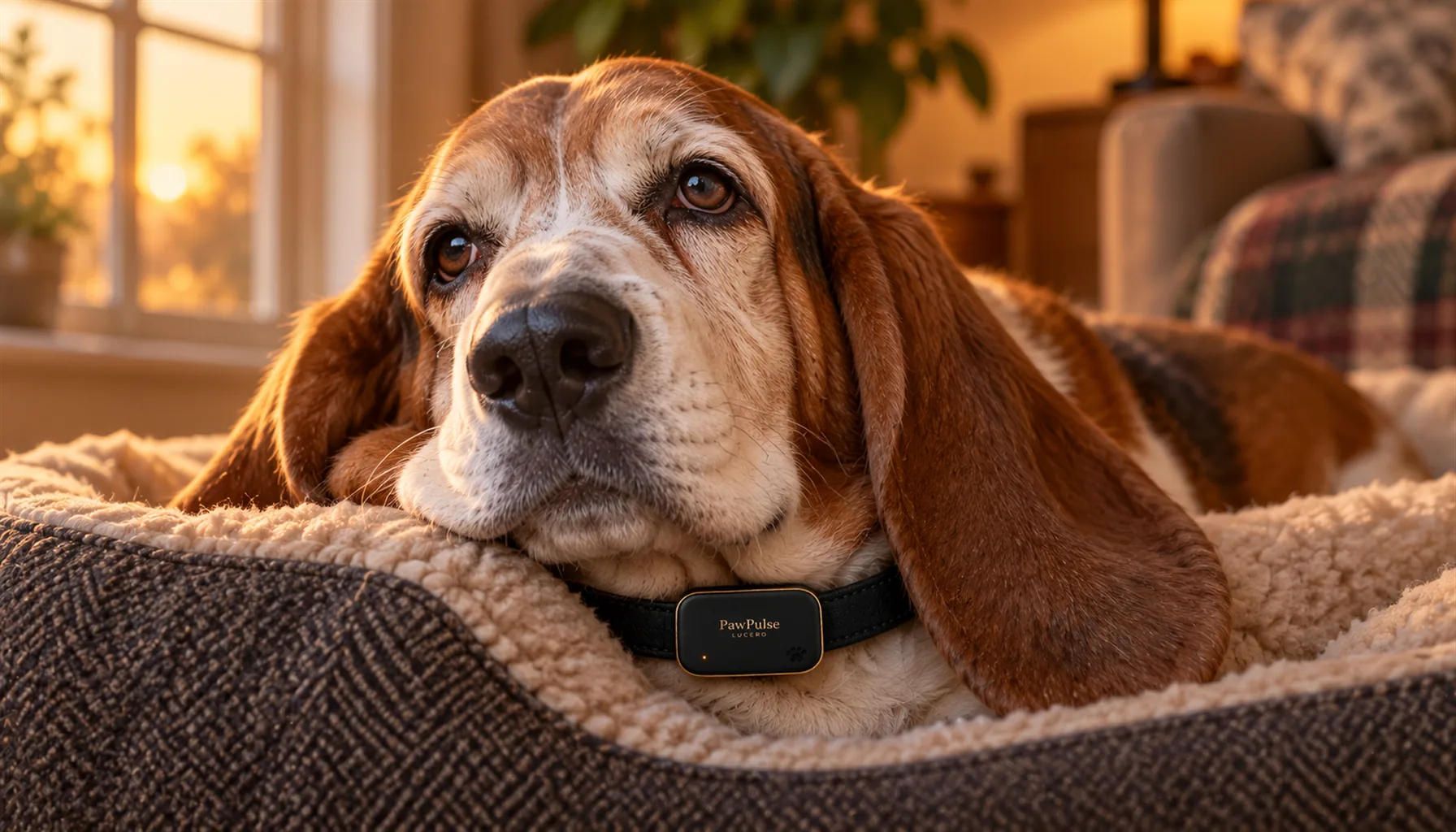
We are building the Lucero collar because we believe every pet deserves a voice - even if that voice is data. And every owner deserves the information they need to take care of their pet as well as they intend to.

Frequently Asked Questions
Is continuous pet health monitoring an ethical must-have?
We think it is becoming part of responsible pet ownership as the technology matures. Pets cannot communicate pain, and they evolved to hide it. When technology exists that can tell you your pet isn't quite themselves, using it represents a higher standard of care. It is not a legal requirement, but the case for visibility is strong.
Can I just watch my pet carefully instead of using technology?
Careful observation is valuable and important. But research shows dogs and cats actively mask pain and illness, and humans are not great at spotting gradual change. Continuous monitoring adds consistency - it tracks vital signs around the clock without off days, and it compares against a personal baseline that makes subtle shifts detectable. It works alongside your observation, not instead of it.
Does continuous monitoring stress or bother the pet?
No. PawPulse's collar uses a radar sensor that reads vital signs passively, without electrodes or a tight fit, regardless of coat type. The pet experiences it as a regular collar. The monitoring is invisible to the animal, which is exactly the point - data collection without disruption.
What does animal welfare research say about monitoring tech?
Published research increasingly supports tech-based monitoring as a welfare upgrade. Automated monitoring catches health decline earlier, reduces the stress of frequent hands-on assessments, and provides objective data that complements what you see at home. The veterinary ethics literature specifically calls for professionals to engage with monitoring tools as part of their evolving duty of care.
Is this about selling a product or advancing welfare?
Both, and we are upfront about that. We are building a commercial product and we believe it makes pets' lives better. Those are not contradictory goals. The best outcomes in pet health come from building tools that genuinely improve pet lives, and PawPulse has been structured around that from day one.
Does this apply to cats too?
Especially to cats. Cats visit the vet less frequently, hide symptoms more effectively, and are typically diagnosed at later disease stages than dogs. The gap between what is happening inside a cat and what the owner can see is wider than for any other common pet. Continuous monitoring is arguably more important for cats than for dogs.
Learn more about PawPulse Lucero, the smart dog collar built to extend the duty of care into the hours between vet visits where most health-relevant changes actually happen.
-- The PawPulse Team