Key takeaway: If your dog is lost, search close to home first and start right away. In the 2012 ASPCA-funded survey by Weiss, Slater and Lord, 49% of recovered dogs were found by searching the neighborhood and 20% came home on their own. In the first 24 hours, search nearby, leave familiar scents out, call every shelter and your microchip registry, and post flyers.
The Short Answer: Close, Fast, and Loud
The plan is simpler than it feels: most lost dogs are found near home, by their own people, within days.
The survey behind that ASPCA finding, published in Animals (Weiss, Slater and Lord, 2012), asked 1,015 US households about pets lost in the previous five years. 93% of lost dogs were recovered: 49% by searching the neighborhood, 20% by coming home on their own, and 15% through an ID tag or microchip. Only about 6% of owners found their dog at animal control or a shelter.
An earlier study in the Journal of the American Veterinary Medical Association (Lord et al., 2007) followed 187 lost dogs in Ohio. 71% were recovered, with a median time to recovery of 2 days, and owners who called or visited an animal agency had a higher likelihood of getting their dog back (hazard ratios 2.1 and 1.8 in that owner survey, a faster recovery rate rather than doubled odds).
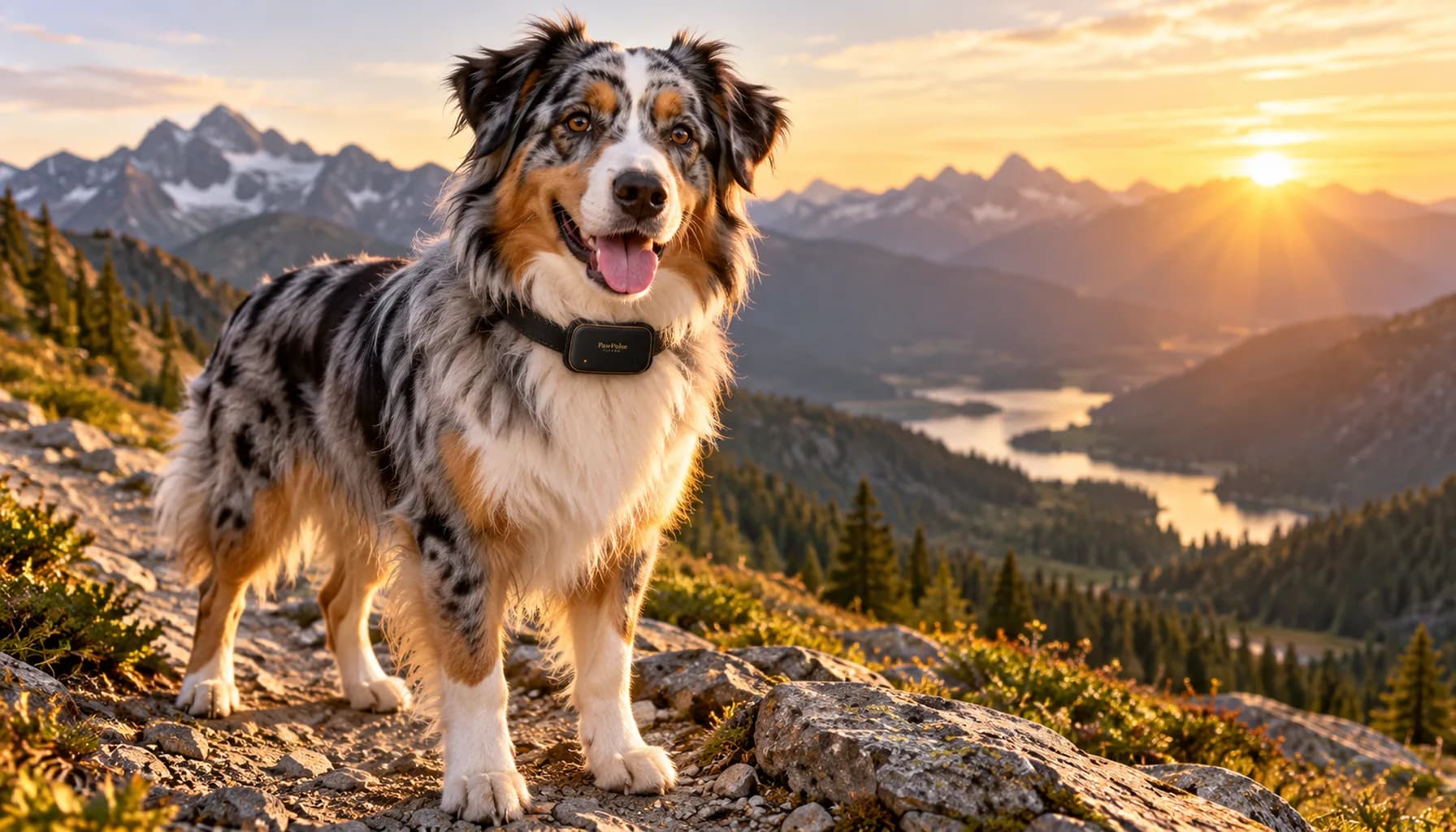
We are the engineers and dog owners behind PawPulse, a smart dog collar designed for contactless heart rate and breathing monitoring and live location. This guide works whether or not your dog wears anything from us.
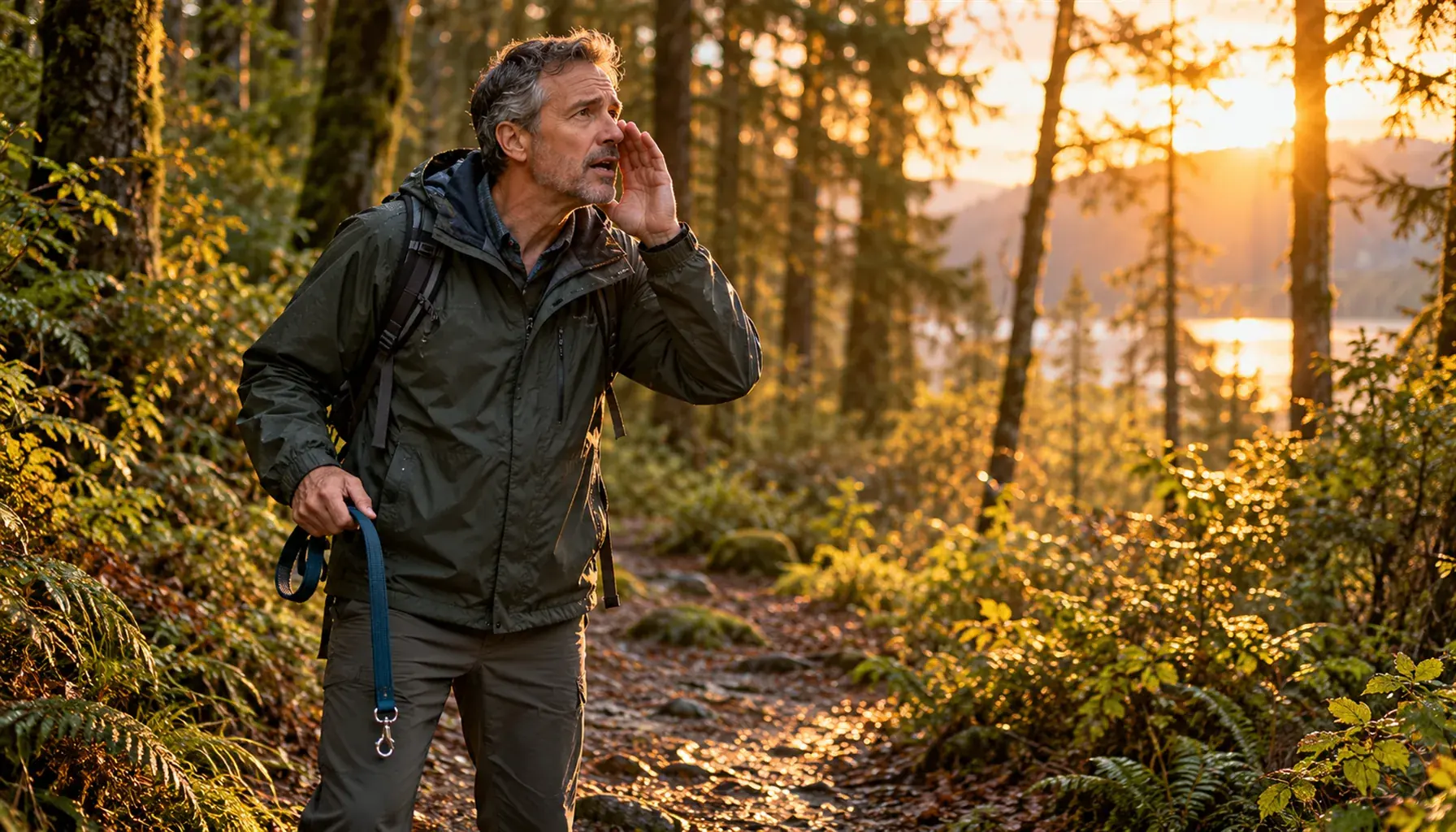
Do not wait to see if your dog wanders back. The Humane Society of the Pikes Peak Region says it plainly in its lost pet guidance (HSPPR, checked October 2026): time is critical, begin searching right away.
Split up. One person stays home in case the dog returns. Everyone else loops outward from the last-seen spot.
Check small hiding places. Under porches and decks, in sheds and garages, behind bushes, under parked cars. Ask neighbors to open their sheds and garages too.
Call in a normal, happy voice. Use the words your dog knows: its name, "treat", "walk". Shouting can push a scared dog further away.
Do not chase. A frightened dog often reads a running person as one more thing to flee. If you spot your dog, stop, crouch sideways, and let it come to you.
Think about why it left. A dog that bolted from a loud noise may hide quietly and ignore even your voice.
Hour 1 to 3: Make Your Home Easy to Find
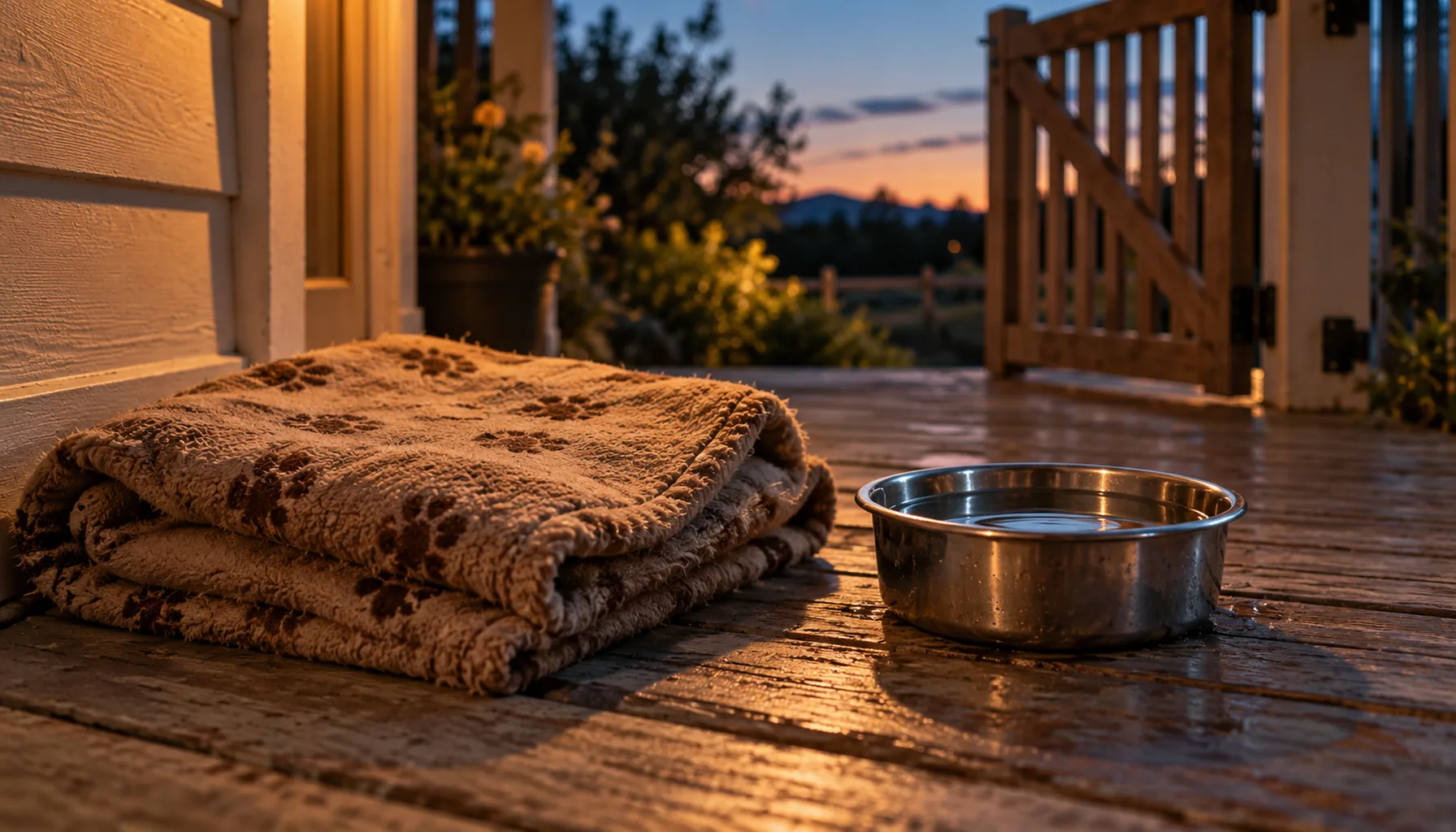
Leave familiar scents. Put your dog's bed, a blanket, or a piece of your worn clothing on the porch or by the gate. HSPPR recommends familiar scents and advises against putting food out, because food attracts other animals.
Set out water by the door, and if you can, leave a gate open into a secure yard so a returning dog has somewhere safe to go.
Find recent photos: one clear full-body shot and one face close-up.
Hour 3 to 6: Call Shelters and Your Microchip Registry
Call and visit every shelter and animal control agency nearby, including neighboring towns, because a dog can cross a town line in minutes. File a lost report with each. Then go in person. As HSPPR says, walk the kennels yourself: you know your pet best. Ask each shelter how long it holds strays, because hold periods are set locally and can be short.
Call your microchip registry. A chip only works if the number on file reaches you. When Lord and colleagues studied 7,704 microchipped animals entering 53 shelters in the Journal of the American Veterinary Medical Association (Lord et al., 2009), owners were found for 74.1% of microchipped stray dogs. Among the animals whose owners could not be reached, 35.4% had an incorrect or disconnected phone number, and only 58.1% of the chips checked against a registry were registered at all.
So, today:
- Find the chip number (vet records, adoption paperwork, or call your vet).
- If you do not know which company holds it, AAHA runs a free universal pet microchip lookup tool at petmicrochiplookup.org.
- Confirm your phone, email and address are current.
- Report your dog as missing with that registry.
Call local vet clinics and emergency hospitals, where finders often take injured dogs.
Hour 6 to 12: Spread the Word
Flyers. Large photo, LOST in big letters, your phone number, where and when last seen, and one temperament line ("shy, do not chase, please call"). Post at busy intersections, vet clinics, pet stores, dog parks and trailheads.
Keep one detail back. Leave one distinguishing mark off the flyer and ask callers about it. HSPPR also warns that it will never ask for payment by phone or payment app before returning a pet, so treat any caller who wants money first with suspicion.
Local online groups. Post the same photo and details in neighborhood apps and local lost-and-found pet groups, and check them for "found dog" posts.
Tell people who are out and about: mail carriers, delivery drivers, dog walkers and early runners.
Hour 12 to 24: Search Again at Quiet Times
Go out at dusk and again at dawn. Quiet hours mean less noise, so you can hear more and a nervous dog may move. Walk slowly, call softly, stop often to listen.
Should you search at night? Yes, carefully. A flashlight can catch eye shine under a hedge. Wear something visible, stay off busy roads, and never search woods alone in the dark.
Recheck shelters, and widen the circle slowly. Most dogs are found close to home, so add streets in rings rather than driving far away.
If Your Dog Is Lost in the Woods or a Rural Area
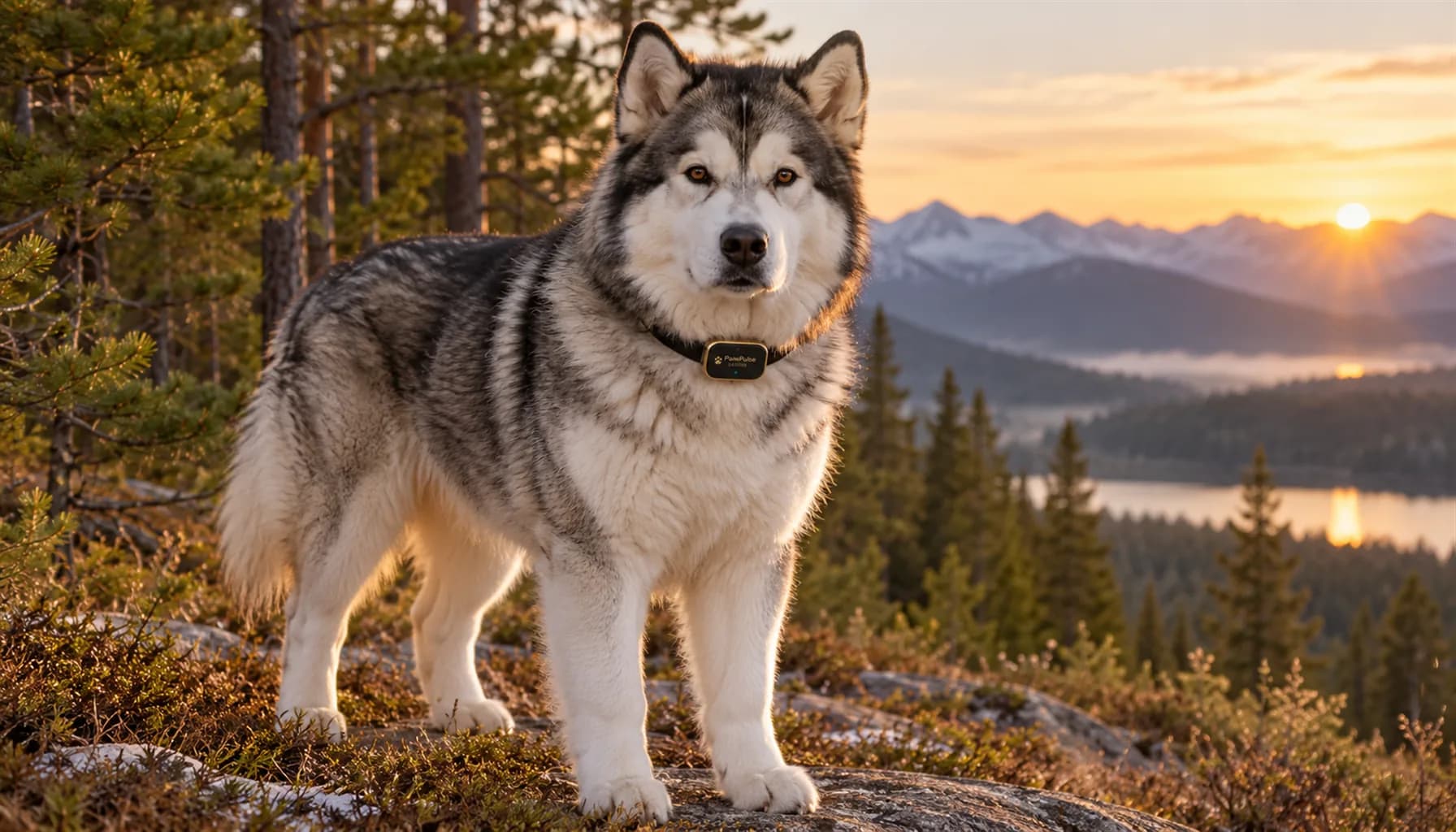
Fewer neighbors, fewer shelters and fewer people to spot a dog change the plan.
- Go back to the last-seen spot, leave a worn shirt there, and return to it often.
- Tell park rangers, landowners and the local animal control or sheriff's office.
- Check trailheads, parking areas and campsites.
- Stay safe yourself: no solo off-trail searching at night.
This is where location technology helps most, and where cellular-only GPS collars struggle, as we explain in the dead zone problem.
The First 24 Hours Checklist
| When | What to do |
|---|
| 0 to 1 hour | Search outward from the last-seen spot. Check hiding places. Call calmly. Do not chase. Leave one person at home. |
| 1 to 3 hours | Leave a familiar-scent item and water at the door. No food out. Gather clear photos. |
| 3 to 6 hours | Call and visit every shelter and animal control office nearby. File lost reports. Call your microchip registry, confirm details, report your dog missing. Call vets and emergency hospitals. |
| 6 to 12 hours | Post flyers (keep one detail back). Post in local online groups. Tell mail carriers and neighbors. |
| 12 to 24 hours | Search again at dusk and dawn. Recheck shelters in person. Widen the search area street by street. |
According to a 2026 analysis of 2025 shelter data by Shelter Animals Count, the top three days for adult dogs entering US shelters as strays were the day after Memorial Day, the Tuesday after the July 4th weekend, and January 2. Before any holiday, check your dog's tag, confirm your microchip details and plan a quiet room. For fence and boundary ideas that do not rely on shock, see our post on virtual fences without shock.
Why We Built Location Into PawPulse Lucero
We started PawPulse to understand dogs' health, but an open gate is the fear every owner shares, so location sits next to the health sensing in PawPulse Lucero.
Lucero is designed to send live location over a cellular connection, with Safe Zones that alert you when your dog leaves one. It also has a satellite-ready backup designed to keep location updates moving when cellular drops out. Satellite availability depends on carrier support and certification. More on the design is on our technology page.
None of that replaces a current microchip and an ID tag. A collar can come off and coverage varies, so location is one more layer, not a guarantee.
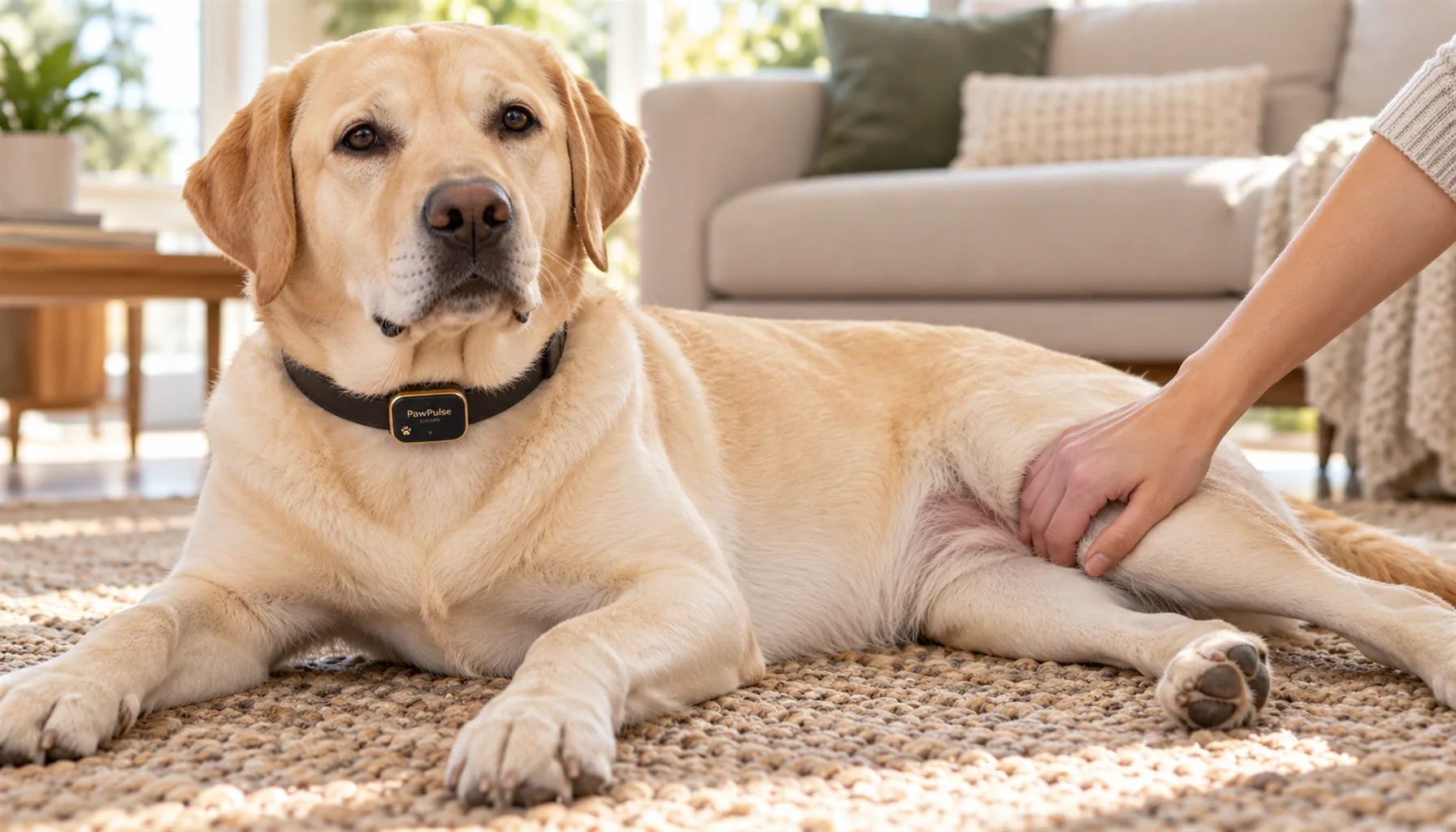
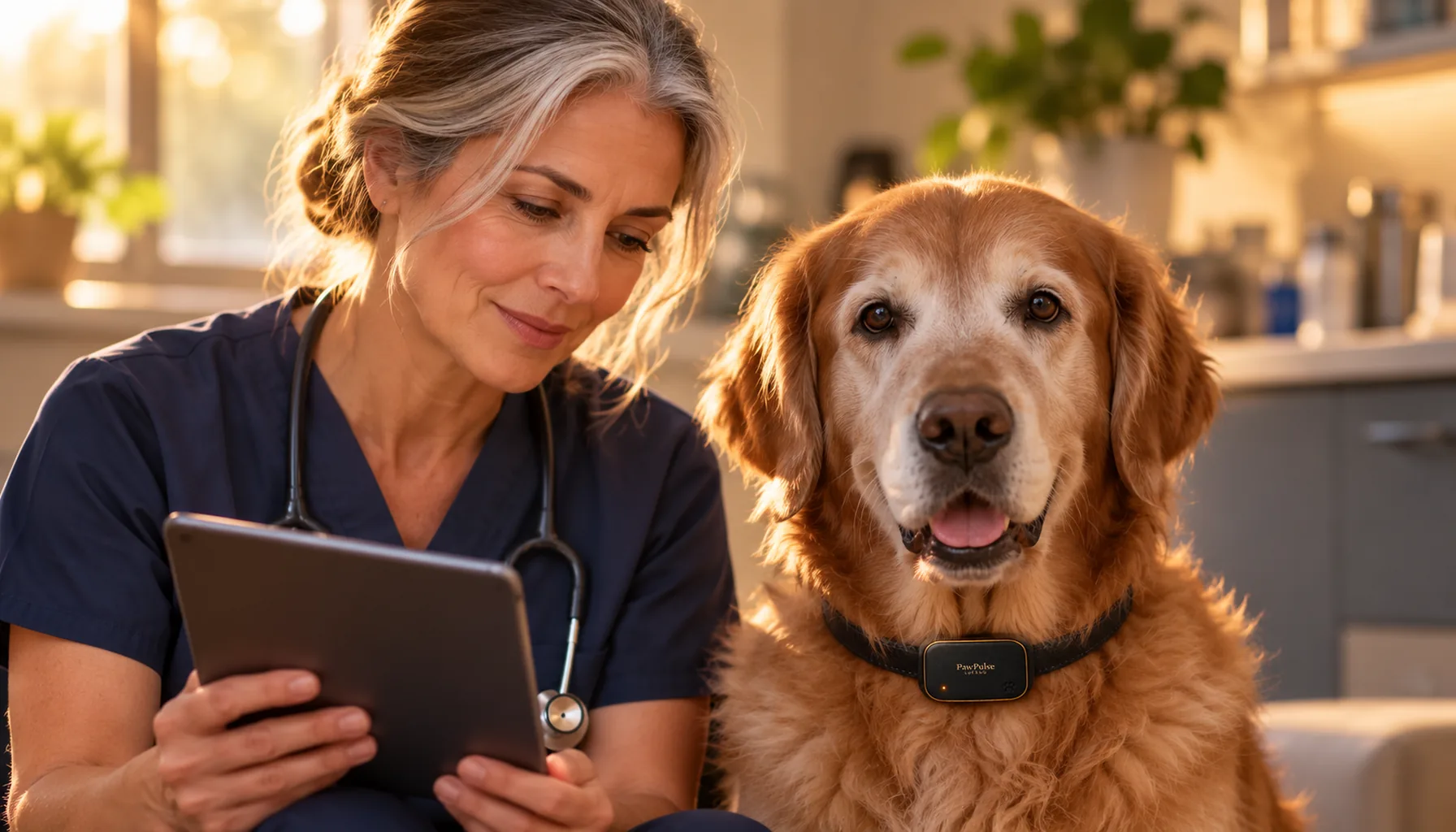
Lucero is also designed to measure heart rate and breathing through fur without touching the skin (Kinetic sensing), giving trends and context to share with your vet. Those trends are not a substitute for a vet check.
After You Find Your Dog: When to Call the Vet
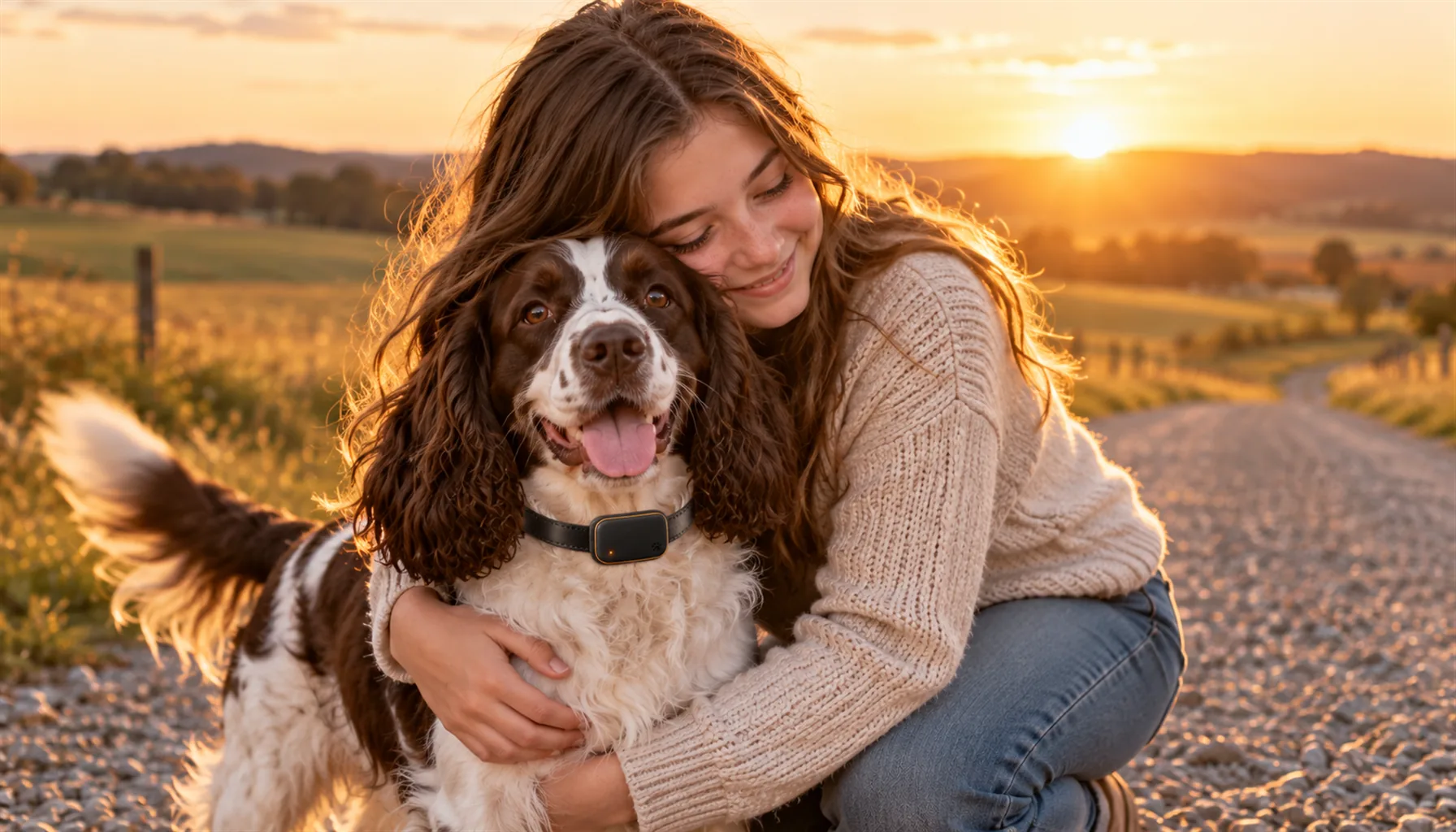
Relief comes first. Then take a careful look, because a dog that has been out overnight may have injuries you cannot see at first.
Call your vet the same day if your dog:
- has any wound, bleeding, limping, or tender spot;
- may have been hit by a car, even if it looks fine;
- vomits, has diarrhea, or will not eat or drink;
- seems unusually tired, weak, or confused;
- may have eaten something unknown or been in contact with wildlife.
Go to an emergency vet now if your dog has trouble breathing, pale gums, collapses or cannot stand, is bleeding heavily, or has a seizure. If unsure, call and ask.
Then tell every shelter, registry and group that your dog is home, take down flyers, and fix the gap that let your dog out. Our post on lost dog statistics covers prevention in more depth.
Frequently Asked Questions
What should I do first when my dog goes missing?
Start searching immediately, close to where your dog was last seen, and leave one person at home in case it returns. In the 2012 Weiss, Slater and Lord survey, 49% of recovered dogs were found by searching the neighborhood. Within the first few hours, also call local shelters and your microchip registry.
Where do lost dogs usually hide?
Frightened dogs often hide close by in small, sheltered spaces: under porches and decks, in sheds and garages, beneath parked cars, and in thick bushes. They may stay silent even when they hear you. Check these places slowly, ask neighbors to look in their outbuildings, and recheck the same spots at quiet times.
Should I search for my lost dog at night?
Yes, with care. Quiet evening and early-morning hours have less noise and traffic, so you can hear more and a nervous dog may move. Use a flashlight to spot eye shine, wear visible clothing, avoid busy roads, and do not search woods or trails alone in the dark.
Should I call the microchip company if my dog is lost?
Yes. Report your dog as missing and confirm your phone, email and address are current. In a 2009 JAVMA study of microchipped shelter animals, an incorrect or disconnected phone number was the most common reason owners could not be reached. If you do not know the registry, use AAHA's universal microchip lookup tool.
What should I post on social media for a lost dog?
Post a clear full-body photo and a face close-up, the area and time last seen, your phone number, and a note about temperament such as "shy, please do not chase." Keep one distinguishing detail private to verify callers. Share in local neighborhood and lost-and-found pet groups, and check them for found-dog posts.
How long are most lost dogs missing?
In a 2007 JAVMA study by Lord and colleagues that followed 187 lost dogs, the median time to recovery was 2 days, with a range from half a day to 21 days. That is why the first 24 to 48 hours of searching close to home, plus shelter calls and visits, matter so much.
Learn more about PawPulse Lucero, the smart dog collar designed for live location, Safe Zone alerts and a satellite-ready backup, plus contactless heart rate and breathing monitoring designed to give you trends to share with your vet.
-- The PawPulse Team