Key takeaway: Veterinarians like the idea of smart dog collars but rarely trust the data most of them produce. What vets want is heart rate, breathing rate and heart rate variability collected at home and compared against each dog's own baseline, because clinic readings run high: in a 2022 University of Adelaide study, a third of dogs nearly doubled their heart rate during a standard exam.
Do Veterinarians Actually Like Smart Collars?
Mostly, yes. In principle.
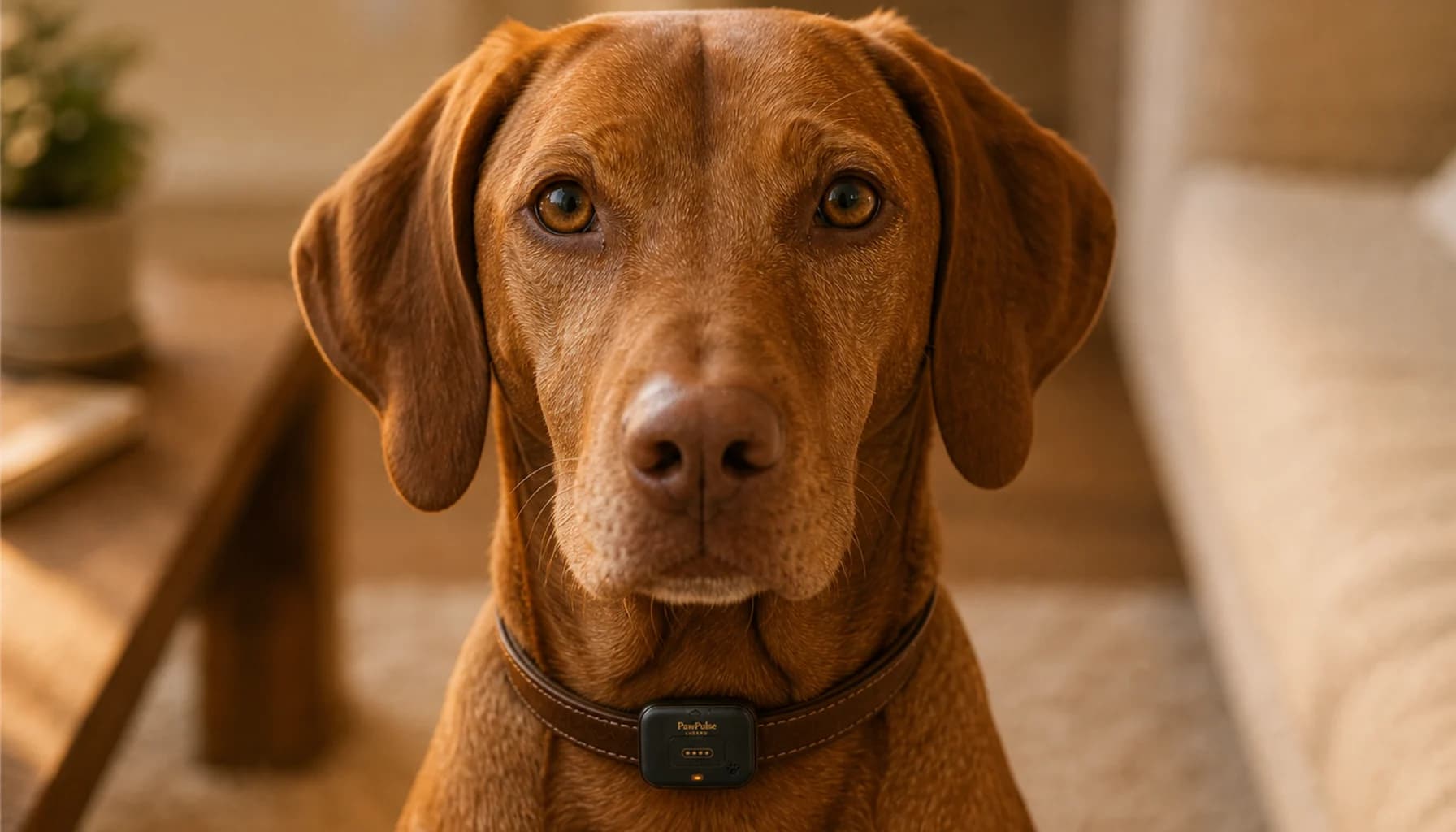
Ask a veterinarian about continuous health monitoring for dogs and the answer tends to come in two halves: "That would be amazing. If the data were actually useful." That second half shaped how we built PawPulse, a smart dog collar with contactless heart rate and breathing monitoring.
The second half is where most smart collar conversations stall. A lot of pet wearables report steps, calories, points and activity scores. Those are fun for owners. They do very little for a vet trying to work out why a dog has been "off" for two weeks.
The profession is not anti-technology. A 2025 review in Animals (Remote Vital Sensing in Clinical Veterinary Medicine) by Zhao and colleagues describes remote vital sensing as having "transformational potential" for veterinary practice. The same review is blunt about the gaps: the field "lacks universally accepted protocols" for collecting and interpreting the data, and keeping signal quality in active, unrestrained animals "remains problematic." Interest is high. Trust has to be earned.
That gap is the one we are building PawPulse to close.
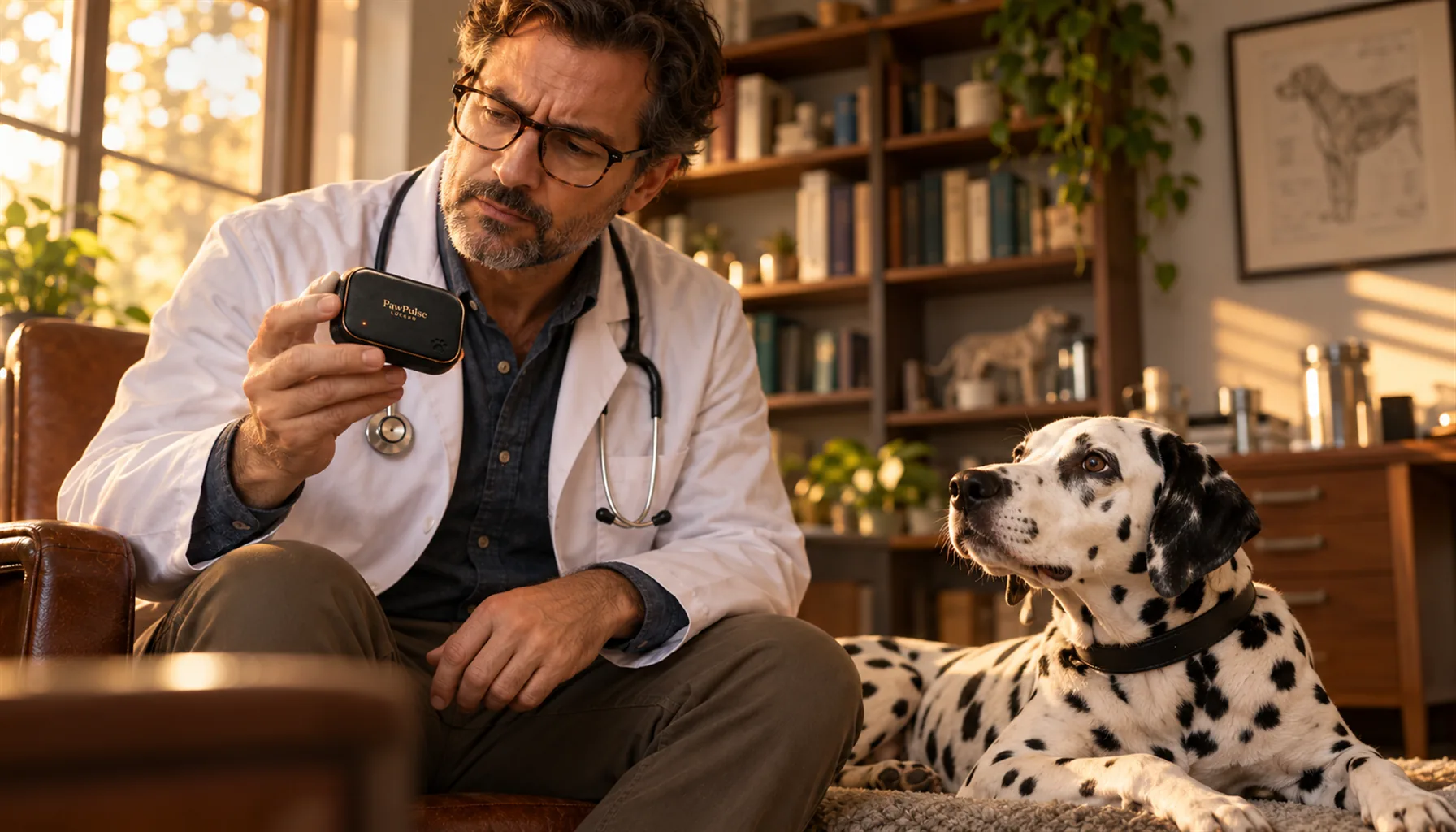
What Data Do Vets Want From a Smart Dog Collar?
Veterinary feedback on wearables keeps landing on the same five requirements. They make a decent checklist for judging any smart collar, ours included.
- Vital signs, not just activity. Heart rate, breathing rate, heart rate variability and sleep patterns tell a vet something about how the body is working. Steps tell them how much the dog moved.
- Personal baselines, not breed averages. A dog's own normal is the reference that matters.
- A format built for the exam room. Trends, timestamps and summaries a vet can read in minutes.
- Readings taken at home. Clinic numbers are skewed by the clinic.
- Reliability on every coat. A sensor that only works on short-haired dogs does not work for a general practice.
Here is why each one matters.
Vital Signs, Not Just Activity Metrics
Activity data answers "how much did the dog move?" It does not answer "how is this dog's heart and breathing doing?" A dog can hit its step goal while its resting heart rate quietly drifts upward for weeks. We went into this in more detail in our post on why activity data alone can mislead you. Vets need the second answer, and the first one rarely gets them there.
Personal Baselines, Not Breed Averages
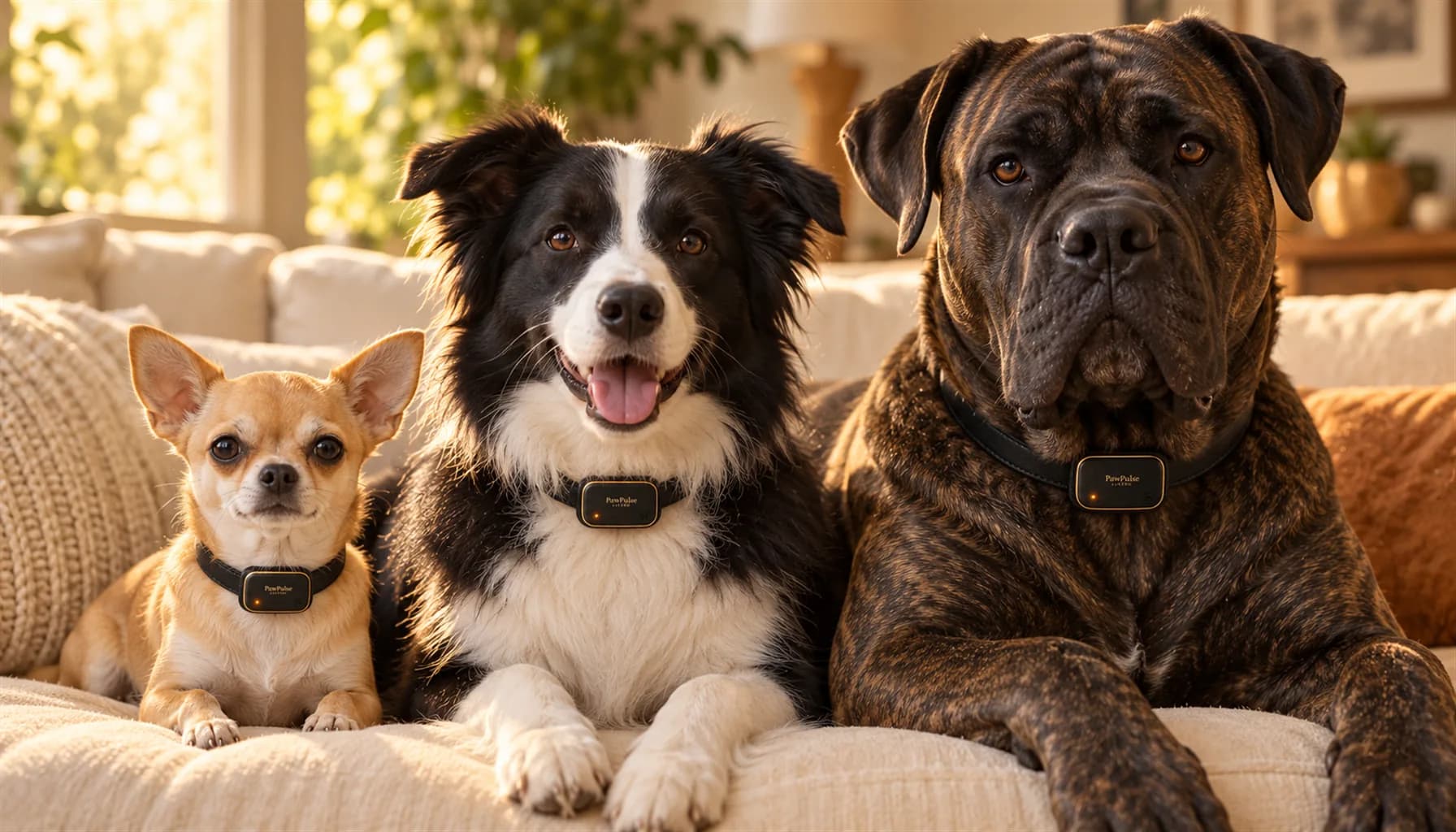
A Chihuahua and a Great Dane live at very different resting heart rates. Alerts built on breed averages will nag the owner of a calm, healthy dog and stay quiet for a dog whose numbers moved meaningfully but stayed inside a population range. What vets ask for is a comparison against that individual dog's own normal, built from weeks of data, so a change actually means something.
A Format Built for the Exam Room
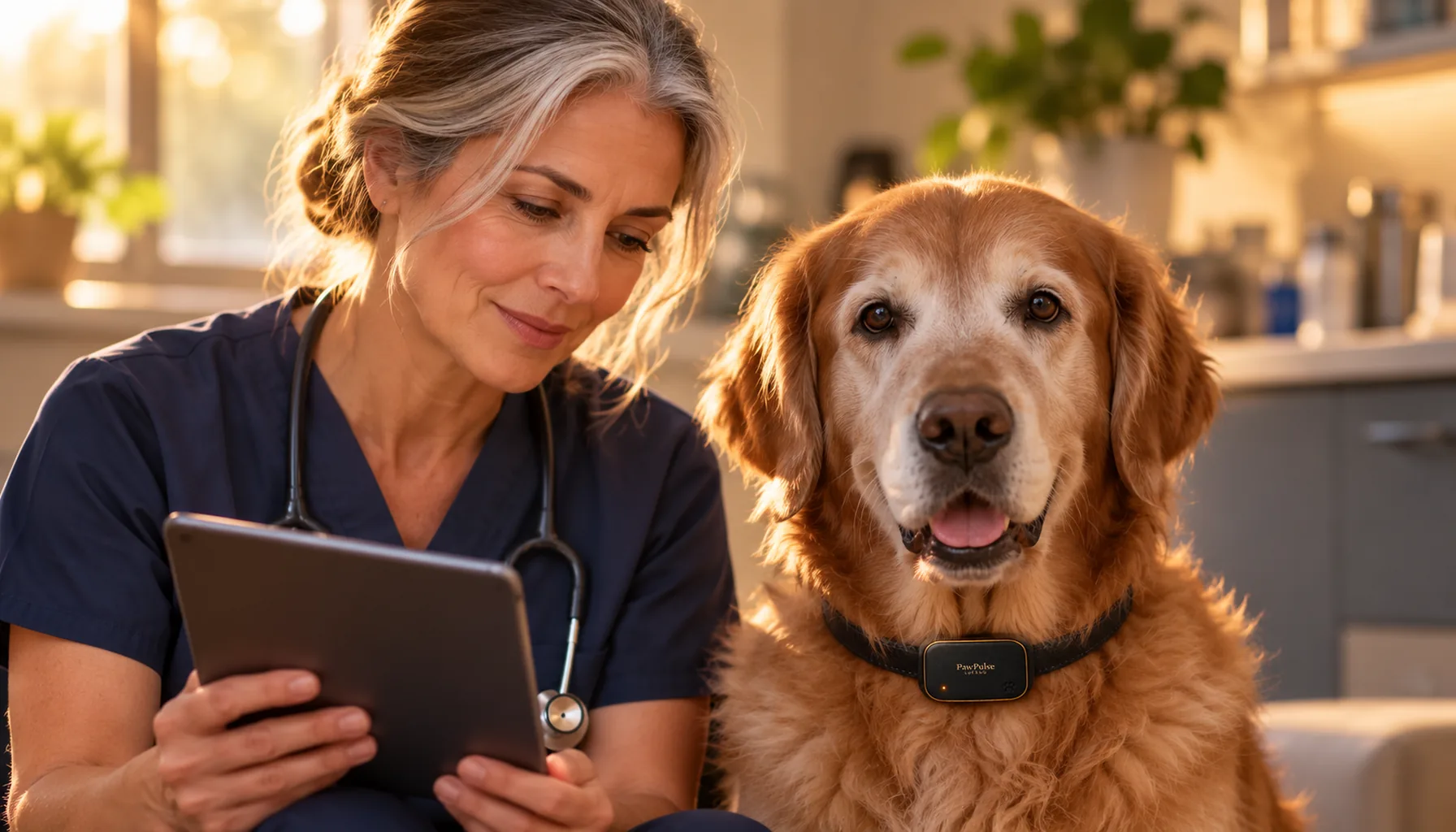
Useful data becomes useless if the vet has to scroll through a consumer app built for photos and badges. What they want is a trend line, the date something shifted, a comparison against baseline and a summary that can go into the patient record. That is the brief for the PawPulse Vet Dashboard, which we are building as a professional view rather than a "share with vet" button bolted onto an owner app.
Readings Taken at Home
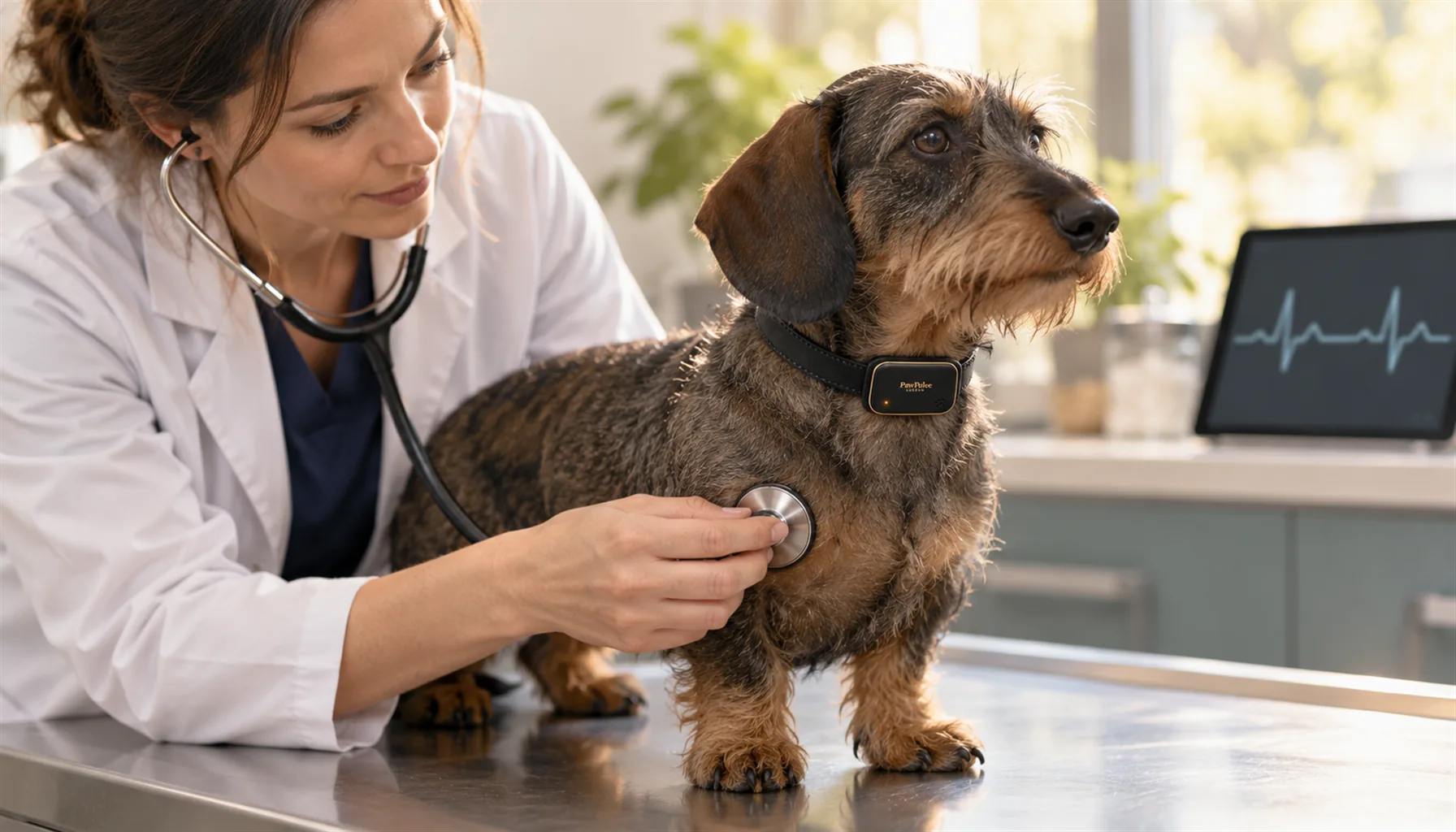
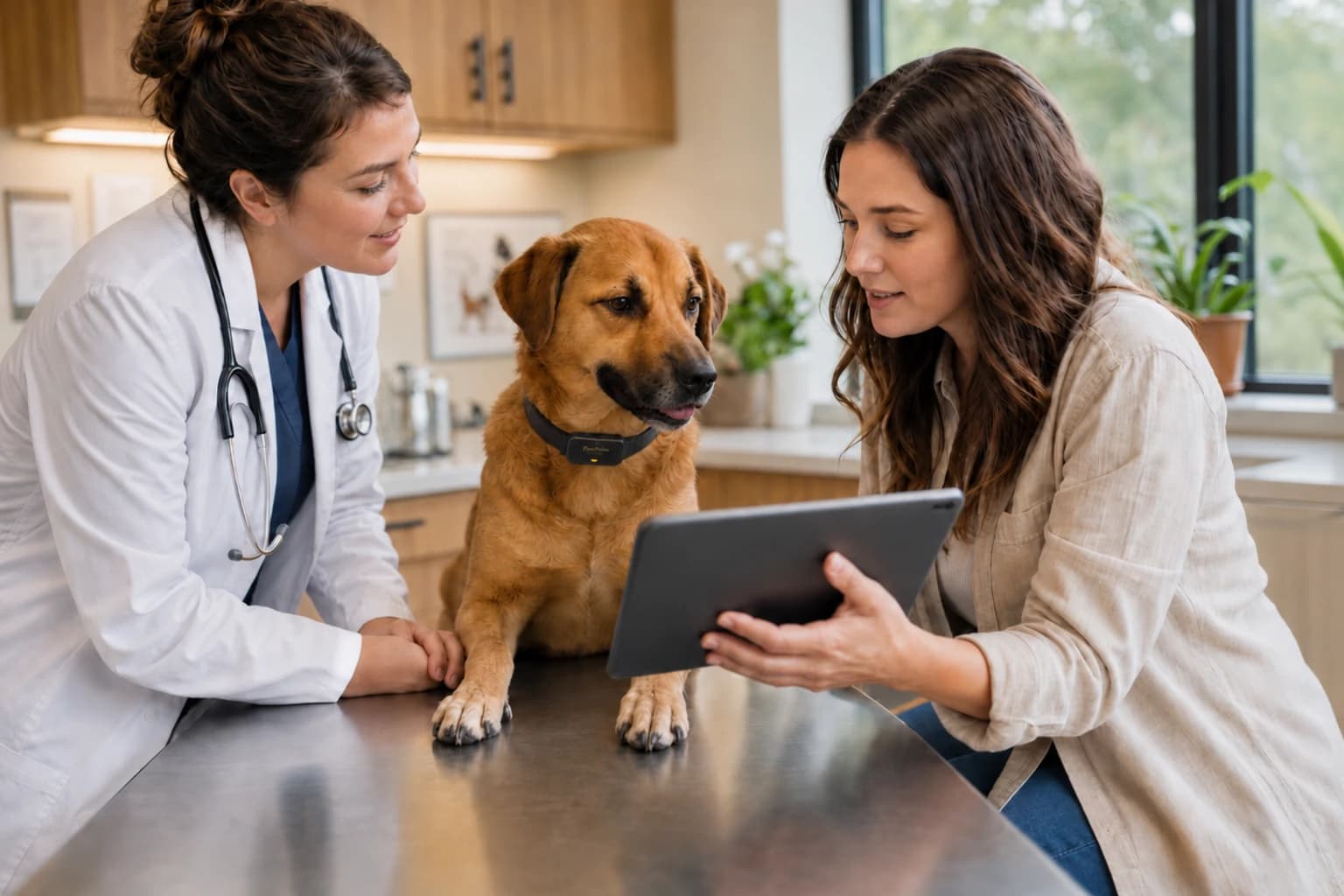
This is the one vets bring up first. A 2022 study in the Journal of Veterinary Behavior by Edwards and colleagues at the University of Adelaide put heart rate monitors on 30 dogs during a standard physical exam. Waiting-room heart rate averaged about 97 bpm. During the exam, a third of the dogs nearly doubled that, peaking at an average of about 180 bpm. Vets know their exam room changes the numbers. Resting readings taken on the dog's own bed tell a truer story.
Reliability on Every Coat
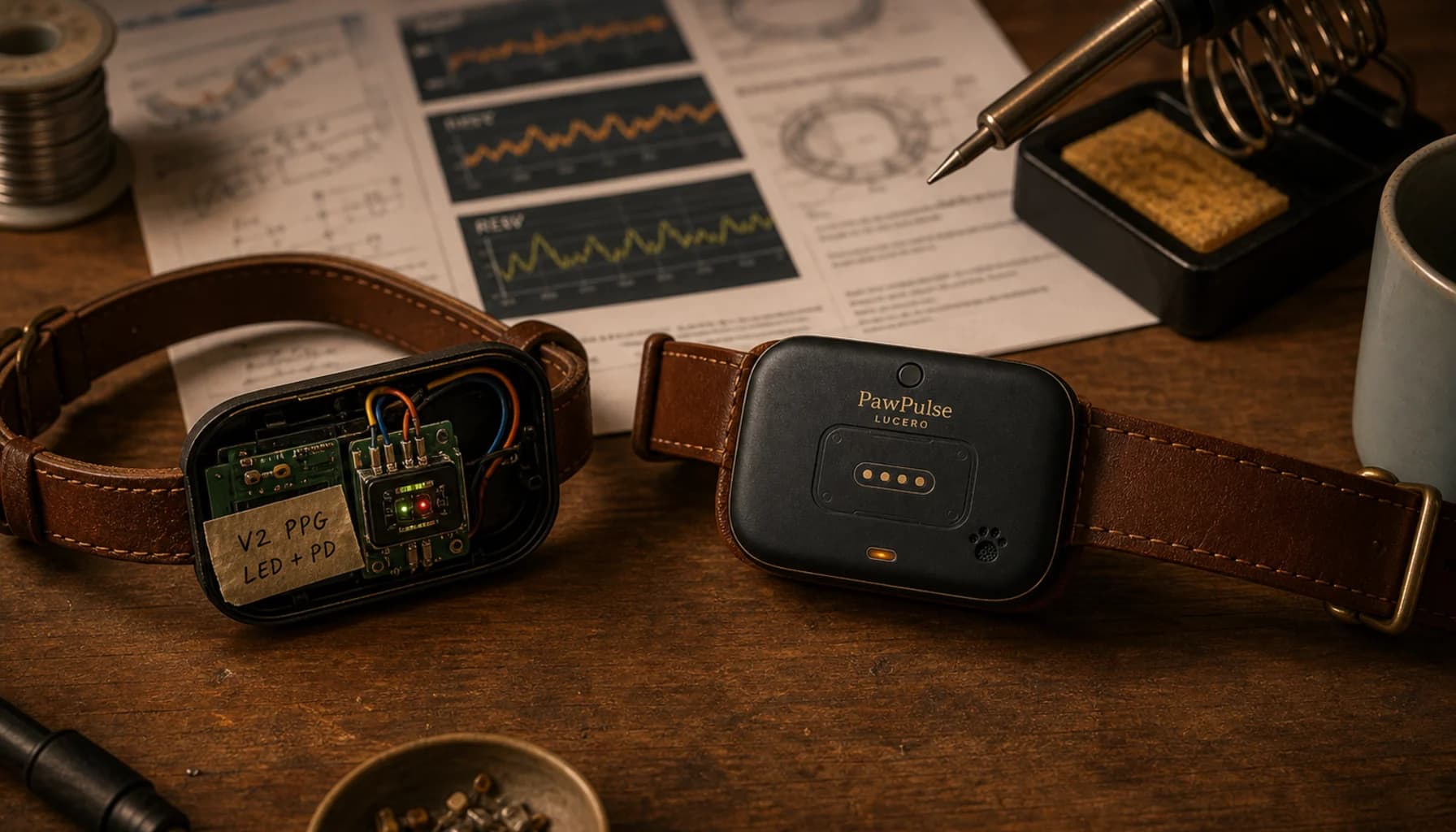
Optical heart rate sensors (the green light on a smartwatch) need light to reach skin and come back. Fur gets in the way. When we tested optical sensors on our own early prototypes, they worked on short coats sitting still and fell apart on Huskies, Goldens and Doodles. We wrote up the whole saga in why we removed the optical sensor. A general practice sees every coat type, so the sensor has to handle every coat type. That is why PawPulse Lucero uses Kinetic sensing, our millimeter-wave radar approach, instead of light.
Is Veterinary Telehealth Actually Growing?
Yes, carefully.
In 2022 the AVMA, Veterinary Study Groups and Merck Animal Health launched the Coalition for Connected Veterinary Care with more than 30 veterinary organizations and companies, with the stated goal of expanding patient care through wider use of telehealth. When the national veterinary association co-founds the effort, it is not a fringe idea anymore.
The rules are still a patchwork, though. A 2024 AAHA review of state telehealth laws counted 8 states that expressly allow a veterinarian-client-patient relationship (VCPR) to be established virtually, 19 that do not, and 22 where the language is unclear. The AVMA's position, quoted in the same piece, is that telemedicine works best in a hybrid model alongside in-person care, for follow-ups, triage and consults.
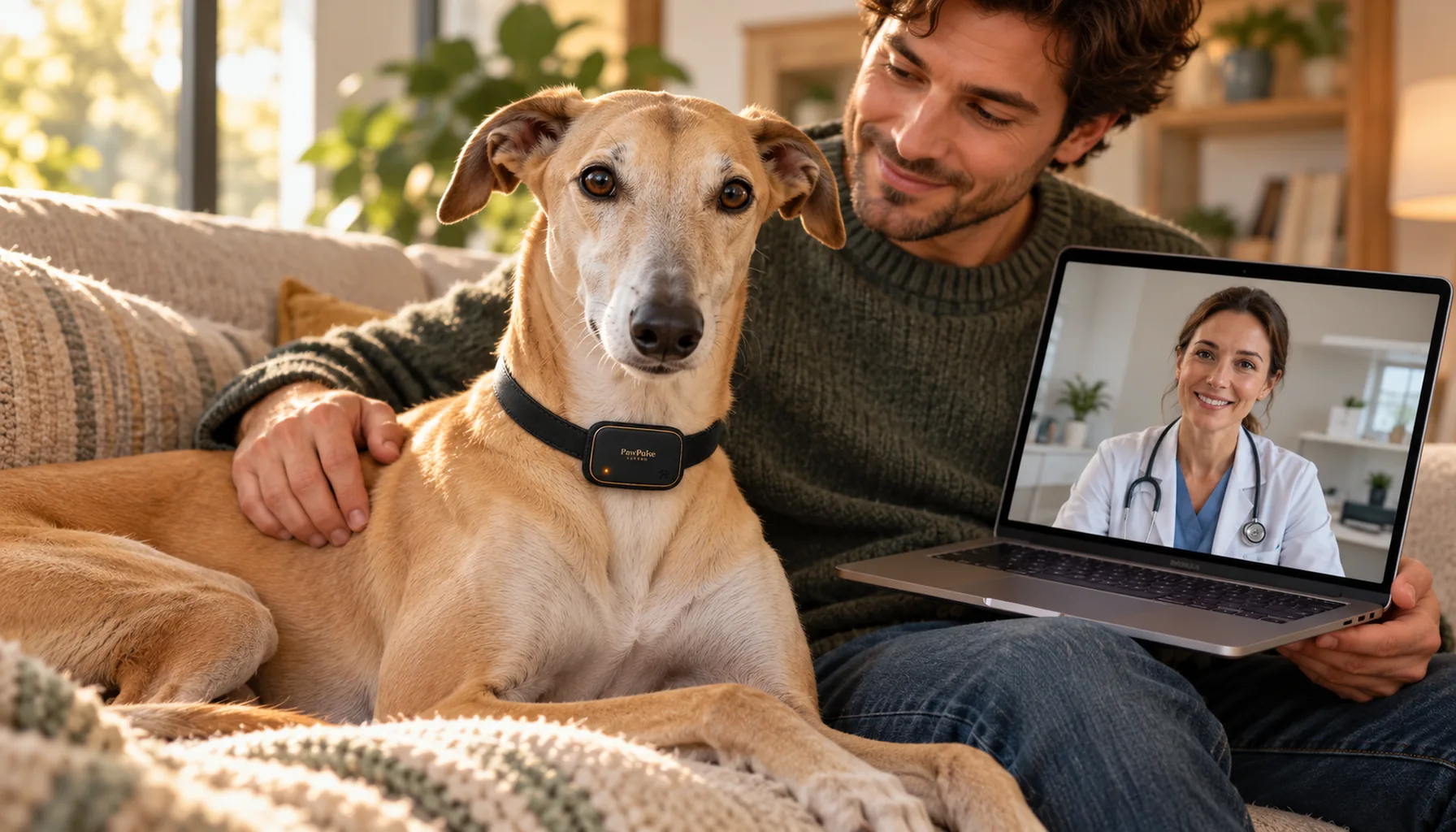
That hybrid model is exactly where home monitoring fits. Not replacing the exam. Feeding it. We dig into where this is heading in our post on the future of telemedicine for pets.