Key takeaway: Pet telemedicine is growing fast: Mordor Intelligence (2026) projects the veterinary telehealth market will reach about $802 million by 2031, with telemonitoring growing 19.6% a year. But a video call alone still runs on owner anecdotes. Continuous home data on heart rate, breathing, sleep and activity is what lets a vet review a trend instead of a guess.
Why Does Pet Telemedicine Still Run on Anecdotes?
Veterinary video calls went mainstream when getting to the clinic got hard. For a lot of situations, like triage, medication refills, behavior questions and simple post-op check-ins, the format works well enough.
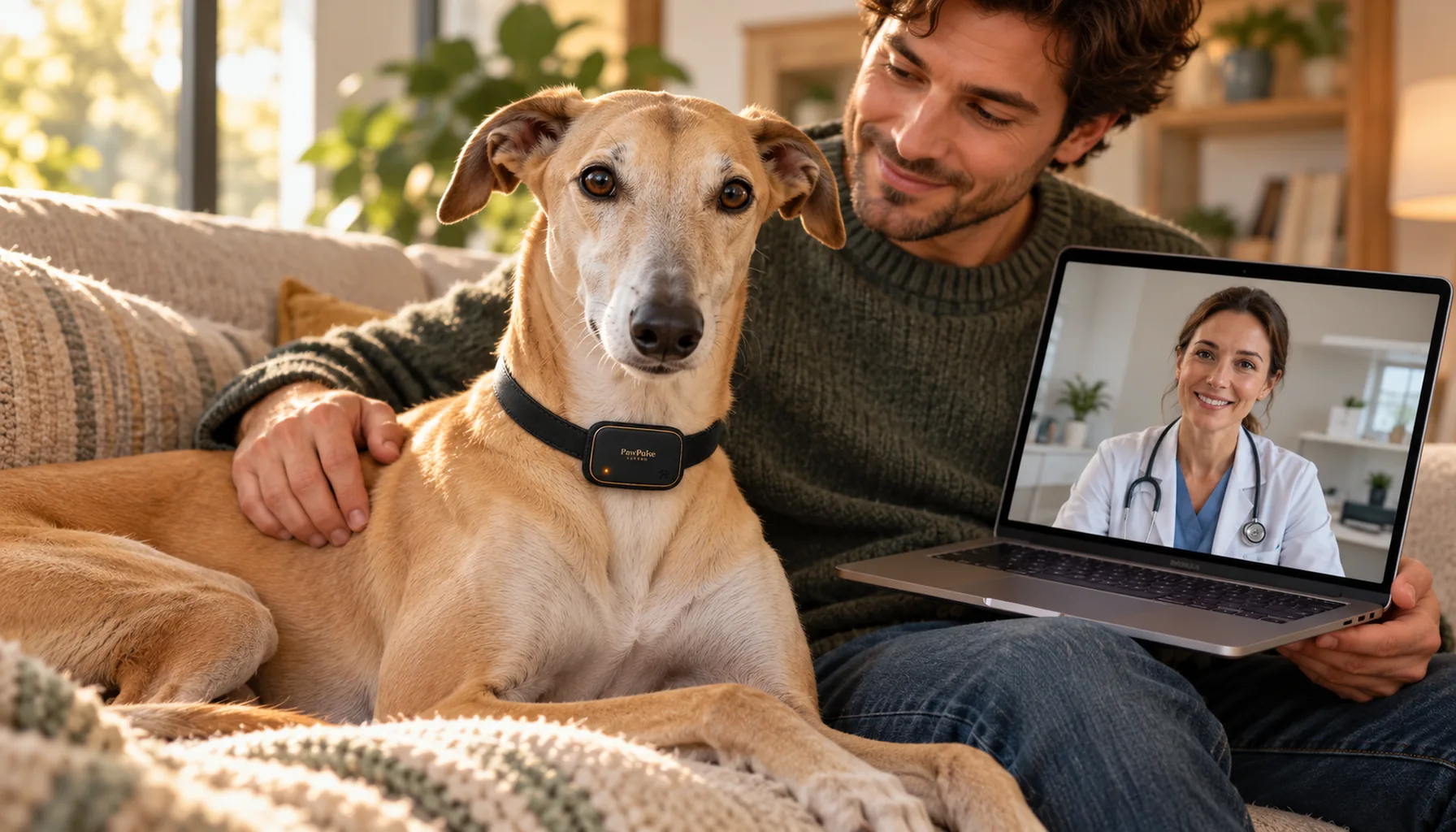
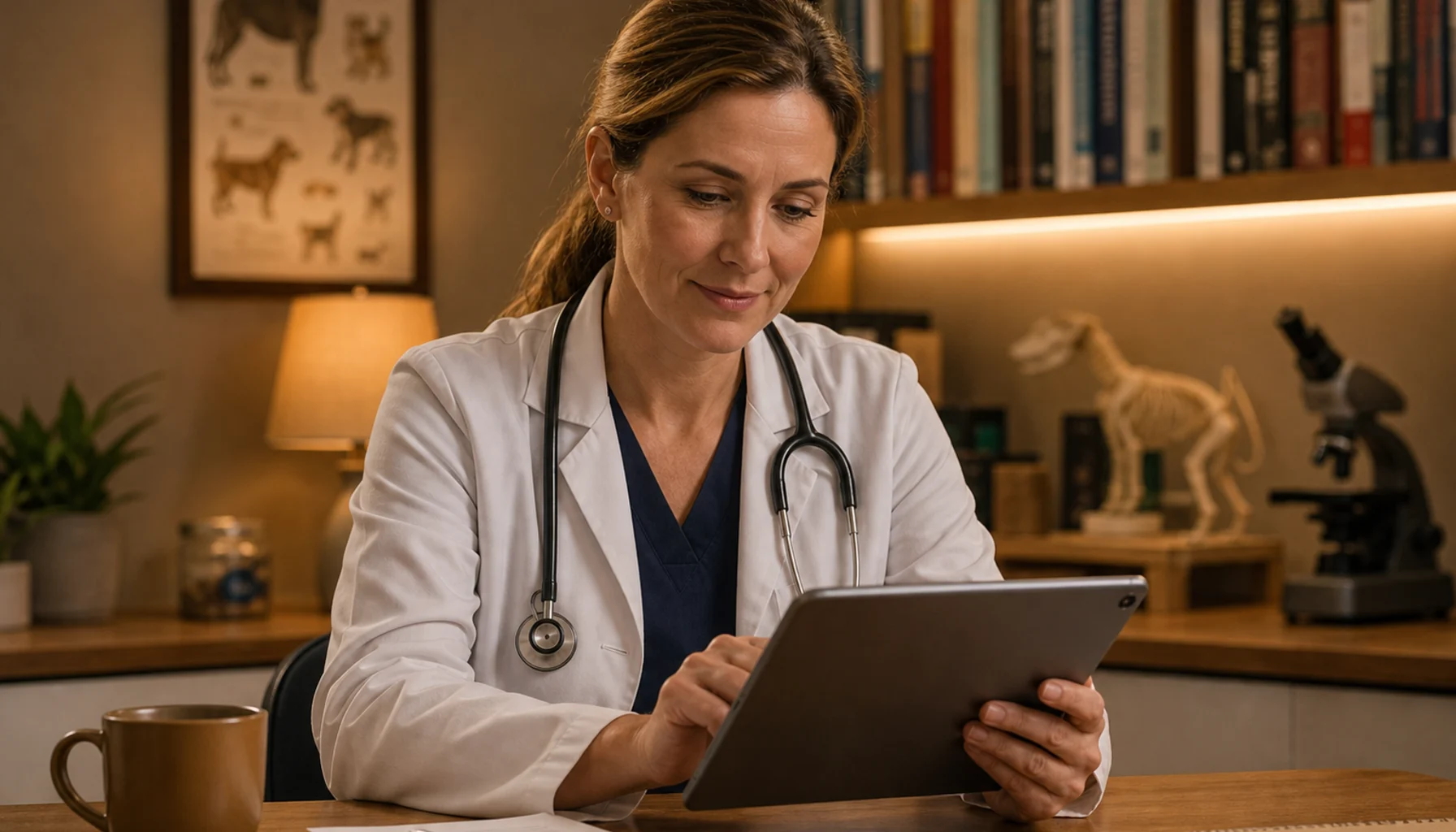
But there is a limit nobody has really solved. On a video call, the vet still relies on what you can show and tell. "He's been panting a lot." "She seems tired." "I think he's eating less." Those are the same anecdotes the vet hears in person, just delivered through a laptop camera instead of across an exam table.
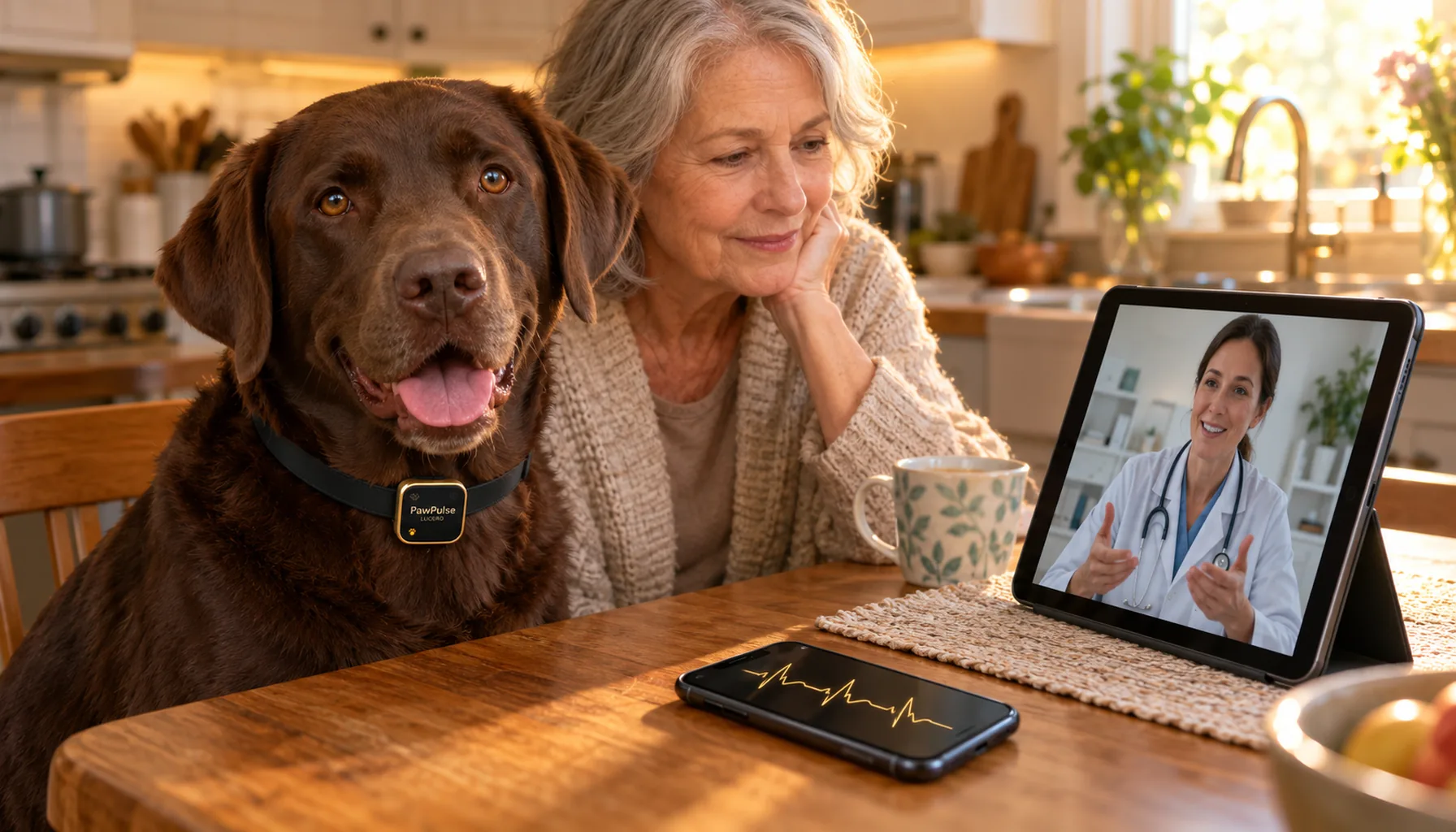
A vet on a video call can see your dog's posture, coat and gait. They cannot see your dog's resting heart rate over the past 10 nights, or whether breathing during sleep has crept up since last week. That is the gap we care about.
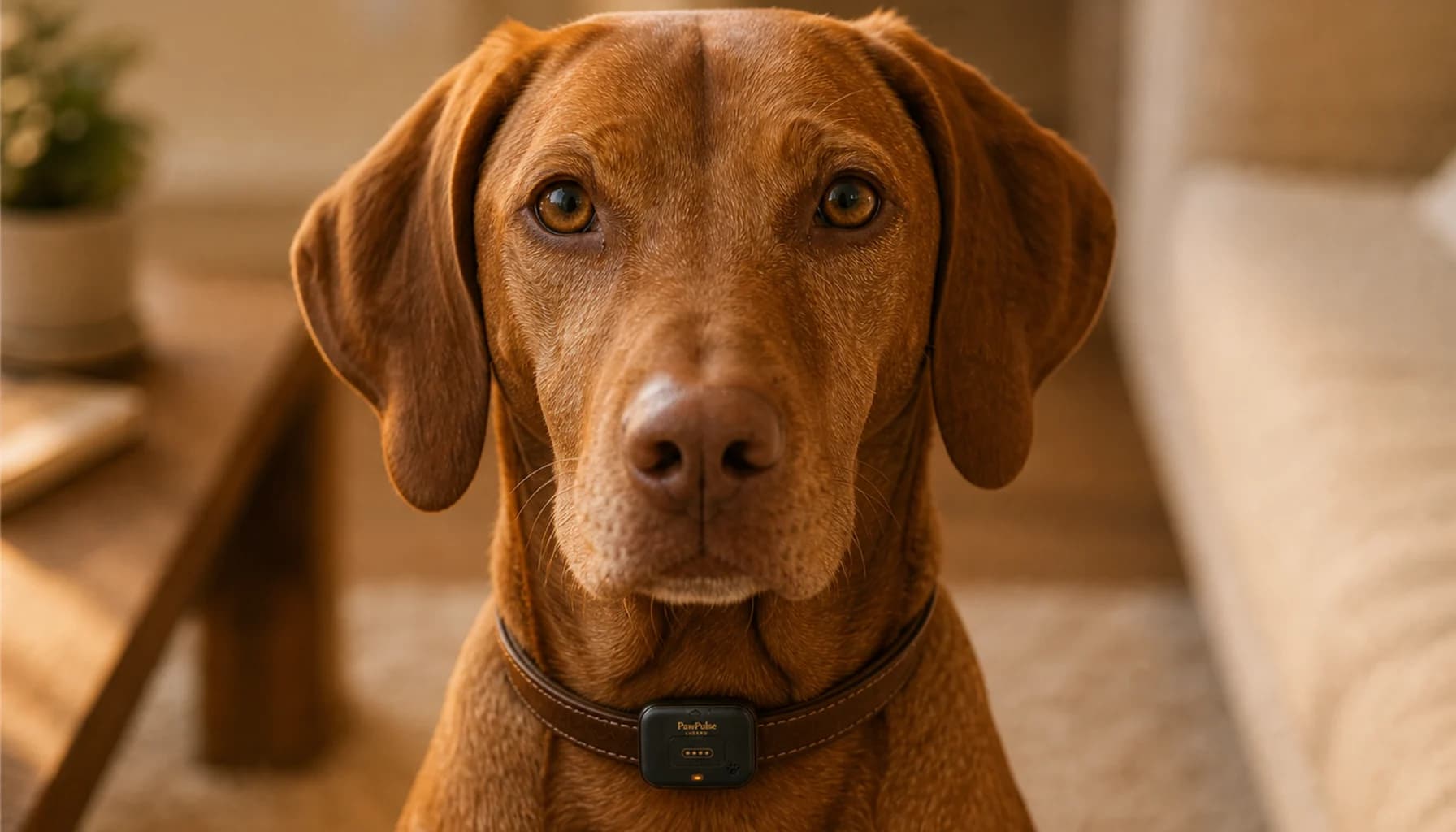
PawPulse, a smart dog collar with contactless heart rate and breathing monitoring, exists because we think home data should be part of that conversation. Market analysts see the same direction: in its 2026 veterinary telehealth market report, Mordor Intelligence projects the telemonitoring segment to grow at 19.6% a year through 2031, slightly ahead of the market overall.
What Does Pet Telemedicine Look Like Today?
Most of what gets called telemedicine falls into three tiers, and almost all of it sits in the first one.
| Tier | What It Is | What the Vet Gets | Usefulness for Follow-Up |
|---|
| Tier 1: Video consult | Owner describes symptoms on a live call | Verbal description plus what the camera shows | Low (a phone call with a camera) |
| Tier 2: Video plus clips | Owner shares recorded videos or photos | Visual evidence of a specific behavior | Moderate (better than memory) |
| Tier 3: Video plus continuous data | A wearable shares ongoing home trends | Heart rate, HRV, respiratory rate, sleep and activity against a personal baseline | High (objective and longitudinal) |
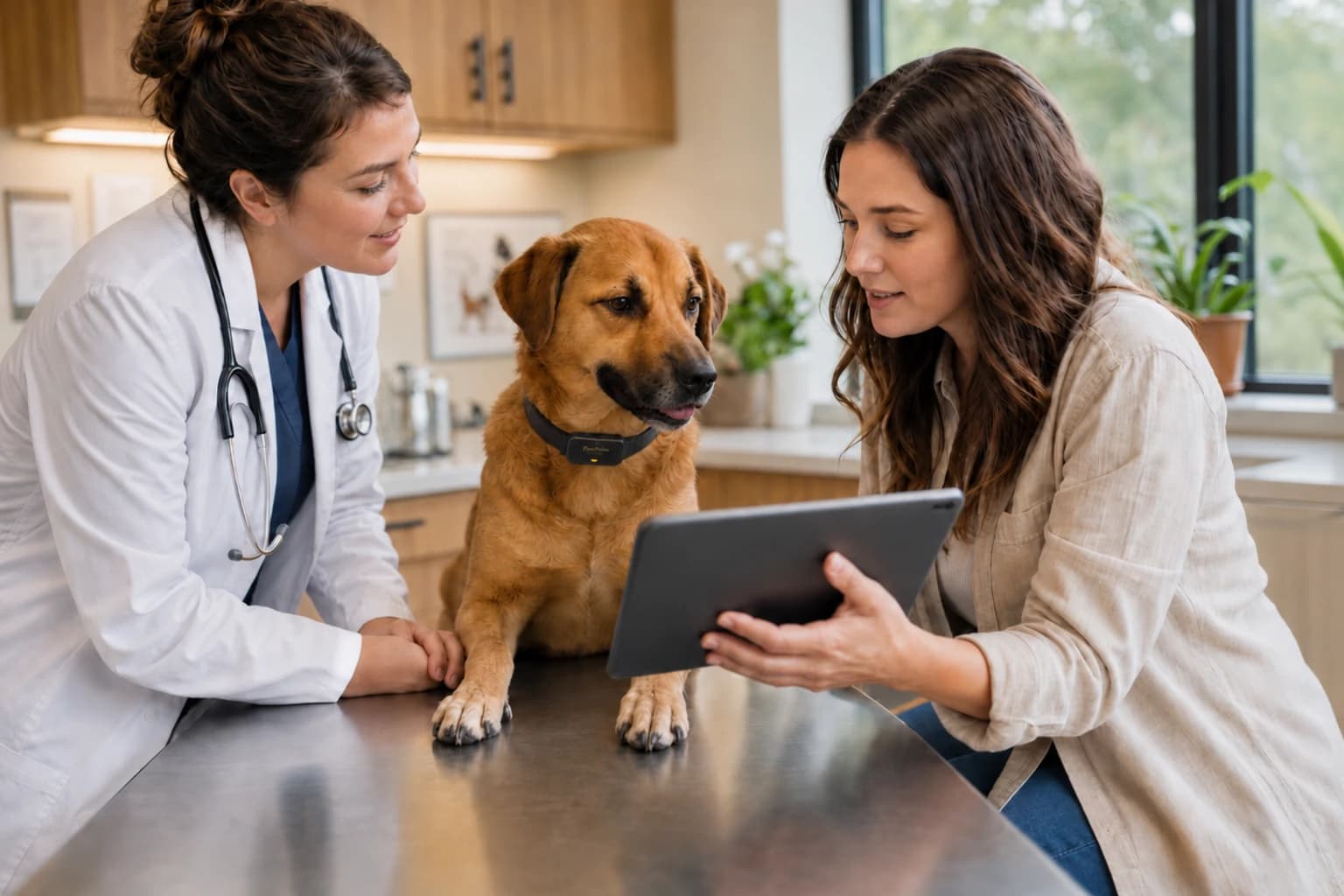
Many platforms let you upload photos or clips (Tier 2). Very few bring in continuous home data (Tier 3). The PawPulse Vet Dashboard is designed for Tier 3: the vet sees the same kind of trend data they would want in person, from wherever they are.
Does Video Actually Work for Rechecks?
There is real evidence that it can, at least for simple cases. A 2018 randomized trial in the Journal of the American Veterinary Medical Association compared video rechecks with in-clinic rechecks for 30 dogs after routine spay or neuter surgery. Owners were equally satisfied with both, and most owners who tried the video recheck said they would choose it again for similar appointments.
That is a small study on uncomplicated surgeries, and the authors said more research is needed. But it tells you the format itself is not the problem. The question is what the vet has to work with once the call starts.
Where Does Home Data Change the Visit?
The recheck that can happen from your couch
Your dog had surgery two weeks ago and the vet wants a recheck. Today that usually means a drive, a waiting room, and a short exam that ends with "looks good, keep going" or "let's run some tests."
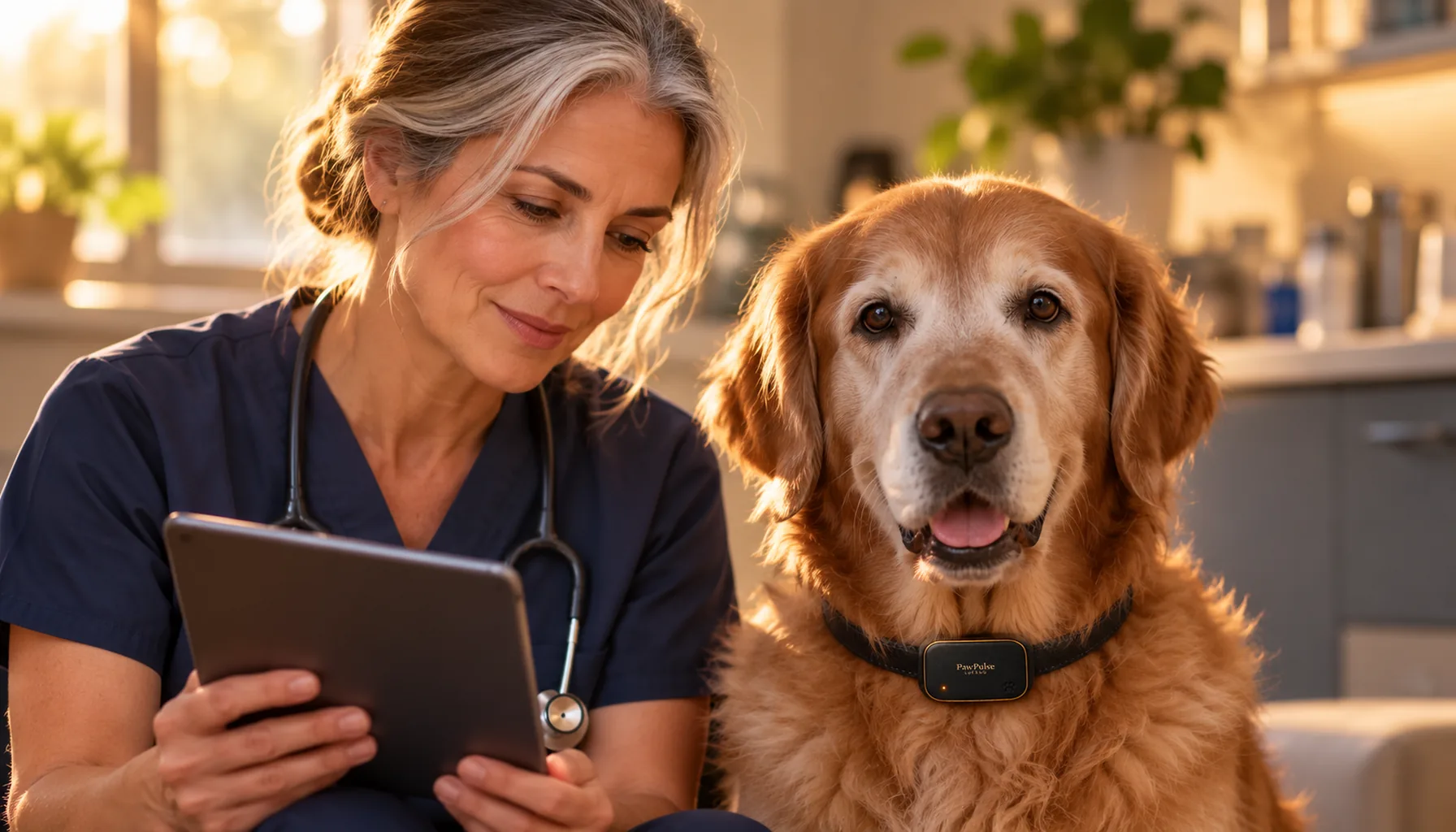
With continuous home data, the vet can review the recovery curve first: resting heart rate drifting back toward baseline, activity rebuilding on schedule, sleep settling down. If everything tracks, a short video call may be enough. If something does not track, the vet can see which metric moved and when, and ask you to come in for a focused exam.
We went deeper on reading recovery signals in our guide to knowing if your dog is in pain after surgery. The short version: the trajectory tells the story, and data makes that trajectory visible whether the vet is in the room or across the state.
The chronic condition that needs more than a quarterly check
A dog on heart medication. A senior with arthritis. A dog with early kidney changes. These conditions need ongoing attention, but booking a monthly visit just to check vitals is not realistic for most families.
Continuous data changes the rhythm. The PawPulse Lucero collar collects heart rate, breathing, sleep and activity every day, Prism AI compares them against your dog's own baseline, and the vet can review the trends at whatever interval makes sense for that dog. The dog gets looked at more often, with fewer car rides.
The owner who lives far from a clinic
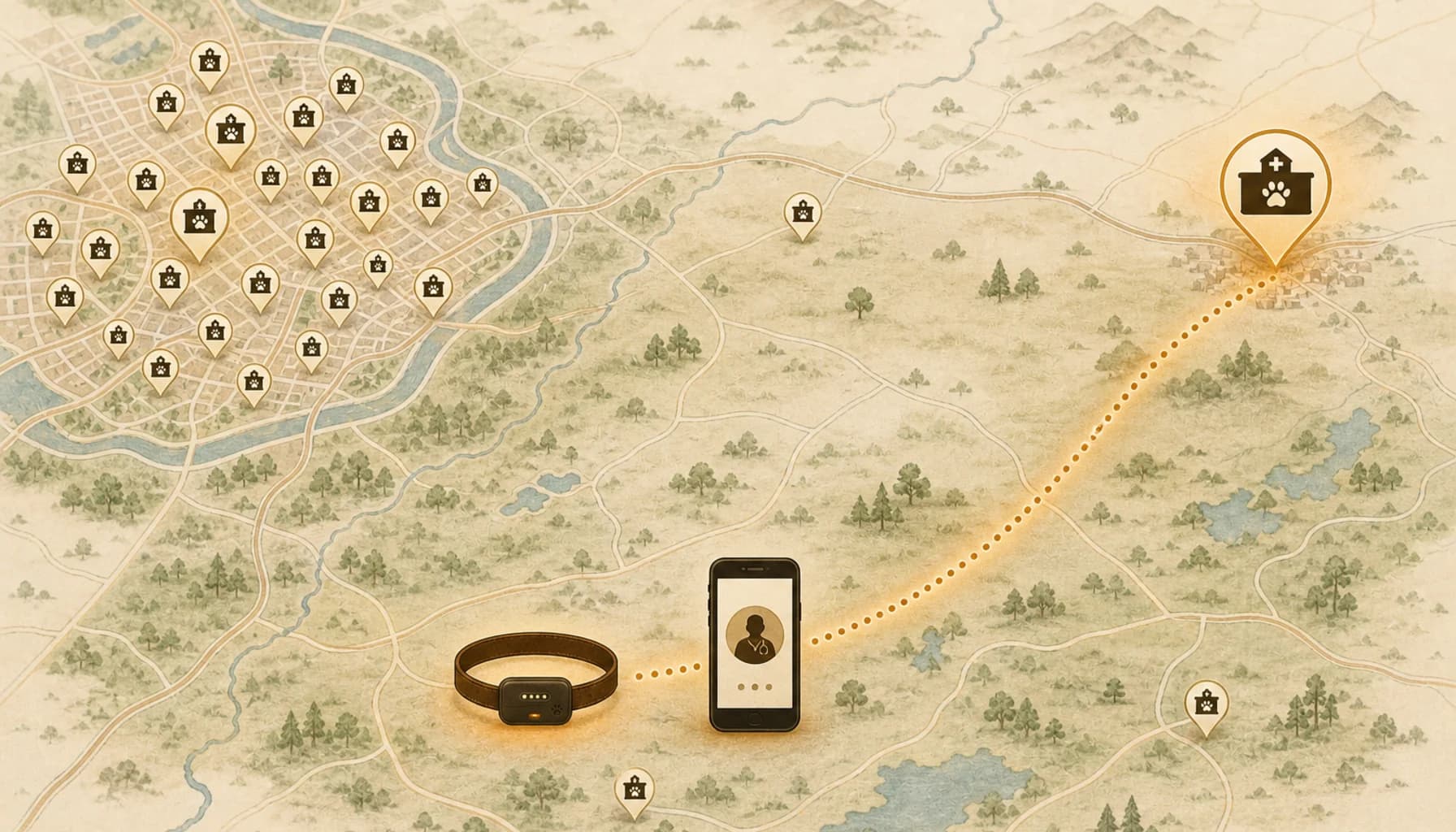
Rural owners often face longer drives and fewer appointment slots. For them, telemedicine is not a convenience. It can be the most practical option between in-person visits.
Home data is what makes that option useful rather than superficial. A vet 100 miles away can look at a dog's trends and give specific guidance that would be hard to offer from a description alone.
Is Veterinary Telemedicine Legal Where You Live?
It depends on the state, and the rules are moving. The key question is how a veterinarian-client-patient relationship (VCPR) gets started, because most prescribing requires one.
California went furthest. Under AB 1399, in effect since January 1, 2024, a veterinarian can establish a VCPR through a live audio-video exam as long as the animal is in California, according to the California Veterinary Medical Board.
Colorado took a different line. Its 2024 law, HB24-1048, lets a veterinarian use telehealth once a VCPR exists, but spells out that the relationship starts with an in-person, physical exam.
So the national picture is a patchwork. In most places, the realistic model today is an in-person visit to start the relationship and remote follow-ups after that. That happens to be exactly where home data helps most: the vet already knows your dog, and the trends show what changed since the last time they saw them.
What Has to Happen Next?
Telemedicine for pets is real, but it is still early. A few things need to come together before data-driven visits become normal.
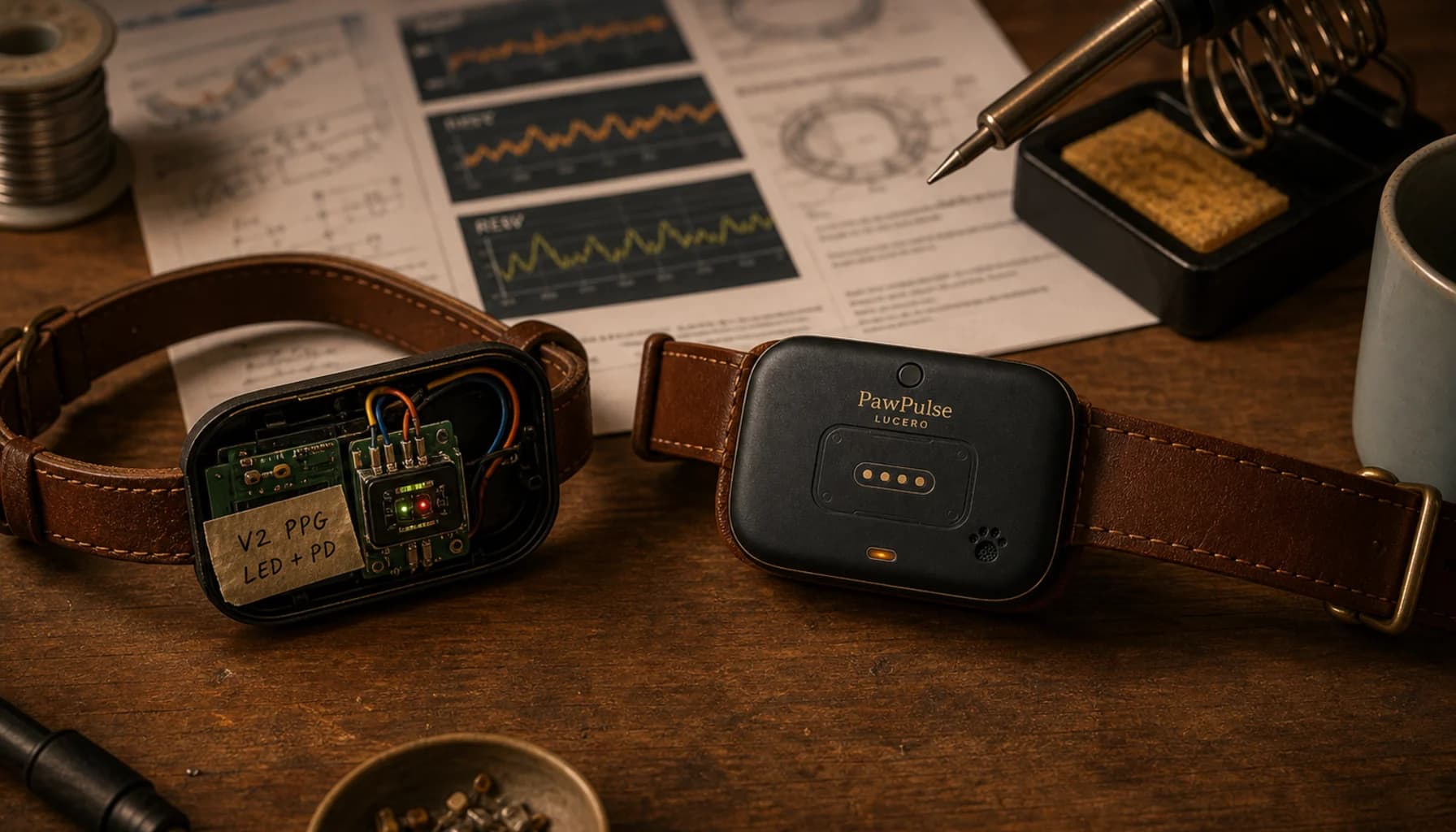
- Wearable data has to be trustworthy. That means sensing that works on every coat, which is why we built Kinetic sensing, our radar-based approach, instead of an optical sensor that struggles through fur. It also means personal baselines instead of one-size-fits-all thresholds.
- Data has to fit how vets work. Vets need trends, anomaly markers and exportable summaries, not a consumer fitness feed. Getting wearable data into practice records is an industry-wide problem, and one we want to help solve.
- The evidence base has to grow. A 2025 review in Animals (MDPI) on remote vital sensing in veterinary medicine found the technologies show great promise but still need refinement to work across different species and environments. We agree, and we plan to contribute to that research.
- The rules have to settle. Clear state guidance on telehealth, consent and data sharing lets clinics adopt remote follow-ups without guessing.
What Could a Data-Driven Vet Visit Look Like?
Here is a hypothetical example of how we picture it working.
Before the call. The vet opens the Vet Dashboard and reviews your dog's trends. Resting heart rate has sat about 14% above baseline for six days, HRV has dipped, and sleep has been more broken than usual. The vet knows when the change started and which metrics moved together.
During the call. Instead of "so, what's been going on?", the vet asks: "Your dog's resting heart rate has been up since last Tuesday and sleep has been restless. Did anything change at home around then?" The conversation is shorter and more specific.
After the call. The vet either asks you to bring your dog in for targeted tests, because the data narrows down what to look at, or recommends continued monitoring with another review in a week. The data keeps coming in without another appointment.
None of this replaces a hands-on exam. It means the vet starts the conversation with patterns instead of a blank page, which is the same idea behind our guide to what your vet wishes you would bring to every appointment.
Why Is Home Data Better Than an Exam-Room Reading?
Plenty of dogs find the clinic stressful. The car ride, the smells and the slippery table all push heart rate and breathing up, so the numbers taken in the exam room reflect the visit as much as the dog.
Home data does not have that problem. A resting heart rate measured while your dog sleeps on their own bed is a cleaner baseline than anything taken on an exam table. When a vet compares this week to last month, they are comparing like with like.
That is the quiet advantage of pairing telemedicine with continuous monitoring. Your dog stays home, relaxed, and the data stays honest. The PawPulse Lucero is built to sit in the background and collect that baseline without anyone having to think about it.
Frequently Asked Questions
What is veterinary telemedicine?
Veterinary telemedicine is veterinary care delivered remotely through video calls, messaging or shared health data. It ranges from a basic video consult, where you describe symptoms on screen, to ongoing remote monitoring, where home data from a wearable is shared with your veterinary team so they can follow trends between visits.
Can a vet examine my dog over a video call?
Partly. A vet can watch posture, gait, breathing effort and wounds on camera, and video works well for triage, follow-ups and simple post-surgical rechecks. Many conditions still need hands-on exams and lab tests. Home trend data helps the vet decide whether your dog needs to come in and what to check first.
Is veterinary telemedicine legal?
It depends on where you live. California has allowed vets to start a veterinarian-client-patient relationship by live video since January 2024, while Colorado requires an in-person exam first and allows telehealth afterward. Ask your clinic what your state permits, especially for prescriptions and new patients.
How big is the veterinary telehealth market?
Mordor Intelligence's 2026 report projects the veterinary telehealth market to grow from about $336 million in 2026 to about $802 million by 2031, roughly 19% a year. It expects telemonitoring, meaning remote monitoring with connected devices, to grow slightly faster at 19.6% a year.
Are video rechecks as good as in-clinic rechecks?
For simple cases, owners seem to think so. A 2018 randomized trial of 30 dogs in the Journal of the American Veterinary Medical Association found owners equally satisfied with video and in-clinic rechecks after spay or neuter. It was a small study, and complex cases still benefit from an in-person exam.
How does PawPulse support telemedicine?
The PawPulse Vet Dashboard is designed to let your vet review your dog's heart rate, HRV, respiratory rate, sleep and activity trends against a personal baseline, with your permission. That turns a video call from a symptom description into a review of real home data, before, during and after the appointment.
Learn more about the PawPulse Lucero and the PawPulse Vet Dashboard, built so your vet can see how your dog is really doing at home, whether the next visit happens in the clinic or on a screen.
-- The PawPulse Team