Key takeaway: Heart rate variability (HRV) measures the tiny variations between consecutive heartbeats and is one of the earliest indicators of stress, pain, and disease in dogs and cats. Reduced HRV has been linked to heart disease, chronic pain, sepsis, diabetes, and obesity in veterinary research, yet most pet owners have never heard of it because it previously required a 24-hour Holter monitor to measure.
Your Dog's Heart Rate Is Only Half the Story
Most pet owners know their dog's resting heart rate matters. Fewer know that the variation between those heartbeats matters even more.
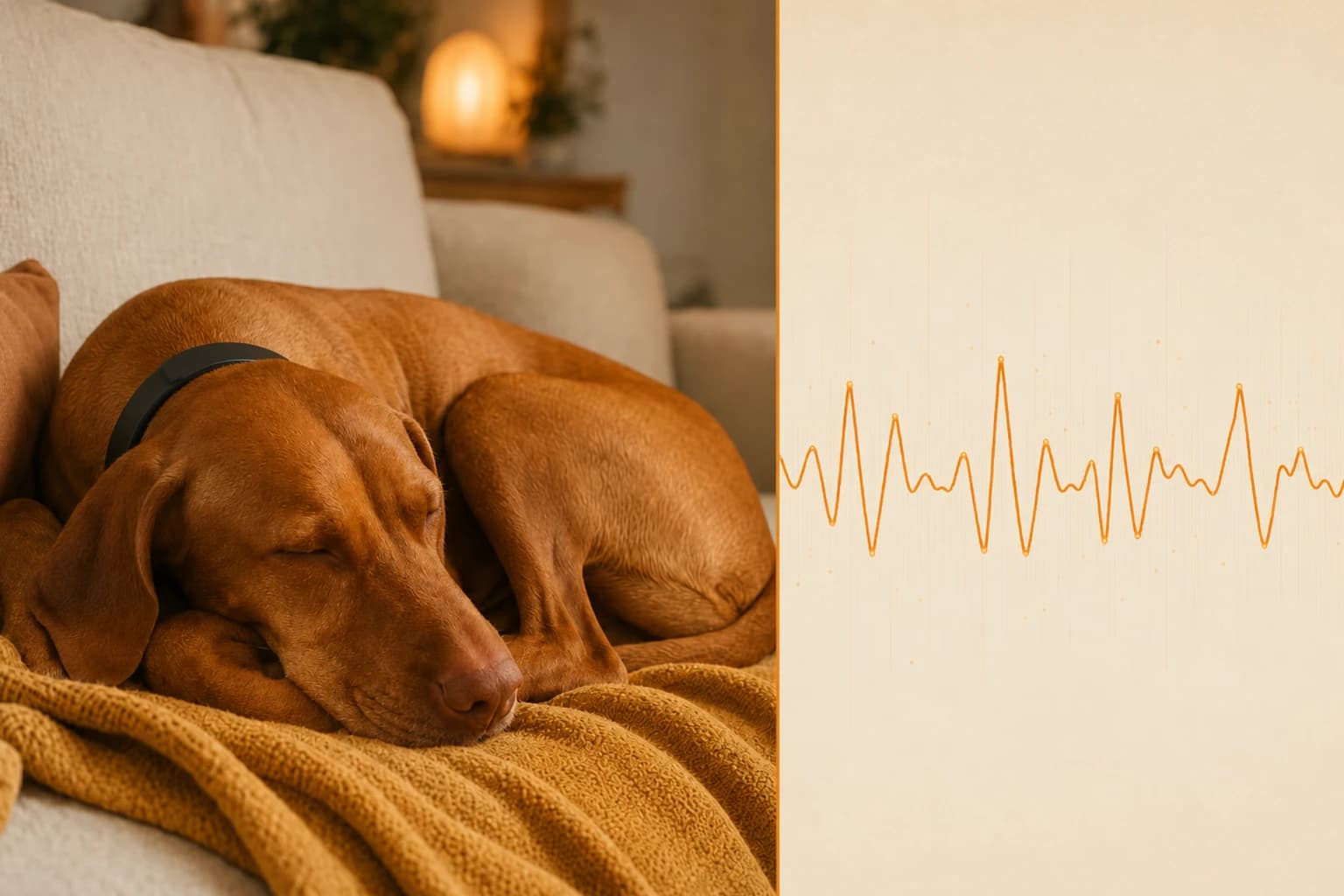
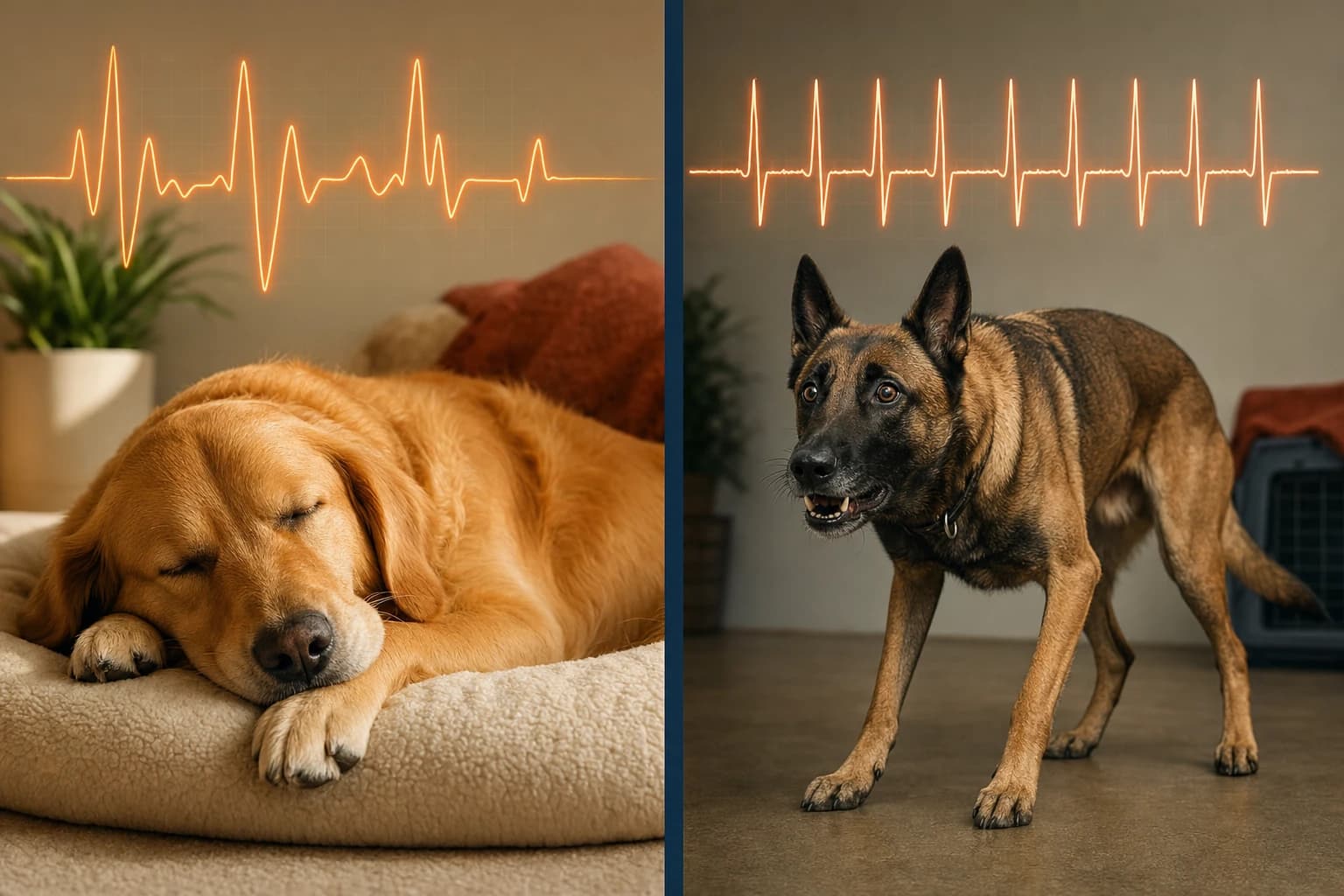
Heart rate tells you how fast the heart is beating. Heart rate variability tells you how well the nervous system is regulating that heartbeat. A healthy dog's heart doesn't beat like a metronome. There are tiny, natural fluctuations between each beat, measured in milliseconds, that reflect the balance between the sympathetic nervous system (fight-or-flight) and the parasympathetic nervous system (rest-and-digest).
High HRV means the nervous system is flexible, responsive, and healthy. Low HRV means the body is under sustained stress, whether from pain, illness, anxiety, or disease, and the nervous system has lost its ability to adapt.
This distinction is invisible during a standard vet exam. And it's one of the most powerful early warning signals in veterinary medicine.
What HRV Actually Measures
The Autonomic Nervous System in 30 Seconds
Your dog's heart is controlled by two competing branches of the autonomic nervous system. The sympathetic branch accelerates it (stress, exercise, fear). The parasympathetic branch, primarily the vagus nerve, slows it down (rest, digestion, recovery). In a healthy animal, these two systems constantly push and pull against each other, creating natural variability in the time between heartbeats.
When a dog is relaxed and healthy, parasympathetic tone is high. The heart speeds up slightly on inhalation and slows down on exhalation. This breath-to-breath variation produces high HRV, a sign that the nervous system has plenty of capacity to respond to whatever comes next.
When a dog is stressed, in pain, or fighting illness, the sympathetic system dominates. The heart beats faster and more rigidly. The natural variability shrinks. HRV drops.
Why This Matters More Than Heart Rate Alone
A dog's heart rate can be 80 BPM and appear completely normal. But if the HRV behind that 80 BPM has been declining for a week, the autonomic nervous system is telling a different story. A systematic review published in PMC confirmed that HRV is a reliable measure of autonomic reactivity to pain, with reduced variability observed across multiple chronic pain conditions.
Heart rate is a snapshot. HRV is a trend. And trends catch problems that snapshots miss.
What Reduced HRV Can Reveal in Dogs and Cats
Published veterinary research has linked reduced HRV to a range of conditions that would otherwise go undetected between annual vet visits:
| Condition | What HRV Shows | How Early |
|---|
| Chronic pain (arthritis, hip dysplasia) | Sustained sympathetic dominance, reduced parasympathetic tone | Days to weeks before behavioral changes become obvious |
| Heart disease | Loss of beat-to-beat variability, arrhythmia precursors | Potentially months before clinical symptoms |
| Stress and anxiety | Acute sympathetic spikes, suppressed vagal tone | Within minutes of onset |
| Sepsis and infection | Dramatic HRV collapse | Hours before other clinical signs |
| Obesity | Chronically reduced variability | Ongoing, correlates with metabolic strain |
| Post-surgical complications | Failure of HRV to recover toward baseline | Within 24-48 hours post-surgery |
A study published in Frontiers in Veterinary Science on early detection of subclinical heart disease using nonlinear HRV analysis found that HRV changes appeared before conventional clinical signs in a canine cardiomyopathy model. The authors concluded that HRV could be measured at home, where pets feel most comfortable, making it an ideal method for early disease detection outside the clinic.
Why Vet Visits Miss It
The 15-Minute Problem
A standard veterinary exam lasts roughly 15 minutes. During that time, your dog is in an unfamiliar environment, surrounded by strange smells and other animals, often with elevated stress. Research published in the Journal of Veterinary Behavior found that approximately 41% of dog owners report their dogs show signs of fear during veterinary exams, and heart rate measurements taken in the clinic are frequently elevated by the visit itself.
HRV measured in that context is unreliable. The reading reflects the stress of the exam, not the dog's true baseline. It's like measuring your blood pressure after running up three flights of stairs and using that number to diagnose hypertension.
The Holter Problem
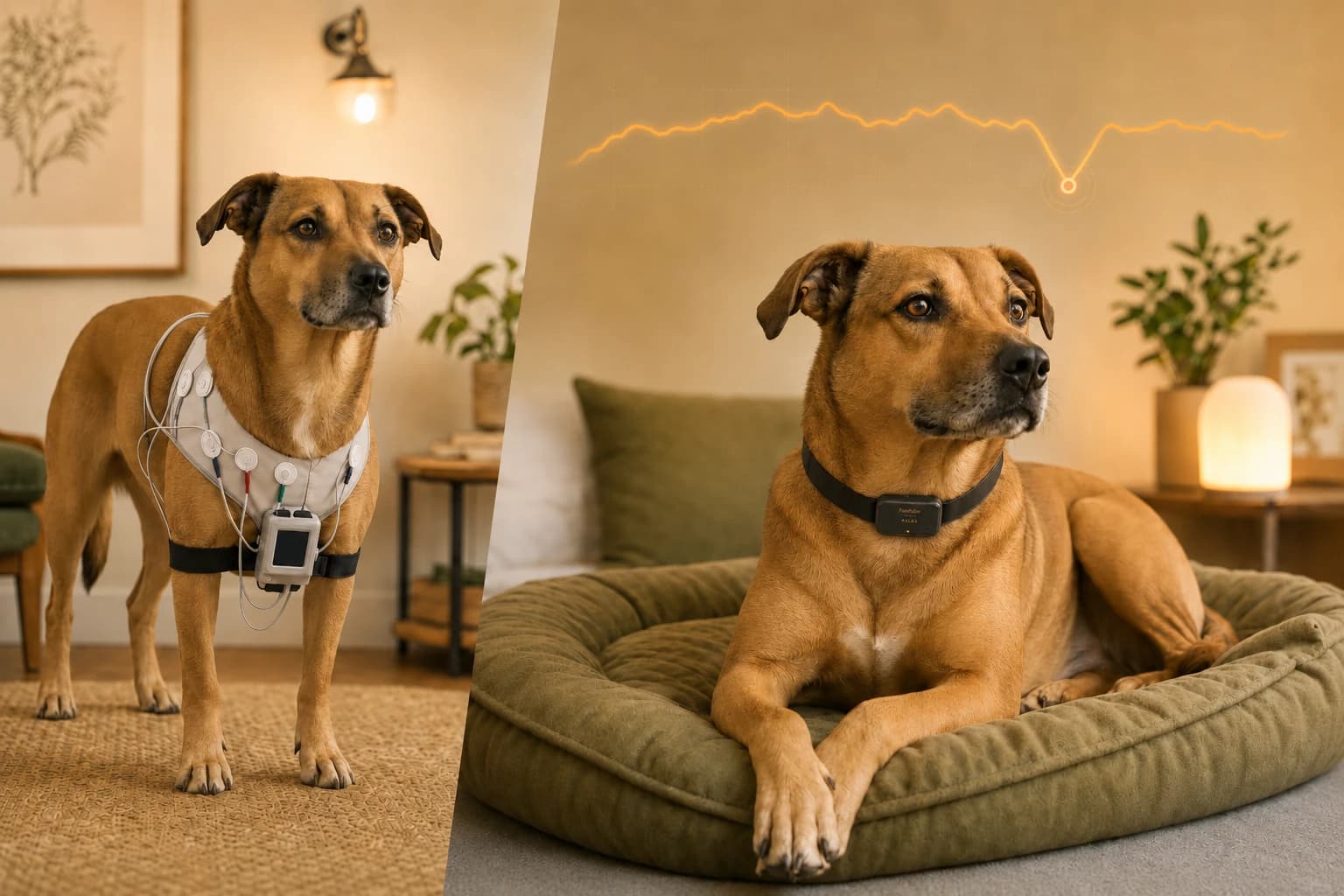
Until recently, the only way to measure HRV accurately in dogs was with a Holter monitor: a bulky, electrode-based device strapped to the dog's chest for 24 hours. It requires a vet visit to attach, another to remove, costs $200-400 per session, and produces a single day of data. A concise review published in PMC on HRV for small animal veterinarians noted that recording duration, time of day, animal stress during recordings, and animal size all affect results, making single-session Holter data difficult to interpret without a baseline for comparison.
No pet owner is going to Holter-monitor their dog every month. So the most useful biomarker in veterinary medicine has been, until now, impractical for routine use.
That is beginning to change. Long-term, in-home measurement is what makes a personalized baseline possible, one shaped by age, body weight, breed and daily rhythm, which a single clinic reading never could. Large real-world datasets like that are what move HRV from a research curiosity toward an everyday early-warning signal.
How PawPulse Makes HRV Practical
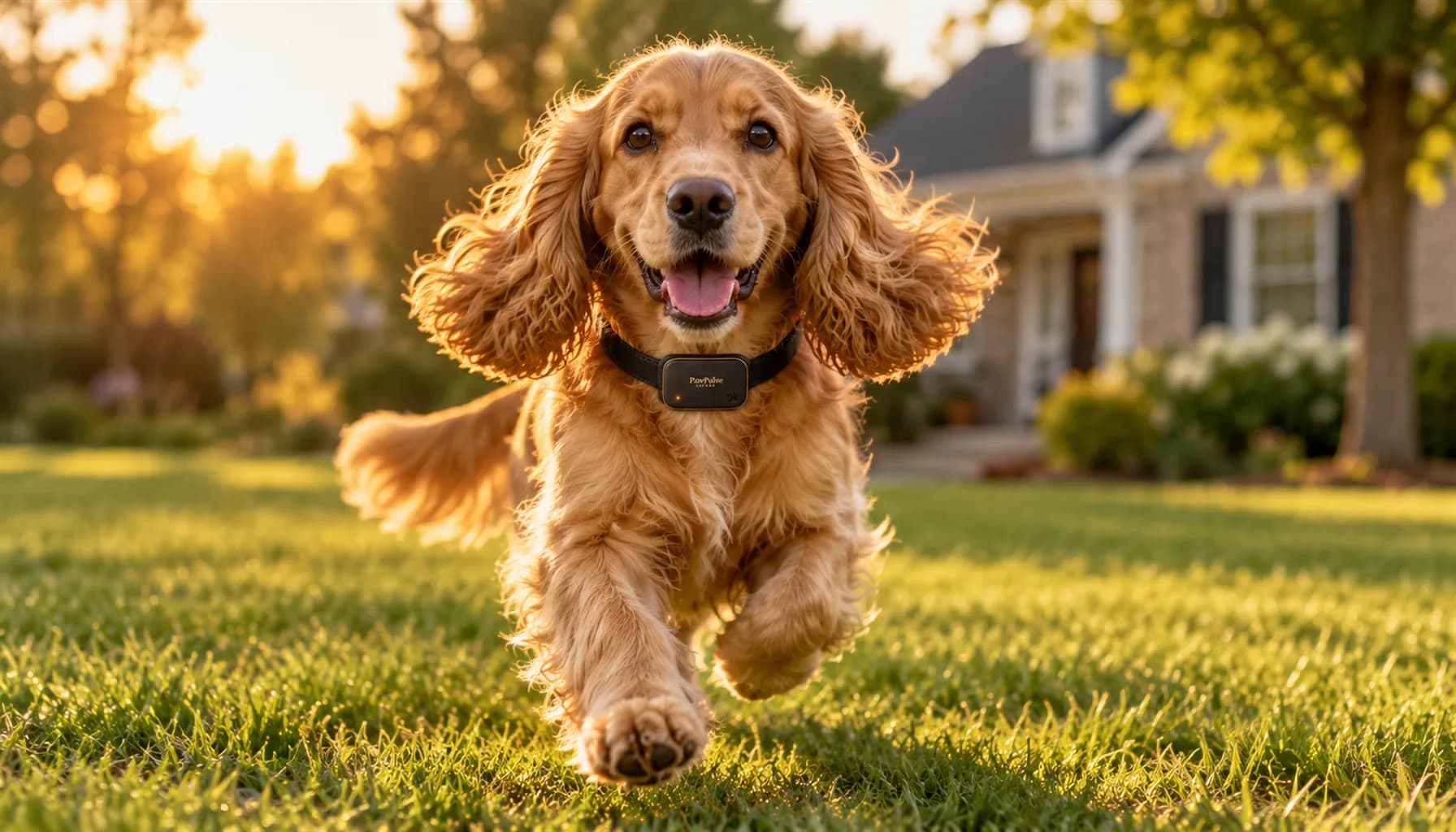
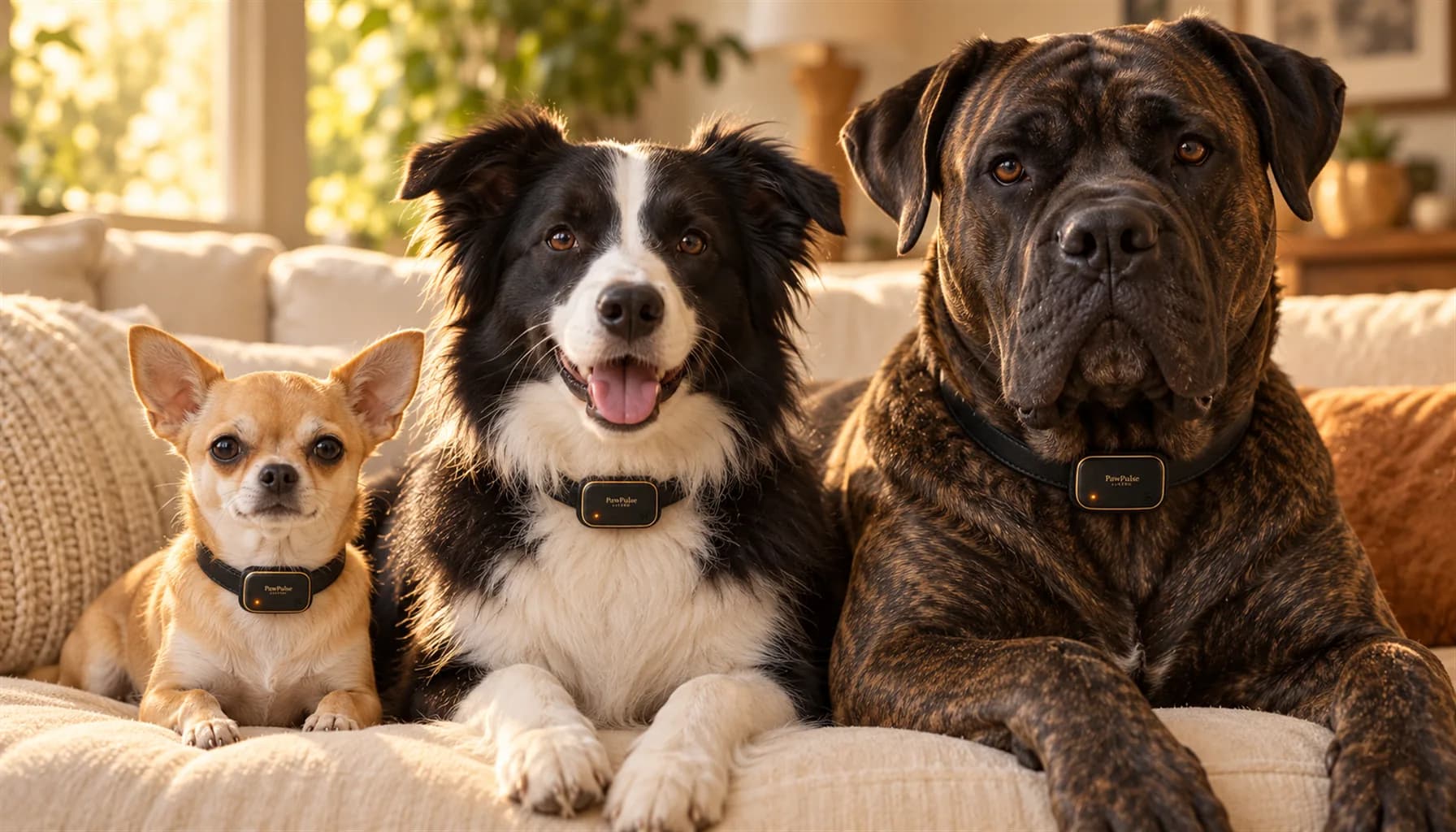
PawPulse's 60GHz radar sensor measures heart rate variability continuously, 24 hours a day, contactless and without electrodes, without your dog knowing it's happening. Because the radar picks up the tiny chest movement of every heartbeat, it can follow HRV trends on any coat.
Baselines That Actually Mean Something
A single HRV reading is interesting. Four weeks of continuous HRV data reveals a trend. Prism Insights AI learns your individual dog's or cat's normal HRV pattern, accounting for their breed, size, age, activity level, and daily rhythms. When HRV deviates from that personal baseline, not a generic breed average, the system flags it.
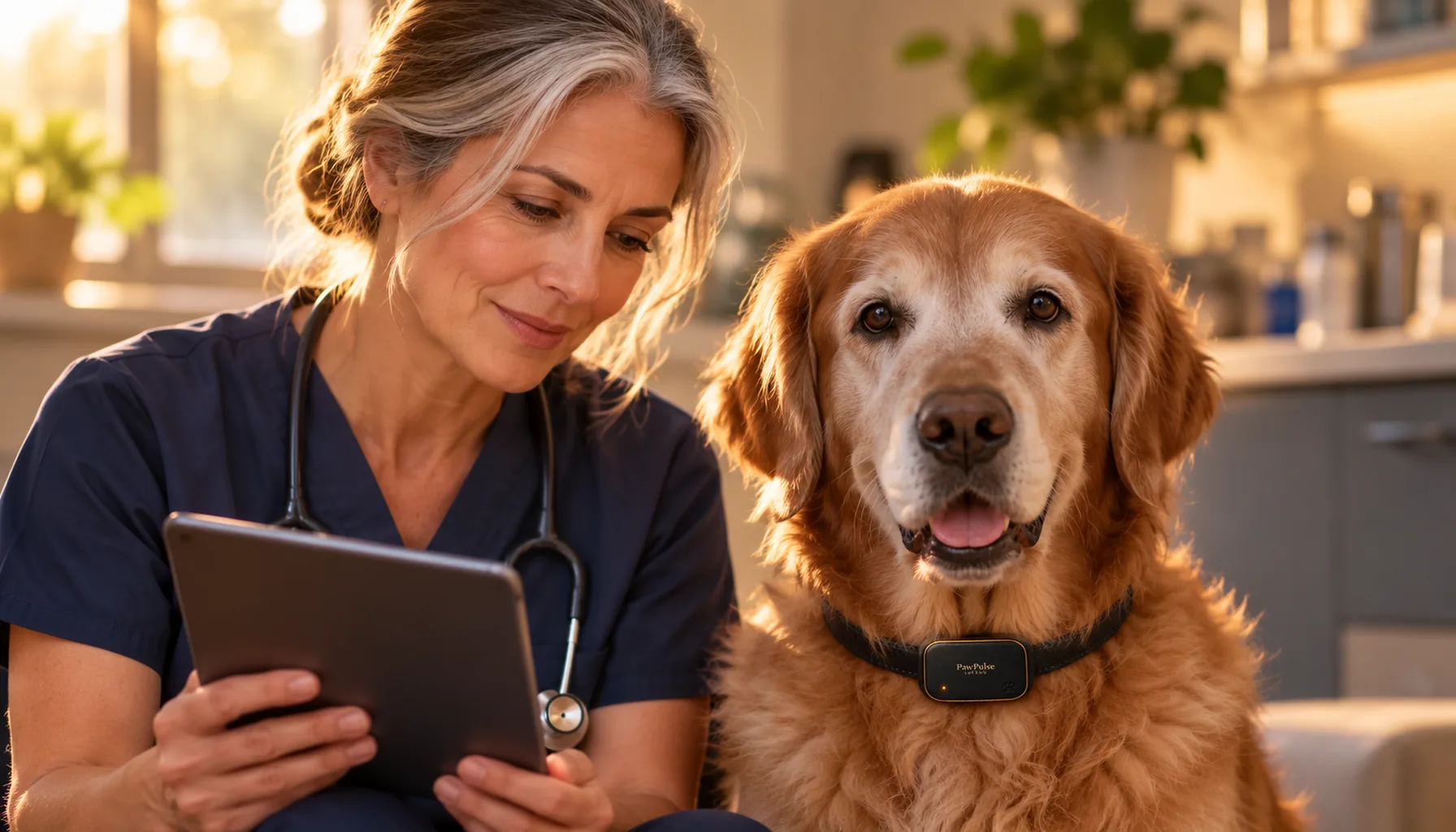
This is what transforms HRV from a research tool into a practical, everyday signal you can act on. Your vet doesn't need to interpret raw HRV data. They see: "HRV declined 22% from this dog's personal baseline over the past 9 days, with concurrent decrease in activity." That's an actionable finding, not a data dump.
What the Data Looks Like in Practice
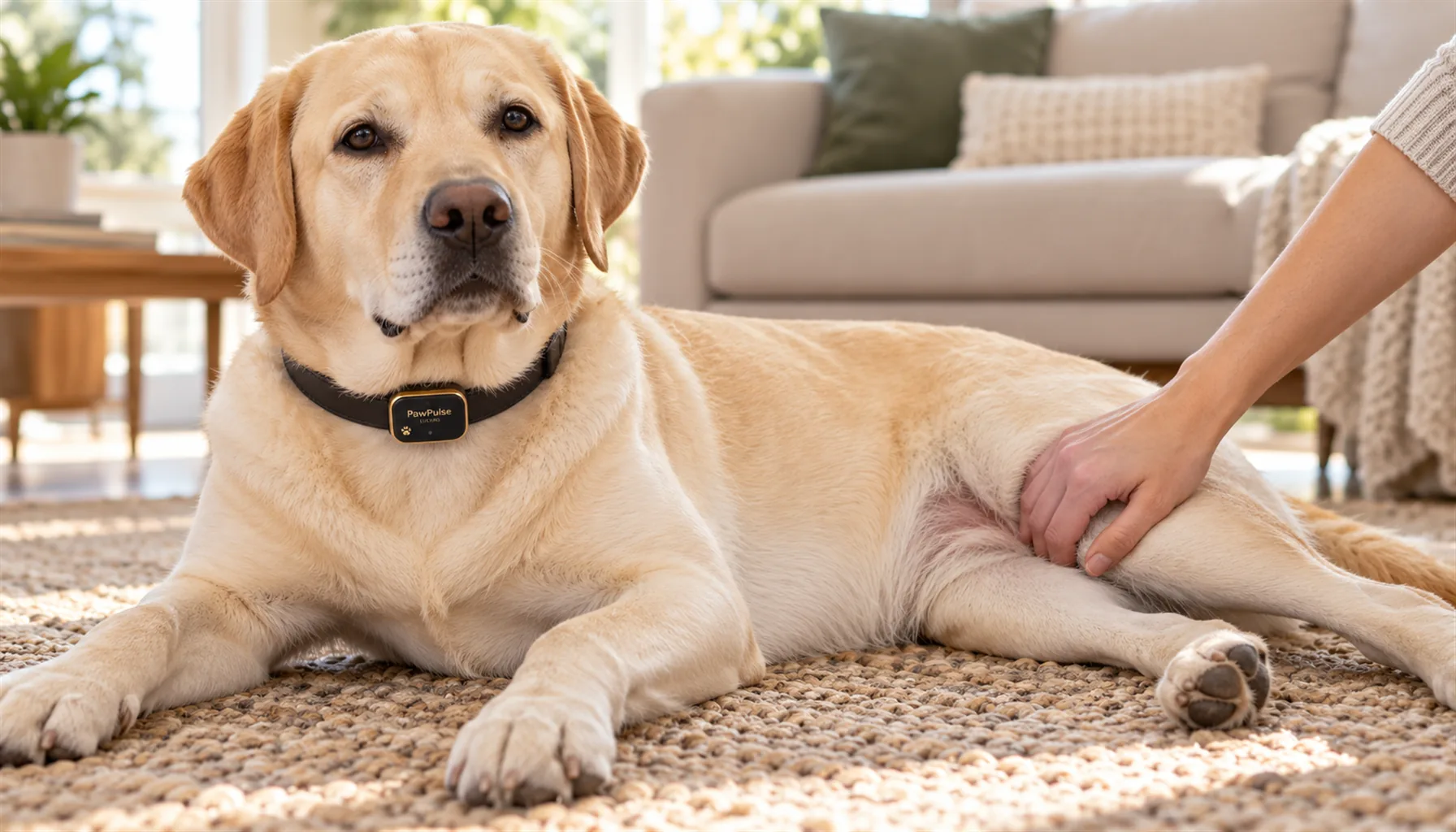
Arthritis onset: HRV gradually declines over 2-3 weeks. Activity drops slightly. Heart rate creeps up. Sleep increases. The dog isn't limping yet. Prism Insights flags the pattern. Owner brings the data to the vet, who can evaluate for early-stage arthritis as part of the visit.
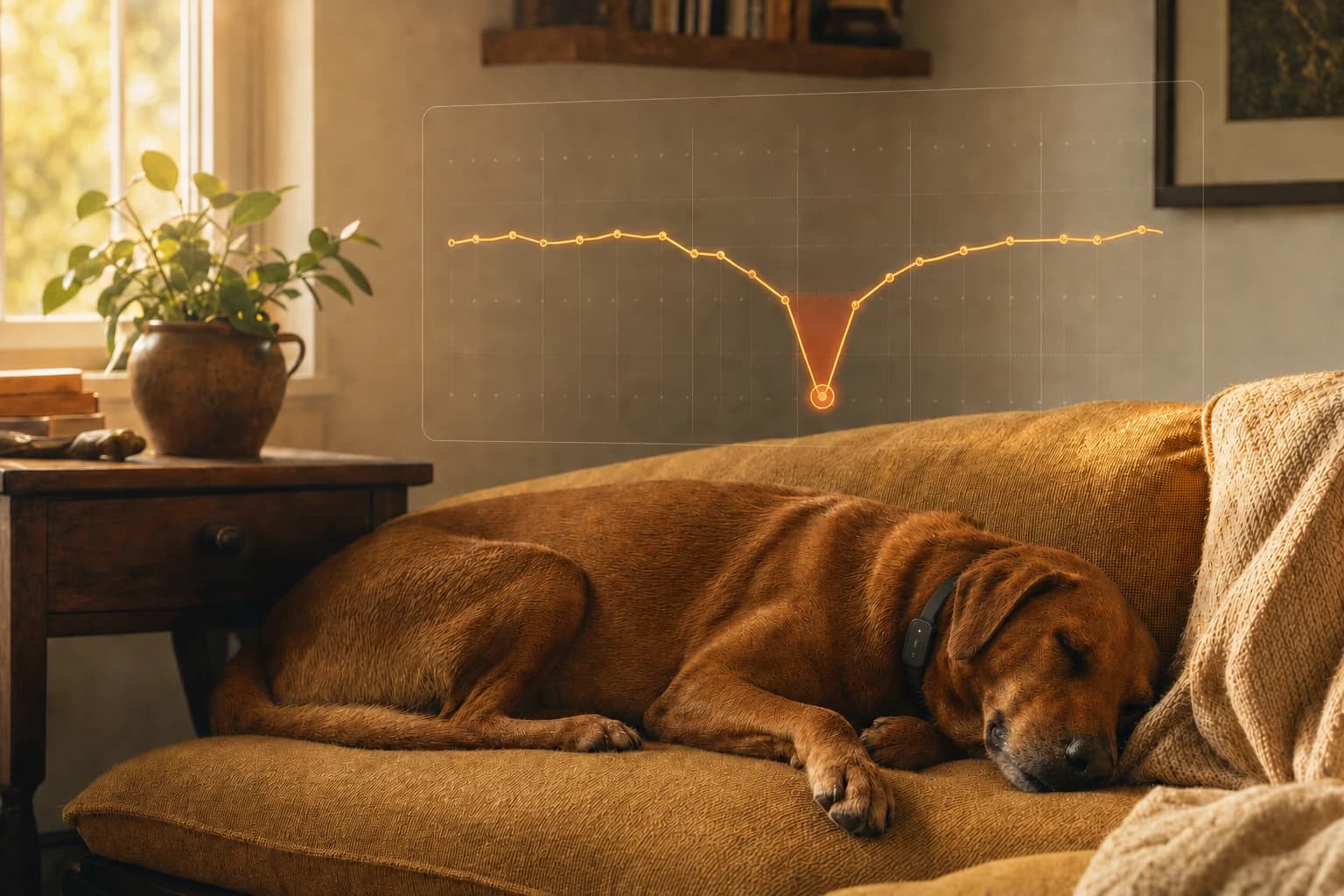
Post-surgery recovery: HRV drops sharply after surgery (expected). Over the next 7-10 days, it should climb back toward pre-surgical baseline. If it plateaus or declines again, that's a good reason to give your vet a call. The Vet Dashboard shows the recovery curve in real time.
Chronic stress: A dog experiencing chronic stress may show persistently suppressed HRV, not just during thunderstorms or separation events, but as a resting baseline pattern. This distinguishes a situational stressor from a sustained pattern that may benefit from Pulse Rhythm calming support or a conversation with your vet.
HRV for Cat Owners
Cats are even harder to assess than dogs. They're masters at masking pain, they're more stressed by vet visits, and they're less likely to show obvious behavioral changes until a condition is advanced. The AVMA reports that cat owners visit the vet less frequently than dog owners, with only 57.3% of cat-only households having visited a practice in the past year.
Continuous HRV monitoring is arguably more valuable for cats than dogs because the information gap between vet visits is wider, and the animal's instinct to hide symptoms is stronger. PawPulse's radar sensor works on cats of all breeds, and the HRV baseline adapts to feline cardiac norms automatically.
How to Read Your Dog's HRV Trend
You don't need a veterinary degree. PawPulse simplifies the data into three states:
Green (normal): HRV is within your pet's established baseline range. The autonomic nervous system is balanced. No action needed.
Amber (watch): HRV has shifted outside the normal range for 24-48 hours. Could be a temporary stressor (a visitor, a long car ride, a hot day). Could be the beginning of something. Monitor.
Red (alert): HRV has been below baseline for 3+ days with no recovery. Concurrent changes in heart rate, activity, or sleep may be present. Time to consult your vet, ideally with the data from the Vet Dashboard.
The system doesn't diagnose. It detects. Diagnosis is your vet's job. PawPulse gives them weeks of objective data to work with instead of a 15-minute snapshot.
Frequently Asked Questions
What is heart rate variability (HRV) in dogs?
HRV measures the tiny time differences between consecutive heartbeats. These variations reflect the balance between the sympathetic (stress) and parasympathetic (rest) nervous systems. High HRV indicates a healthy, adaptable nervous system. Low HRV indicates sustained physical or emotional stress and has been linked to pain, heart disease, infection, and anxiety in dogs.
Why is HRV more useful than heart rate alone?
Heart rate tells you how fast the heart is beating at one moment. HRV tells you how well the nervous system is regulating that heartbeat over time. A dog can have a normal heart rate while its HRV steadily declines - exactly the kind of quiet change that's easy to miss without a collar paying attention.
Does HRV relate to pain in dogs?
Published research has linked reduced HRV to chronic pain conditions in dogs, including osteoarthritis and hip dysplasia. Because dogs instinctively hide pain, these patterns can shift before owners notice behavioral signs like limping or reluctance to jump. PawPulse tracks HRV continuously and surfaces sustained deviations from your dog's personal baseline, so you have something concrete to bring to your vet.
How does PawPulse measure HRV on furry dogs and cats?
PawPulse uses a 60GHz millimeter-wave radar sensor that picks up the tiny chest movements of each heartbeat, so it can follow HRV trends with contactless sensing, no electrodes or shaving required. The radar works on every coat type on both dogs and cats.
What used to be required to measure HRV in dogs?
Previously, measuring canine HRV required a Holter monitor: a bulky, electrode-based recording device attached to the dog's chest for 24 hours. It cost $200-400 per session, required two vet visits (one to attach, one to remove), and produced only a single day of data. PawPulse replaces this with continuous, passive monitoring that runs every day the collar is worn.
Does HRV monitoring work for cats?
Yes. PawPulse's radar sensor collects HRV data from cats of all breeds, and the Prism Insights AI adapts its baseline calculations to feline cardiac norms. HRV monitoring may be even more valuable for cats than dogs because cats are more effective at hiding pain and illness, and their owners visit the vet less frequently.
What should I do if my dog's HRV drops?
A sustained HRV decline lasting more than 2-3 days warrants attention. Check for concurrent changes in activity, sleep, appetite, or behavior. If HRV remains low without an obvious cause (like a temporary stressor), consult your veterinarian and share the trend data from the PawPulse app or Vet Dashboard. The data helps your vet target their evaluation.
Learn more about PawPulse Lucero, the smart dog collar that continuously tracks HRV, heart rate, respiration, and 32+ other health signals on every coat type, giving you the weeks of baseline data Holter monitors and short vet visits cannot.
Related reading: why your dog's activity data can mislead you and why annual checkups are not enough.
-- The PawPulse Team